Importance of Sleep Hygiene in Preventive Care
Sleep hygiene refers to a set of practices and habits that are essential for getting quality sleep on a regular basis. These practices play a crucial role in preventive healthcare by promoting overall well-being and reducing the risk of various health issues.
The Significance of Sleep Hygiene
Poor sleep hygiene can have detrimental effects on our health and daily functioning. It can lead to issues such as fatigue, irritability, decreased cognitive function, and weakened immune system. By prioritizing good sleep hygiene, individuals can improve their physical, mental, and emotional health.
Preventing Chronic Diseases
Adequate sleep is closely linked to the prevention of chronic diseases such as heart disease, diabetes, and obesity. Lack of quality sleep can disrupt hormone levels, increase inflammation, and contribute to weight gain, all of which are risk factors for these conditions. By maintaining good sleep hygiene, individuals can reduce their susceptibility to these health issues.
Connection Between Sleep Hygiene and Mental Wellness
Sleep hygiene also plays a significant role in mental wellness. Poor sleep habits can exacerbate symptoms of anxiety, depression, and other mental health disorders. On the contrary, practicing good sleep hygiene by ensuring a consistent sleep schedule, creating a restful sleep environment, and limiting exposure to screens before bedtime can promote mental clarity, emotional stability, and overall psychological well-being.
Mental Wellness
Proper sleep hygiene is crucial for maintaining good mental health. Lack of quality sleep can have a significant impact on cognitive function, mood regulation, and stress management. Let’s explore how implementing good sleep habits can improve mental wellness.
Impact of Sleep on Cognitive Function
- Quality sleep is essential for cognitive processes such as memory consolidation, problem-solving, and decision-making.
- Chronic sleep deprivation can impair cognitive function, leading to difficulties in concentration and learning.
- Establishing a consistent sleep schedule and creating a relaxing bedtime routine can enhance cognitive performance.
Impact of Sleep on Mood Regulation
- Adequate sleep plays a crucial role in regulating emotions and maintaining a positive mood.
- Lack of sleep can contribute to irritability, mood swings, and heightened emotional reactivity.
- Practicing relaxation techniques before bedtime and ensuring a comfortable sleep environment can promote better mood regulation.
Impact of Sleep on Stress Management, Importance of sleep hygiene in preventive care
- Sleep helps in reducing stress levels and promoting overall well-being.
- Insufficient sleep can increase stress hormone levels and make it challenging to cope with daily stressors.
- Engaging in physical activity during the day and avoiding stimulants close to bedtime can aid in stress management through improved sleep quality.
Benefits of Sufficient Sleep versus Consequences of Sleep Deprivation
- Sufficient sleep enhances mental well-being by promoting cognitive function, mood stability, and stress resilience.
- Sleep deprivation, on the other hand, can lead to cognitive decline, mood disorders, and heightened stress levels.
- By prioritizing good sleep hygiene practices, individuals can enjoy the benefits of improved mental wellness and overall quality of life.
Physical Fitness
Quality sleep plays a crucial role in maintaining optimal physical fitness levels. The relationship between sleep and physical fitness is undeniable, as sleep directly impacts muscle recovery, athletic performance, endurance, and strength.
Optimizing Muscle Recovery and Athletic Performance
Importance of sleep hygiene in preventive care – One of the key benefits of quality sleep is improved muscle recovery. During deep sleep stages, the body repairs and rebuilds muscle tissues that have been stressed during physical activity. Adequate rest allows muscles to recover efficiently, leading to improved athletic performance.
Tips for Enhancing Physical Endurance and Strength
- Aim for 7-9 hours of quality sleep each night to support muscle growth and repair.
- Establish a consistent sleep schedule to regulate your body’s internal clock.
- Create a relaxing bedtime routine to signal to your body that it’s time to wind down.
- Avoid stimulants like caffeine and electronics before bedtime to promote better sleep quality.
Importance of a Well-Rested Body in Achieving Fitness Goals
A well-rested body is essential for achieving fitness goals as it allows for optimal performance during workouts and faster recovery post-exercise. Without adequate sleep, the body may experience decreased energy levels, reduced endurance, and impaired muscle recovery, hindering progress towards fitness objectives.
Healthy Eating
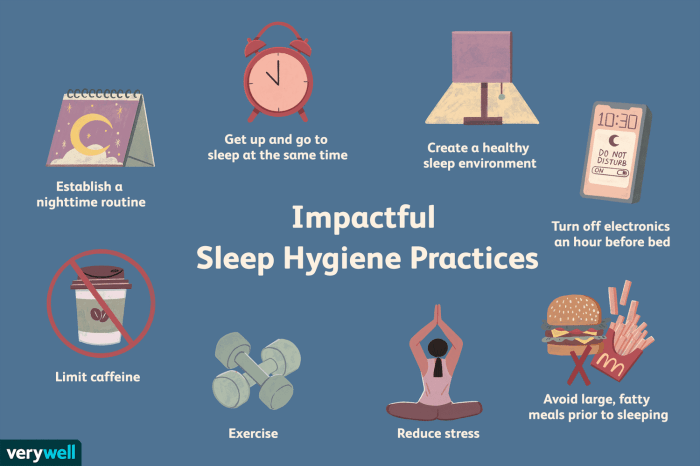
Ensuring proper sleep hygiene not only impacts mental wellness and physical fitness but also plays a crucial role in healthy eating habits. The link between sleep patterns and dietary choices is significant, affecting metabolism and overall well-being.
Impact on Dietary Choices and Metabolism
Quality and duration of sleep can influence food cravings and metabolism. Lack of sleep disrupts the balance of hormones that regulate hunger and satiety, leading to increased cravings for high-calorie and sugary foods. This can result in weight gain and other health issues.
- Increased intake of processed foods and sugar due to lack of sleep.
- Disruption of metabolism and decreased ability to process nutrients efficiently.
- Higher risk of developing conditions like obesity, diabetes, and heart disease.
Balanced Diet for Good Sleep Hygiene
A balanced diet that supports good sleep hygiene includes foods rich in nutrients that promote relaxation and quality sleep. Incorporating foods like whole grains, fruits, vegetables, lean proteins, and healthy fats can positively impact sleep patterns.
Examples of foods that aid in good sleep: almonds, kiwi, fatty fish like salmon, whole grains like oats, and leafy greens.
Impact on Weight Management and Overall Health
Inadequate sleep can disrupt the body’s ability to regulate appetite and metabolism, leading to weight gain and increased health risks. Consistent poor sleep patterns can contribute to obesity, insulin resistance, and other chronic conditions.
- Imbalance in hunger hormones, causing overeating and weight gain.
- Reduced energy levels and impaired physical performance due to lack of quality sleep.
- Compromised immune function and increased susceptibility to illnesses.
Preventive Care: Importance Of Sleep Hygiene In Preventive Care
Proper sleep hygiene plays a crucial role in preventive healthcare by significantly impacting overall well-being and reducing the risk of various health conditions. Adequate sleep is essential for maintaining a healthy immune system, which is key to preventing illnesses and diseases.
Role of Sleep in Boosting the Immune System
Sleep is the body’s natural way of restoring and repairing itself, including strengthening the immune system. During deep sleep, the immune system releases proteins called cytokines, which help combat infections and inflammation. A lack of quality sleep can impair the immune system’s ability to function optimally, making individuals more susceptible to illnesses.
- Quality sleep enhances the production of antibodies and immune cells, improving the body’s defense mechanisms.
- Chronic sleep deprivation can lead to increased inflammation and a weakened immune response, making individuals more prone to infections.
- Consistent, restorative sleep allows the immune system to better identify and target harmful pathogens, reducing the likelihood of falling ill.
Preventive Care Strategies Prioritizing Adequate Sleep
Incorporating good sleep habits into preventive care routines is essential for overall health and well-being. Some strategies to prioritize adequate sleep include:
- Establishing a consistent sleep schedule to regulate the body’s internal clock and promote better quality sleep.
- Creating a relaxing bedtime routine to signal the body that it’s time to wind down and prepare for sleep.
- Optimizing the sleep environment by keeping the bedroom dark, quiet, and at a comfortable temperature to promote uninterrupted rest.
Long-Term Benefits of Good Sleep Habits
The long-term benefits of incorporating good sleep habits into preventive care routines are extensive and impactful. Some of these benefits include:
“Improved cognitive function, mood regulation, and overall mental well-being.”
- Reduced risk of chronic conditions such as heart disease, diabetes, and obesity.
- Enhanced ability to manage stress and maintain emotional balance.
- Increased longevity and overall quality of life through better health outcomes and disease prevention.
Balanced Diet

Maintaining a balanced diet is crucial for overall health and well-being. The relationship between sleep hygiene and a balanced diet is significant, as quality sleep can impact metabolism, digestion, and nutrient absorption.
Impact of Sleep on Metabolism, Digestion, and Nutrient Absorption
Sleep plays a key role in regulating metabolism, digestion, and the absorption of nutrients in the body. When we don’t get enough sleep, our metabolism can be disrupted, leading to weight gain and other health issues. Poor sleep can also affect digestion, causing problems like indigestion and bloating. Additionally, inadequate sleep can impair the body’s ability to absorb essential nutrients from the food we eat.
Foods Promoting Good Sleep and Overall Health
- Warm milk: Contains tryptophan, which promotes relaxation and better sleep.
- Cherries: Natural source of melatonin, a hormone that regulates sleep-wake cycles.
- Whole grains: Provide complex carbohydrates that can help improve sleep quality.
- Fatty fish: Rich in omega-3 fatty acids, which may enhance sleep quality.
Importance of Meal Timing for Sleep Quality
Meal timing is crucial for maintaining good sleep hygiene. Eating heavy or spicy meals close to bedtime can disrupt sleep by causing indigestion or heartburn. It’s recommended to have dinner at least 2-3 hours before bedtime to allow for proper digestion. Additionally, having a light snack before bed can help stabilize blood sugar levels and promote better sleep.
Regular Exercise
Quality sleep plays a crucial role in optimizing exercise performance and enhancing recovery. When it comes to physical fitness, the relationship between sleep hygiene and regular exercise is undeniable. Let’s delve into how prioritizing sleep can benefit your workout routine.
Sleep Hygiene and Exercise Performance
Quality sleep is essential for optimal exercise performance. Lack of sleep can lead to decreased energy levels, reduced motivation, and poor focus during workouts. On the other hand, getting enough rest can enhance endurance, strength, and overall athletic performance.
Benefits of Quality Sleep on Muscle Repair and Growth
During sleep, the body undergoes crucial repair and recovery processes, including muscle growth. Quality sleep allows for proper muscle recovery, which is essential for muscle repair and growth. This means that getting enough rest can help you maximize the benefits of your workouts and improve muscle strength.
Tips for Incorporating Regular Exercise into a Healthy Sleep Routine
- Aim for a consistent sleep schedule to ensure you get enough rest for exercise.
- Avoid intense workouts close to bedtime to prevent disruptions in your sleep.
- Engage in relaxing activities before bed, such as stretching or meditation, to promote better sleep quality.
- Create a comfortable sleep environment that promotes restful sleep and aids in recovery after exercise.
Link Between Physical Activity, Sleep Quality, and Overall Well-being
Regular exercise has been shown to improve sleep quality, leading to better overall well-being. Physical activity helps regulate the body’s internal clock and can promote deeper, more restorative sleep. By incorporating exercise into your daily routine and prioritizing quality sleep, you can enhance your physical fitness, mental wellness, and overall health.
Mental Health
Sleep hygiene plays a crucial role in mental health, as the quality and quantity of sleep directly impact our emotional well-being and cognitive functions. Poor sleep habits can lead to various mental health conditions, such as anxiety, depression, and mood disorders.
Impact of Sleep Disorders on Mental Well-being
Sleep disorders, such as insomnia, sleep apnea, and restless leg syndrome, can significantly impact mental well-being by causing irritability, poor concentration, memory problems, and mood swings. Chronic sleep deprivation can exacerbate existing mental health conditions and increase the risk of developing new ones.
- Individuals suffering from sleep disorders are more prone to experiencing symptoms of anxiety and depression due to the disruption of the body’s natural sleep-wake cycle.
- Emotional stability is compromised when the brain does not have enough time to rest and recharge during the sleep cycle, leading to heightened stress levels and emotional reactivity.
- Long-term sleep disorders can contribute to the development of serious mental health issues, such as bipolar disorder and schizophrenia, by affecting neurotransmitter levels and brain function.
Strategies for Improving Mental Health through Better Sleep Habits
Improving sleep hygiene can positively impact mental health and emotional stability by promoting a restful and rejuvenating sleep experience. Adopting healthy sleep habits and creating a relaxing bedtime routine can help individuals manage stress, regulate emotions, and enhance overall mental well-being.
- Establish a consistent sleep schedule by going to bed and waking up at the same time every day, even on weekends.
- Create a sleep-conducive environment by keeping the bedroom dark, quiet, and cool to promote relaxation and deep sleep.
- Avoid stimulants, such as caffeine and electronic devices, close to bedtime to prevent disruptions in the sleep cycle and promote restful sleep.
- Practice relaxation techniques, such as deep breathing exercises or meditation, to calm the mind and prepare the body for sleep.
Importance of Seeking Professional Help for Sleep-related Mental Health Concerns
Seeking professional help for sleep-related mental health concerns is essential to receive a proper diagnosis, treatment, and support from healthcare professionals. Consulting with a doctor or mental health specialist can help individuals address underlying sleep disorders, manage symptoms effectively, and improve overall mental well-being.
Remember, prioritizing good sleep hygiene is not only beneficial for physical health but also plays a vital role in maintaining optimal mental wellness and emotional stability.
Holistic Wellness
Proper sleep hygiene plays a crucial role in achieving holistic well-being by impacting various aspects of our health. Let’s delve into how good sleep habits contribute to overall wellness.
Interconnectedness of Sleep, Mental Health, Physical Fitness, and Dietary Habits
Maintaining a healthy sleep routine is closely linked to mental wellness, physical fitness, and dietary habits. Lack of quality sleep can lead to mood disturbances, decreased cognitive function, reduced energy levels, and poor dietary choices. In contrast, getting enough rest can enhance mood, cognitive performance, physical endurance, and promote healthier eating habits.
- Quality sleep supports mental health by improving mood regulation and cognitive function.
- Proper rest contributes to physical fitness by aiding muscle recovery and overall performance.
- Good sleep habits are essential for maintaining a balanced diet as sleep deprivation often leads to cravings for unhealthy foods.
Remember, a good night’s sleep is not just about feeling well-rested; it’s about nurturing your mind and body for optimal functioning.
Holistic Wellness Practices Prioritizing Adequate Sleep
Incorporating holistic wellness practices that prioritize adequate sleep as a foundational element can significantly impact overall health and well-being. Some strategies include:
- Establishing a consistent sleep schedule and bedtime routine.
- Creating a sleep-conducive environment by keeping your bedroom dark, quiet, and cool.
- Avoiding stimulants like caffeine and electronics close to bedtime.
- Engaging in relaxation techniques such as meditation or deep breathing exercises before sleep.
Benefits of a Comprehensive Approach to Well-being
Taking a comprehensive approach to well-being that includes good sleep hygiene offers numerous benefits, such as:
- Improved cognitive function and productivity.
- Enhanced mood regulation and emotional well-being.
- Increased physical performance and endurance.
- Promotion of healthier eating habits and weight management.
- Reduced risk of chronic diseases like heart disease, diabetes, and obesity.
Chronic Diseases
Sleep hygiene plays a crucial role in preventing chronic diseases. Inadequate sleep patterns can significantly impact overall health and increase the risk of developing various chronic conditions.
Relationship between Chronic Diseases and Inadequate Sleep Hygiene
Poor sleep habits, such as irregular sleep schedules, insufficient sleep duration, and low sleep quality, can lead to disruptions in the body’s physiological processes. This can result in an increased vulnerability to chronic diseases like diabetes, cardiovascular issues, obesity, and compromised immune function.
How Poor Sleep Habits Contribute to Chronic Health Conditions
Lack of quality sleep can disrupt hormonal balance, metabolism, and immune responses, which are essential for maintaining overall health. Chronic sleep deprivation can also lead to inflammation, insulin resistance, and high blood pressure, contributing to the development of chronic conditions over time.
Preventive Measures through Optimizing Sleep Hygiene
Optimizing sleep hygiene involves establishing a consistent bedtime routine, creating a comfortable sleep environment, limiting exposure to screens before bed, and managing stress levels. By incorporating these practices, individuals can improve the quality and duration of their sleep, reducing the risk of chronic diseases.
Examples of Chronic Conditions Managed with Better Sleep Practices
Conditions like hypertension, type 2 diabetes, obesity, and depression can be managed more effectively with improved sleep habits. Adequate and restful sleep supports the body’s natural healing processes, enhances immune function, and promotes overall well-being, contributing to the prevention and management of chronic diseases.
Immunity Boosters
Sleep plays a crucial role in maintaining a strong and resilient immune system. Quality sleep is essential for the body to effectively fight off infections and diseases. Let’s explore how sleep hygiene can significantly impact our overall immunity.
Impact of Sleep on Immune System
Maintaining good sleep habits is vital for supporting the immune system’s ability to function optimally. During sleep, the body undergoes essential processes that help regulate immune function, including the production of cytokines, a type of protein that targets infection and inflammation. Adequate sleep ensures that our immune system is primed and ready to defend against pathogens.
- Quality sleep enhances the production of antibodies that help in combating viruses and bacteria.
- Chronic sleep deprivation can weaken the immune response, making individuals more susceptible to illnesses.
- Consistent sleep patterns promote the release of T-cells, which play a crucial role in identifying and destroying infected cells.
Immunity-Boosting Tips
To boost immunity and promote overall health, it is essential to prioritize good sleep hygiene practices. Here are some tips to help maintain a strong immune system:
- Establish a regular sleep schedule and aim for 7-9 hours of quality sleep each night.
- Create a relaxing bedtime routine to signal to your body that it’s time to wind down and prepare for rest.
- Avoid caffeine and electronic devices close to bedtime, as they can disrupt sleep patterns.
- Ensure your sleep environment is conducive to quality rest, with a comfortable mattress, pillows, and a cool, dark room.
Importance of Quality Sleep
Quality sleep is a cornerstone of a robust immune system. By prioritizing good sleep hygiene, individuals can enhance their body’s ability to fight off infections and maintain overall health. Adequate rest not only supports immune function but also contributes to mental wellness, physical fitness, and holistic well-being.
FAQ Insights
How does sleep hygiene impact preventive care?
Sleep hygiene plays a crucial role in preventive care by boosting the immune system, reducing the risk of chronic diseases, and enhancing overall well-being.
What are some strategies for improving sleep hygiene?
Some strategies include maintaining a consistent sleep schedule, creating a relaxing bedtime routine, and ensuring a comfortable sleep environment.
Can sleep hygiene affect mental wellness?
Yes, proper sleep hygiene contributes to better mental health by improving cognitive function, mood regulation, and stress management.


More Stories
Mental health support for chronic disease patients – Strategies and Insights
Immune-boosting recipes for the whole family: Healthy and Delicious Meals
Best practices for chronic disease prevention: Strategies for a healthier life