How to balance work and life through holistic wellness practices sets the stage for this enthralling narrative, offering readers a glimpse into a story that is rich in detail and brimming with originality from the outset.
In today’s fast-paced world, it’s easy to feel overwhelmed by the demands of work and life. Striking a healthy balance between these two aspects is crucial for overall well-being. Holistic wellness practices offer a comprehensive approach to achieving this equilibrium, focusing on the interconnectedness of physical, mental, emotional, and spiritual health.
By adopting these practices, we can cultivate a sense of harmony and fulfillment, leading to a more balanced and fulfilling life.
Understanding Holistic Wellness
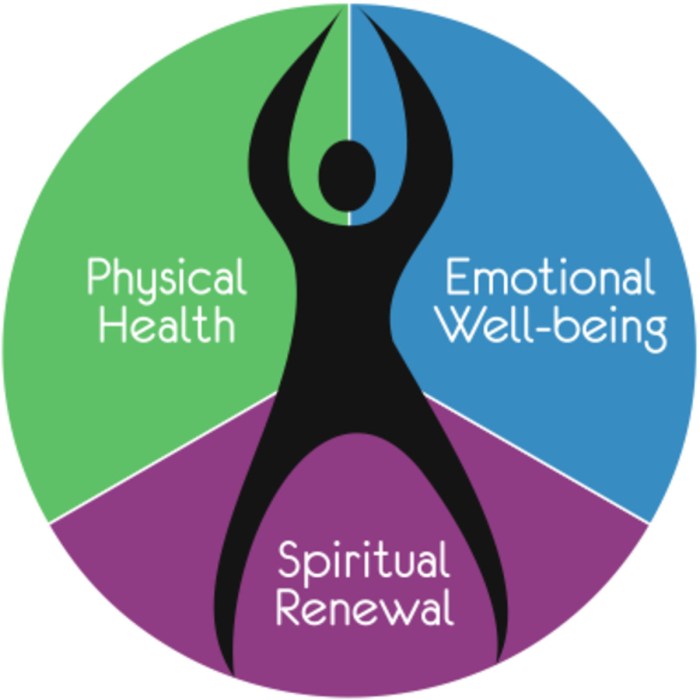
Holistic wellness is a comprehensive approach to well-being that recognizes the interconnectedness of our physical, mental, emotional, and spiritual aspects. It emphasizes the importance of addressing all these dimensions to achieve optimal health and well-being. This concept is particularly relevant to work-life balance because it acknowledges the impact of work on various aspects of our lives and vice versa.
The Interconnectedness of Wellness Dimensions
Holistic wellness recognizes that our physical, mental, emotional, and spiritual well-being are not isolated entities but rather interconnected aspects of a whole. Changes in one area can ripple through and affect the others. For instance, physical stress can manifest as mental fatigue, emotional irritability, and a decline in spiritual connection.
Similarly, emotional distress can lead to poor eating habits, affecting physical health.
Examples of How Neglecting One Aspect of Wellness Can Impact Others
- Physical Health:Neglecting physical health through lack of exercise or poor nutrition can lead to fatigue, decreased energy levels, and difficulty concentrating, impacting mental and emotional well-being.
- Mental Health:Chronic stress, anxiety, or depression can negatively affect sleep, appetite, and physical activity, leading to physical health issues.
- Emotional Health:Suppressing emotions or avoiding difficult conversations can lead to emotional burnout, affecting mental clarity and physical well-being.
- Spiritual Health:Lack of connection to a sense of purpose or meaning in life can lead to feelings of emptiness, dissatisfaction, and a lack of motivation, impacting other aspects of well-being.
Physical Fitness and Healthy Eating: How To Balance Work And Life Through Holistic Wellness Practices
Physical fitness and healthy eating are crucial components of holistic wellness. They are not just about aesthetics but play a vital role in managing stress, boosting energy levels, and supporting overall well-being.
The Importance of Regular Exercise for Stress Management and Energy Levels
Regular exercise is a powerful tool for stress management and energy enhancement. When you exercise, your body releases endorphins, which have mood-boosting effects and can help reduce stress levels. Physical activity also improves sleep quality, which is essential for managing stress and maintaining energy.
Incorporating Physical Activity into a Busy Schedule
Finding time for exercise can be challenging, especially with a demanding work schedule. Here are some tips for incorporating physical activity into your routine:
- Set realistic goals: Start with small, achievable goals and gradually increase the intensity and duration of your workouts. Don’t try to do too much too soon, as this can lead to burnout.
- Schedule workouts in your calendar: Treat exercise appointments like any other important commitment. Block out time in your schedule for workouts and stick to it.
- Find activities you enjoy: If you don’t enjoy your workouts, you’re less likely to stick with them. Choose activities that you find fun and engaging.
- Make it a habit: Consistency is key. Aim to exercise most days of the week, even if it’s just for a short period.
The Role of a Balanced Diet in Supporting Physical and Mental Health
A balanced diet provides your body with the nutrients it needs to function properly. It helps maintain a healthy weight, reduces the risk of chronic diseases, and supports mental health.
Healthy Meal Planning Strategies for Busy Professionals
Planning ahead is essential for healthy eating, especially for busy professionals. Here are some strategies to consider:
- Prepare meals in advance: Batch cooking on the weekend can save you time during the week. Prepare large portions of healthy meals that you can freeze and reheat later.
- Pack your lunch: Bringing your lunch to work can help you control the ingredients and portion sizes. Choose nutrient-rich options like salads, sandwiches on whole-wheat bread, or leftovers from your home-cooked meals.
- Keep healthy snacks on hand: This can help prevent unhealthy cravings and overeating. Choose snacks that are high in protein, fiber, and healthy fats, such as nuts, seeds, fruits, and vegetables.
Mental Health and Stress Management

Stress is an inevitable part of modern life, especially when juggling the demands of work and personal life. It can manifest in various ways, impacting our physical and mental well-being. Recognizing and managing stress effectively is crucial for maintaining a balanced and fulfilling life.
Understanding Stressors
Work-related stressors can include demanding deadlines, heavy workloads, difficult colleagues, and lack of control over work tasks. Life stressors can include financial concerns, relationship issues, family responsibilities, and major life changes. These stressors can accumulate, leading to feelings of overwhelm, anxiety, and burnout.
Effective Stress Management Techniques
- Mindfulness: Mindfulness involves paying attention to the present moment without judgment. It helps cultivate awareness of thoughts, feelings, and bodily sensations, allowing you to observe and accept them without getting caught up in them. This practice can reduce stress by helping you detach from overwhelming thoughts and cultivate a sense of calm.
- Meditation: Meditation is a practice that involves focusing on a single point of attention, such as breath, mantra, or visualization. It helps quiet the mind, reducing anxiety and promoting relaxation. Regular meditation can enhance emotional regulation, improve focus, and promote overall well-being.
- Deep Breathing Exercises: Deep breathing exercises, such as diaphragmatic breathing, can help regulate the nervous system and reduce stress. By taking slow, deep breaths, you can lower heart rate, reduce muscle tension, and promote relaxation. This technique can be practiced throughout the day, especially during stressful situations.
Prioritizing Sleep and Relaxation
Adequate sleep is essential for both physical and mental health. When sleep-deprived, we become more susceptible to stress, experience difficulty concentrating, and are more likely to make poor decisions. Prioritizing relaxation is equally important. Engaging in activities that promote relaxation, such as reading, listening to music, taking a warm bath, or spending time in nature, can help reduce stress levels and improve overall well-being.
Stress-Reducing Activities, How to balance work and life through holistic wellness practices
Incorporating stress-reducing activities into your daily routine can significantly improve your mental health. Here are some examples:
- Exercise: Regular physical activity releases endorphins, which have mood-boosting effects. Even moderate exercise can help reduce stress, improve sleep, and boost energy levels.
- Spending Time in Nature: Being in nature has been shown to have a calming effect on the mind and body. Taking walks in a park, gardening, or simply sitting under a tree can help reduce stress and promote relaxation.
- Connecting with Loved Ones: Social support is essential for managing stress. Spending time with friends and family, sharing your concerns, and receiving support can help you cope with difficult times.
- Engaging in Hobbies: Pursuing hobbies you enjoy can provide a sense of purpose, reduce stress, and boost your mood. Whether it’s painting, playing music, or reading, dedicating time to activities you love can be incredibly therapeutic.
Preventive Care and Immunity Boosters
Preventive care and immunity boosting are crucial components of holistic wellness. They involve proactive measures to safeguard your health, reduce the risk of diseases, and enhance your body’s natural defense mechanisms. By prioritizing these practices, you can contribute to a healthier and more fulfilling life.
Regular Medical Checkups and Preventative Screenings
Regular medical checkups and preventative screenings play a vital role in early disease detection and intervention. They allow healthcare professionals to identify potential health issues before they become serious, enabling timely treatment and improved outcomes.
- Routine Physical Examinations:These comprehensive assessments involve a review of your medical history, physical examination, and laboratory tests. They help monitor your overall health, identify any potential health concerns, and provide personalized advice for maintaining optimal well-being.
- Cancer Screenings:Regular screenings for various cancers, such as breast cancer, cervical cancer, colorectal cancer, and prostate cancer, can significantly increase the chances of early detection and successful treatment. Early diagnosis often leads to better treatment options and higher survival rates.
- Cardiovascular Screenings:Screenings for cardiovascular diseases, including cholesterol levels, blood pressure, and electrocardiograms, can help identify risk factors and enable early intervention to prevent heart attacks, strokes, and other cardiovascular complications.
Maintaining a Strong Immune System
A robust immune system is essential for protecting your body from infections and diseases. Maintaining a healthy lifestyle is crucial for supporting your immune function.
- Balanced Diet:Consuming a balanced diet rich in fruits, vegetables, whole grains, lean proteins, and healthy fats provides your body with the necessary nutrients to support immune function. These foods contain vitamins, minerals, and antioxidants that strengthen your immune system.
- Adequate Sleep:Sleep is essential for immune system regulation. During sleep, your body produces cytokines, proteins that help fight infections. Aim for 7-9 hours of quality sleep each night to support your immune function.
- Regular Exercise:Moderate-intensity exercise, such as brisk walking, cycling, or swimming, can boost your immune system by improving blood circulation and reducing stress. However, excessive exercise can suppress immune function, so it’s essential to find a balance.
- Stress Management:Chronic stress can weaken your immune system. Engage in stress-reducing activities like yoga, meditation, deep breathing exercises, or spending time in nature to manage stress levels and support immune function.
Role of Vaccinations and Other Preventive Measures
Vaccinations are a highly effective way to prevent serious infectious diseases. They introduce weakened or inactive forms of pathogens into the body, triggering an immune response and providing long-lasting protection against the disease.
- Vaccines for Common Diseases:Vaccines for diseases such as measles, mumps, rubella, tetanus, diphtheria, pertussis, polio, and influenza are readily available and highly effective in preventing these diseases. Vaccination significantly reduces the risk of infection and complications, contributing to public health and herd immunity.
- Other Preventive Measures:In addition to vaccinations, other preventive measures include practicing good hygiene, such as frequent handwashing, covering your mouth and nose when coughing or sneezing, and avoiding close contact with sick individuals. Maintaining a clean environment and ensuring proper food handling practices are also crucial in preventing the spread of infections.
Natural Immunity Boosters
Certain foods and supplements can naturally boost your immune system.
- Vitamin C-Rich Foods:Fruits and vegetables rich in vitamin C, such as oranges, lemons, grapefruits, strawberries, and broccoli, are known for their immune-boosting properties. Vitamin C is an antioxidant that helps protect cells from damage and supports immune function.
- Zinc:Zinc is an essential mineral that plays a crucial role in immune function. Foods rich in zinc include oysters, red meat, poultry, beans, and nuts. Zinc supplements may also be beneficial for boosting immunity.
- Elderberry:Elderberry is a popular natural remedy for colds and flu. It contains antioxidants and antiviral properties that may help reduce the duration and severity of these infections.
- Echinacea:Echinacea is a herb that has been traditionally used to boost immunity. Studies suggest that echinacea may help shorten the duration of colds and reduce the severity of symptoms.
Setting Boundaries and Time Management
In the pursuit of holistic wellness, achieving a harmonious balance between work and personal life is paramount. Setting clear boundaries and implementing effective time management strategies are crucial for preventing burnout and fostering a sense of well-being.
Strategies for Setting Boundaries
Setting boundaries involves defining clear limits between work and personal time. This helps create a healthy separation, allowing you to fully engage in both aspects of your life without feeling overwhelmed.
- Establish a Dedicated Workspace:Create a designated workspace that is separate from your living areas. This helps to signal to your mind and body that you are transitioning into work mode.
- Set Clear Work Hours:Define specific work hours and stick to them as much as possible. This helps to establish a consistent routine and prevent work from encroaching on your personal time.
- Communicate Your Boundaries:Let colleagues, clients, and family members know about your work hours and expectations. This helps to ensure that you are not interrupted during your personal time.
- Learn to Say “No”:It’s essential to politely decline requests that would compromise your boundaries or personal time. Saying “no” is not a sign of weakness but rather a sign of self-respect and prioritizing your well-being.
Effective Time Management Techniques
Time management involves prioritizing tasks, allocating time effectively, and staying organized to maximize productivity.
- Prioritize Tasks:Use a system like the Eisenhower Matrix, which categorizes tasks based on urgency and importance, to prioritize your workload. Focus on completing the most important tasks first.
- Time Blocking:Allocate specific time slots for different tasks or activities. This helps to create structure and prevent distractions.
- Use Time Management Tools:Utilize calendars, to-do lists, and task management apps to keep track of deadlines, appointments, and projects. These tools can help you stay organized and on track.
- Delegate When Possible:If you have tasks that can be delegated, consider assigning them to others. This frees up your time and allows you to focus on your core responsibilities.
- Seek Support:Don’t be afraid to ask for help when you’re feeling overwhelmed. Collaborate with colleagues, family members, or friends to share the workload or provide emotional support.
Cultivating Mindfulness and Gratitude
In the pursuit of a balanced life, cultivating mindfulness and gratitude emerges as a powerful force for well-being. These practices, often intertwined, act as anchors in the midst of life’s storms, helping us navigate challenges with greater clarity and resilience.
Mindfulness: A Pathway to Presence
Mindfulness, the practice of paying attention to the present moment without judgment, is a cornerstone of holistic wellness. It involves cultivating awareness of our thoughts, feelings, and bodily sensations without getting caught up in them. By consciously observing our experiences, we gain a greater understanding of ourselves and our reactions to the world around us.
Techniques for Cultivating Mindfulness
- Meditation: A central practice in mindfulness, meditation involves focusing on a single point of reference, such as breath or a mantra, to quiet the mind and cultivate awareness. Regular meditation practice can reduce stress, improve focus, and enhance emotional regulation.
- Mindful Breathing: A simple yet effective technique, mindful breathing involves paying attention to the natural rhythm of our breath. By focusing on the sensations of inhalation and exhalation, we anchor ourselves in the present moment and release tension.
- Mindful Walking: Integrating mindfulness into everyday activities like walking can be transformative. By paying attention to the sensations of our feet on the ground, the movement of our body, and the sights and sounds around us, we cultivate a sense of presence and appreciation for the present moment.
- Mindful Eating: Bringing mindfulness to our meals involves paying attention to the taste, texture, and aroma of our food. By slowing down and savoring each bite, we enhance our enjoyment of food and cultivate a more mindful relationship with eating.
Gratitude: A Lens of Appreciation
Gratitude, the appreciation for the good things in our lives, plays a vital role in our mental and emotional well-being. It shifts our focus from what we lack to what we have, fostering a sense of contentment and positivity. By expressing gratitude, we cultivate a more optimistic outlook and strengthen our resilience in the face of challenges.
Practices for Cultivating Gratitude
- Gratitude Journaling: Regularly writing down things we are grateful for can rewire our brains to focus on the positive. It allows us to reflect on our blessings and cultivate a sense of appreciation for the simple joys in life.
- Expressing Appreciation: Taking the time to express our gratitude to others, whether through words, gestures, or acts of kindness, strengthens our relationships and fosters a sense of connection. It also reminds us of the positive impact we have on others.
- Focusing on Positive Experiences: By consciously recalling positive memories and experiences, we cultivate a more optimistic mindset and strengthen our ability to navigate challenges with resilience. It reminds us that even in difficult times, there are moments of joy and beauty to be found.
Building a Supportive Network
Having a strong social support system is crucial for holistic wellness. It provides a sense of belonging, emotional support, and practical assistance during challenging times. Strong social connections can help reduce stress, improve mental health, and promote overall well-being.
Nurturing Relationships
Building and nurturing relationships with friends, family, and colleagues is essential for a supportive network.
- Make time for meaningful connections:Schedule regular time for social activities, even if it’s just a quick phone call or coffee date.
- Practice active listening:Show genuine interest in others by listening attentively and asking thoughtful questions.
- Offer support and encouragement:Be there for your loved ones when they need you, offering a listening ear, a helping hand, or simply a kind word.
- Be reliable and trustworthy:Follow through on commitments and be someone others can depend on.
Seeking Professional Support
Sometimes, it’s beneficial to seek professional support from mentors, therapists, or support groups.
- Mentors:Mentors can provide guidance, advice, and encouragement, especially during career transitions or personal growth phases.
- Therapists:Therapists offer a safe and confidential space to process emotions, develop coping mechanisms, and address mental health concerns.
- Support groups:Support groups provide a sense of community and connection with others who share similar experiences, offering peer support and shared understanding.
Connecting with Others
There are numerous ways to connect with others and build a supportive network.
- Join clubs or groups:Explore local clubs or groups based on your interests, such as book clubs, sports teams, or community organizations.
- Volunteer:Volunteering provides a sense of purpose and connects you with others who share your values.
- Attend social events:Go to local events, concerts, or workshops to meet new people and expand your social circle.
- Utilize online platforms:Connect with others through social media groups, online forums, or virtual communities based on shared interests.
Integrating Holistic Wellness Practices into Daily Life
Incorporating holistic wellness practices into your daily routine can be a transformative journey, leading to a more balanced and fulfilling life. By integrating these practices, you create a foundation for a healthier, happier, and more resilient you.
Creating a Personalized Wellness Plan
Creating a personalized wellness plan is crucial for integrating holistic practices into your daily life. This plan should encompass all aspects of your well-being, including physical, mental, emotional, and spiritual dimensions. It should be tailored to your individual needs and preferences, making it more likely to be sustainable.
- Identify Your Goals:Begin by defining your wellness goals. What aspects of your life do you want to improve? Do you want to manage stress more effectively, improve your sleep quality, or enhance your relationships? Clearly defined goals provide direction and motivation.
- Prioritize Your Needs:Recognize that everyone’s needs are different. Some may prioritize physical activity, while others may focus on mindfulness or social connection. Determine your top priorities and allocate time and energy accordingly.
- Start Small and Build Gradually:Avoid overwhelming yourself with too many changes at once. Begin with one or two practices and gradually incorporate others as you become more comfortable. This gradual approach increases the likelihood of long-term success.
- Be Flexible and Adaptable:Life is dynamic, and your wellness needs may change over time. Be open to adjusting your plan as necessary to accommodate new priorities or challenges.
Incorporating Practices into Daily Routines
Integrating holistic wellness practices into your daily routines requires intentionality and commitment. Here are some strategies to make these practices a natural part of your life:
- Morning Rituals:Start your day with practices that promote well-being. This could include meditation, gentle stretching, journaling, or a healthy breakfast.
- Mindful Breaks Throughout the Day:Schedule short breaks during your workday to engage in mindful activities like deep breathing exercises, walking in nature, or listening to calming music.
- Evening Wind-Down Routine:Establish a relaxing evening routine that helps you unwind and prepare for sleep. This could involve reading, taking a warm bath, or spending time with loved ones.
- Prioritize Sleep:Aim for 7-8 hours of quality sleep each night. Sleep is essential for physical and mental restoration and plays a vital role in overall well-being.
The Importance of Consistency and Self-Care
Consistency is key to reaping the benefits of holistic wellness practices. Regularly engaging in these practices, even for short periods, helps create positive habits and cultivate a sense of well-being.
- Make It a Habit:Schedule time for your wellness practices and treat them with the same importance as other commitments. This creates a sense of routine and helps you stay on track.
- Celebrate Small Wins:Acknowledge and celebrate your progress, no matter how small. This reinforces positive behavior and motivates you to continue.
- Be Kind to Yourself:Don’t be discouraged by setbacks or occasional lapses in your routine. Everyone has off days. Focus on getting back on track and practicing self-compassion.
Overcoming Challenges and Maintaining Motivation
Maintaining motivation and overcoming challenges is an integral part of the holistic wellness journey. Here are some strategies to stay on track:
- Find a Support System:Connect with others who share your interest in holistic wellness. Sharing experiences and challenges can provide motivation and accountability.
- Track Your Progress:Keep a journal or use a wellness app to track your progress. Seeing how far you’ve come can inspire you to keep going.
- Experiment and Find What Works:Not every practice will resonate with everyone. Be willing to try different things and discover what best supports your well-being.
- Be Patient and Persistent:Holistic wellness is a journey, not a destination. Be patient with yourself and remember that progress takes time.
Final Review
Embracing holistic wellness practices is not a one-size-fits-all approach. It requires a personalized journey of self-discovery, experimentation, and continuous adaptation. By prioritizing our well-being and incorporating these practices into our daily lives, we can unlock a more balanced and fulfilling existence.
Remember, it’s not about achieving perfection, but about making conscious choices that nourish our mind, body, and spirit, allowing us to thrive in both our professional and personal lives.
FAQ Resource
What are some examples of holistic wellness practices?
Holistic wellness practices encompass a wide range of activities, including regular exercise, healthy eating, mindfulness meditation, yoga, spending time in nature, connecting with loved ones, and pursuing hobbies that bring joy.
How can I incorporate holistic wellness practices into my busy schedule?
Start small by incorporating simple practices into your daily routine. For example, take a 10-minute walk during your lunch break, practice deep breathing exercises while commuting, or meditate for 5 minutes before bed.
What if I don’t have time for all of these practices?
Prioritize the practices that resonate most with you and fit your lifestyle. Even small steps can make a significant difference in your overall well-being.


More Stories