Best regular exercise routines for weight loss at home can be a transformative journey towards a healthier lifestyle. Achieving sustainable weight loss requires a holistic approach that encompasses regular exercise, a balanced diet, and mindful habits. This comprehensive guide will delve into the most effective exercise routines that can be conveniently performed within the comfort of your own home, empowering you to take control of your fitness journey and achieve your weight loss goals.
From dynamic warm-ups to invigorating cardio and strength training exercises, this guide provides a structured approach to create a personalized workout plan that fits your individual needs and preferences. With expert insights and actionable tips, you’ll learn how to optimize your home workouts for maximum effectiveness, ensuring that you stay motivated and achieve lasting results.
Introduction
Embarking on a weight loss journey requires a comprehensive approach that encompasses both diet and exercise. While a healthy diet plays a crucial role, regular exercise is equally important in shedding pounds and achieving your fitness goals. Engaging in physical activity not only helps burn calories but also boosts your metabolism, improves cardiovascular health, and strengthens your muscles.
The good news is that you don’t need a fancy gym membership or expensive equipment to reap the benefits of exercise. You can effectively achieve your weight loss objectives from the comfort of your own home.
Benefits of Exercising at Home
Exercising at home offers numerous advantages that make it a convenient and effective option for many individuals. Here are some key benefits:
- Convenience:Home workouts eliminate the need to commute to a gym, saving you time and effort. You can exercise whenever it suits your schedule, without being bound by gym hours.
- Privacy:Working out at home provides a private and comfortable environment where you can focus on your fitness goals without feeling self-conscious.
- Cost-Effectiveness:Home workouts can be significantly cheaper than gym memberships, especially if you already have some basic equipment. You can invest in a few affordable items like dumbbells, resistance bands, and a yoga mat to create a well-rounded workout routine.
- Flexibility:Home workouts allow you to tailor your routine to your specific needs and preferences. You can choose from a wide variety of exercises and modify them based on your fitness level and goals.
Key Elements of a Successful Home Workout Routine
Creating a successful home workout routine requires careful planning and consistency. Here are some essential elements to consider:
- Set Realistic Goals:Start with achievable goals that you can gradually build upon. Don’t try to do too much too soon, as this can lead to burnout and injury. It’s recommended to aim for at least 150 minutes of moderate-intensity aerobic activity or 75 minutes of vigorous-intensity aerobic activity per week, along with muscle-strengthening activities at least twice a week.
- Find a Workout Routine You Enjoy:Choose exercises that you find enjoyable and motivating. If you don’t enjoy the routine, you’re less likely to stick with it. Experiment with different types of exercises, such as cardio, strength training, yoga, or Pilates, to find what suits you best.
- Make it a Habit:Consistency is key to achieving your weight loss goals. Schedule regular workout times and stick to them as much as possible. Treat your workouts like important appointments and make them a non-negotiable part of your daily routine.
- Warm Up and Cool Down:Always warm up before starting your workout to prepare your body for exercise. A warm-up can include light cardio, dynamic stretches, and some bodyweight exercises. After your workout, cool down with static stretches to help your muscles recover and prevent soreness.
- Stay Hydrated:Drink plenty of water before, during, and after your workout. Dehydration can lead to fatigue, muscle cramps, and decreased performance.
Warm-up
A proper warm-up is essential before any exercise routine, especially when aiming for weight loss. It prepares your body for the workout, increases your heart rate, and improves your range of motion, helping you perform exercises more effectively and safely.
Importance of a Warm-up
A warm-up helps prevent injuries by gradually increasing your body temperature and blood flow to your muscles. It also enhances flexibility and reduces muscle stiffness, making your workouts more comfortable and productive.
Sample Warm-up Routine
Here’s a sample 5-10 minute warm-up routine you can follow before your workout:
- Cardio:Start with light cardio, such as brisk walking, jogging in place, or jumping jacks (2-3 minutes). This gets your heart rate up and warms your muscles.
- Dynamic Stretching:Dynamic stretches involve controlled movements that take your joints through their full range of motion. This helps improve flexibility and prepares your muscles for the workout. Some examples include:
- Arm circles:Slowly circle your arms forward and backward, keeping your shoulders relaxed.
- Leg swings:Swing your legs forward and backward, keeping your core engaged.
- High knees:Bring your knees up towards your chest as you jog in place.
- Butt kicks:Bring your heels up towards your glutes as you jog in place.
- Side lunges:Step to the side with one leg, bending your knee and keeping your other leg straight. Repeat on the other side.
- Torso twists:Stand with your feet shoulder-width apart and rotate your torso from side to side, keeping your core engaged.
Cardio
Cardiovascular exercise, or cardio, is essential for weight loss. It helps burn calories, improve heart health, and increase your overall fitness level. Cardio is any activity that raises your heart rate and makes you breathe harder.
Cardio Exercises at Home
Cardio exercises can be done at home with minimal equipment. Here are a few examples:
- Jumping Jacks: A classic cardio exercise that works your whole body. Stand with your feet together and your arms at your sides. Jump up, spreading your legs out to the sides and raising your arms overhead. Land softly and repeat.
- Beginner: Start with 10-15 jumping jacks and gradually increase the number as you get stronger.
- Intermediate: Aim for 3 sets of 20-30 jumping jacks.
- Advanced: Try doing jumping jacks for 1-2 minutes at a time.
- Burpees: A challenging exercise that combines a squat, push-up, and jump. Start standing with your feet shoulder-width apart. Squat down and place your hands on the floor in front of you. Kick your feet back into a plank position. Do a push-up.
Then, jump your feet back to your hands and stand up, jumping as high as you can.
- Beginner: Start with 5-10 burpees and gradually increase the number as you get stronger.
- Intermediate: Aim for 3 sets of 10-15 burpees.
- Advanced: Try doing burpees for 1-2 minutes at a time.
- High Knees: A great exercise for improving your cardiovascular fitness and leg strength. Stand with your feet shoulder-width apart. Bring your knees up towards your chest, alternating legs.
- Beginner: Start with 10-15 high knees and gradually increase the number as you get stronger.
- Intermediate: Aim for 3 sets of 20-30 high knees.
- Advanced: Try doing high knees for 1-2 minutes at a time.
- Mountain Climbers: A dynamic exercise that works your core, legs, and arms. Start in a plank position. Bring one knee towards your chest, then quickly switch legs. Continue alternating legs in a running motion.
- Beginner: Start with 10-15 mountain climbers and gradually increase the number as you get stronger.
- Intermediate: Aim for 3 sets of 20-30 mountain climbers.
- Advanced: Try doing mountain climbers for 1-2 minutes at a time.
Healthy Eating
Adopting a healthy eating pattern is crucial for weight loss and overall well-being. It involves making informed choices about the types and quantities of food you consume.
Healthy Food Choices
A balanced diet should include a variety of nutrient-rich foods from all food groups. Here are some examples of healthy food choices:
- Fruits and vegetables:Apples, bananas, berries, broccoli, carrots, spinach
- Lean protein:Chicken, fish, beans, lentils, tofu
- Whole grains:Brown rice, quinoa, oats, whole-wheat bread
- Healthy fats:Avocado, nuts, seeds, olive oil
- Dairy:Milk, yogurt, cheese (low-fat or fat-free)
Portion Control and Mindful Eating
Portion control is essential for managing calorie intake and preventing overeating. Mindful eating involves paying attention to your hunger and fullness cues, savoring each bite, and avoiding distractions while eating.
- Use smaller plates and bowls.
- Read food labels and be aware of serving sizes.
- Eat slowly and chew your food thoroughly.
- Avoid eating in front of the TV or computer.
- Listen to your body’s hunger and fullness signals.
Preventive Care
Preventive care is crucial for maintaining good health and preventing chronic diseases. It involves regular checkups, screenings, and healthy lifestyle choices. By taking proactive steps, you can significantly reduce your risk of developing serious health conditions.
Importance of Regular Checkups and Screenings
Regular checkups and screenings are essential for early detection and prevention of diseases. They allow healthcare professionals to monitor your overall health, identify potential problems, and intervene early to prevent complications.
- Routine Physical Exams:Annual physical exams help assess your overall health, including blood pressure, cholesterol levels, and body mass index (BMI). They also provide an opportunity to discuss any concerns you may have and receive personalized advice.
- Cancer Screenings:Regular cancer screenings, such as mammograms, colonoscopies, and Pap tests, can detect early signs of cancer, when it is most treatable. Early detection significantly improves the chances of survival.
- Immunizations:Vaccines protect against preventable diseases, such as influenza, measles, and tetanus. Staying up-to-date with recommended immunizations is crucial for maintaining good health.
How Preventive Care Can Help Prevent Chronic Diseases
Preventive care plays a vital role in preventing chronic diseases, such as heart disease, stroke, diabetes, and cancer. By addressing risk factors early, you can significantly reduce your chances of developing these conditions.
- Healthy Lifestyle Choices:Regular exercise, a balanced diet, and avoiding smoking and excessive alcohol consumption can significantly reduce your risk of developing chronic diseases.
- Early Detection and Treatment:Regular checkups and screenings allow healthcare professionals to identify potential health problems early, when they are often easier to treat. Early intervention can prevent complications and improve long-term health outcomes.
- Management of Existing Conditions:For individuals with existing health conditions, preventive care can help manage symptoms, prevent complications, and improve overall quality of life.
Consult a Healthcare Professional
It is important to consult with a healthcare professional to determine the appropriate preventive care plan for you. They can assess your individual risk factors, recommend specific screenings and checkups, and provide personalized advice on maintaining good health.
Balanced Diet
A balanced diet is crucial for weight loss and overall health. It involves consuming a variety of nutrient-rich foods in appropriate proportions to meet your body’s needs.
Key Components of a Balanced Diet
A balanced diet consists of essential nutrients, including:
- Carbohydrates:Provide energy for daily activities. Choose complex carbohydrates like whole grains, fruits, and vegetables over refined carbohydrates found in processed foods.
- Proteins:Build and repair tissues, essential for muscle growth. Include lean protein sources like chicken, fish, beans, and tofu.
- Fats:Provide energy and support hormone production. Choose healthy fats like those found in avocados, nuts, and olive oil over unhealthy saturated and trans fats.
- Vitamins and Minerals:Support various bodily functions and overall health. Obtain these nutrients through a diverse range of fruits, vegetables, and whole grains.
- Fiber:Promotes digestive health and helps with weight management. Include fiber-rich foods like whole grains, legumes, and fruits.
- Water:Essential for hydration and many bodily processes. Aim to drink at least 8 glasses of water daily.
Importance of Variety
Consuming a variety of nutrient-rich foods ensures that your body receives all the essential vitamins, minerals, and antioxidants it needs to function optimally. This reduces the risk of nutrient deficiencies and promotes overall well-being.
Balanced Meal Plan Examples
Here are examples of balanced meals that incorporate the key components discussed above: Breakfast:
- Oatmeal with berries and nuts
- Greek yogurt with fruit and granola
- Whole-wheat toast with avocado and egg
Lunch:
- Salad with grilled chicken or fish, vegetables, and a light vinaigrette
- Lentil soup with whole-wheat bread
- Tuna sandwich on whole-wheat bread with lettuce and tomato
Dinner:
- Baked salmon with roasted vegetables
- Chicken stir-fry with brown rice
- Vegetarian chili with cornbread
Snacks:
- Fruits (apple, banana, orange)
- Vegetables (carrots, celery, cucumber)
- Nuts and seeds (almonds, walnuts, pumpkin seeds)
- Plain yogurt
Remember to adjust portion sizes based on your individual needs and activity level. Consulting a registered dietitian or nutritionist can help you create a personalized meal plan that meets your specific goals.
Regular Exercise
Regular exercise is a crucial component of a healthy lifestyle, particularly for weight loss. It not only helps you burn calories but also improves your overall well-being.
Types of Exercise and Their Impact on Weight Loss
Regular exercise plays a significant role in weight loss by increasing your calorie expenditure. There are various types of exercise, each with its unique benefits for weight management.
Cardiovascular Exercise
Cardiovascular exercise, also known as aerobic exercise, is essential for weight loss. It elevates your heart rate and improves your cardiovascular health. Examples include:
- Running
- Swimming
- Cycling
- Jumping rope
- Dancing
Strength Training
Strength training helps build muscle mass, which increases your metabolism and helps you burn more calories even at rest. It also improves bone density and reduces the risk of injuries. Examples include:
- Weightlifting
- Bodyweight exercises
- Resistance band exercises
High-Intensity Interval Training (HIIT)
HIIT involves short bursts of intense exercise followed by brief recovery periods. This type of exercise is highly effective for burning calories and improving cardiovascular fitness.
Yoga
Yoga combines physical postures, breathing techniques, and meditation. It improves flexibility, strength, and balance while reducing stress and promoting relaxation.
Incorporating Exercise into Your Daily Routine
Making exercise a regular habit can be challenging, but it’s essential for long-term weight management. Here are some tips:
- Start small:Begin with short exercise sessions and gradually increase the duration and intensity.
- Find an activity you enjoy:Choose activities that you find enjoyable and motivating. This will make it more likely that you’ll stick with it.
- Set realistic goals:Don’t try to do too much too soon. Start with small, achievable goals and gradually work your way up.
- Make it a habit:Schedule time for exercise in your daily routine, just like any other important appointment.
- Find a workout buddy:Having a workout partner can provide support and motivation.
Mental Health
Your mental health is a crucial component of your overall well-being and can significantly impact your weight loss journey. A healthy mind can help you stay motivated, make healthier choices, and manage stress effectively.
The Relationship Between Mental Health and Weight Loss
A strong connection exists between mental health and weight loss. When you’re feeling stressed, anxious, or depressed, you may be more likely to turn to unhealthy coping mechanisms like overeating or emotional eating. These behaviors can lead to weight gain and make it harder to reach your weight loss goals.
Conversely, losing weight can boost your self-esteem and improve your mood, creating a positive feedback loop.
Stress and Its Impact on Weight and Eating Habits
Stress triggers the release of hormones like cortisol, which can increase appetite and lead to cravings for sugary and fatty foods. It can also disrupt sleep patterns, leading to fatigue and making it harder to exercise. This can create a vicious cycle where stress leads to unhealthy eating habits, which in turn increases stress levels.
Managing Stress and Improving Mental Well-being
Here are some tips for managing stress and improving your mental well-being to support your weight loss goals:
- Practice Mindfulness:Engage in mindfulness techniques like meditation or deep breathing exercises to calm your mind and reduce stress.
- Get Enough Sleep:Aim for 7-8 hours of quality sleep each night to help regulate your hormones and improve your mood.
- Exercise Regularly:Physical activity releases endorphins, which have mood-boosting effects. Even a short walk or a yoga session can make a difference.
- Connect with Others:Spend time with loved ones, join a support group, or volunteer to build social connections and reduce feelings of isolation.
- Seek Professional Help:If you’re struggling with stress, anxiety, or depression, don’t hesitate to reach out to a therapist or counselor for support.
Holistic Wellness
Holistic wellness is a comprehensive approach to health that considers the interconnectedness of all aspects of your being: physical, mental, emotional, social, and spiritual. It recognizes that these dimensions are not isolated but rather influence and support each other, contributing to overall well-being.
Key Components of Holistic Wellness
Holistic wellness emphasizes the importance of integrating various aspects of life to achieve optimal health. This approach recognizes that physical health is not the only factor in overall well-being.
- Physical Wellness: This aspect focuses on maintaining a healthy body through regular exercise, a balanced diet, sufficient sleep, and preventive healthcare. It involves engaging in activities that promote physical fitness and prevent disease.
- Mental Wellness: This dimension encompasses cognitive health, emotional well-being, and mental clarity. It involves engaging in activities that promote mental health, such as mindfulness, meditation, and cognitive stimulation.
- Emotional Wellness: This aspect involves understanding and managing emotions effectively. It encompasses self-awareness, emotional regulation, and the ability to build and maintain healthy relationships.
- Social Wellness: This dimension emphasizes the importance of strong social connections and meaningful relationships. It involves building a supportive network of friends, family, and community members.
- Spiritual Wellness: This aspect focuses on finding meaning and purpose in life. It involves exploring personal values, beliefs, and spirituality, and connecting with something greater than oneself.
How Different Aspects of Life Contribute to Overall Well-being
Each aspect of holistic wellness contributes to overall well-being, and they are interconnected in complex ways. For instance, regular exercise can improve physical health, but it can also boost mood, reduce stress, and enhance cognitive function, contributing to mental and emotional well-being.
Similarly, strong social connections can provide support during challenging times, reducing stress and promoting emotional resilience.
- Physical Wellness: A healthy body provides the foundation for overall well-being. Regular exercise, a balanced diet, and adequate sleep support physical health, leading to increased energy levels, improved mood, and a stronger immune system.
- Mental Wellness: Mental health plays a crucial role in how we cope with life’s challenges. A positive mindset, emotional resilience, and cognitive clarity allow us to navigate stress effectively and make sound decisions.
- Emotional Wellness: Emotional well-being is essential for building healthy relationships and maintaining a positive outlook on life. The ability to understand and manage emotions effectively allows us to navigate interpersonal conflicts and maintain a sense of peace.
- Social Wellness: Strong social connections provide support, encouragement, and a sense of belonging. They offer a buffer against stress, promote emotional well-being, and enhance our overall quality of life.
- Spiritual Wellness: Finding meaning and purpose in life can provide a sense of direction and motivation. It can also foster a sense of gratitude, peace, and connection to something larger than oneself.
Chronic Diseases
Chronic diseases are long-term health conditions that require ongoing management. They are a major public health concern, contributing significantly to global mortality and morbidity. Lifestyle factors play a crucial role in the development of many chronic diseases.
Lifestyle Factors and Chronic Diseases
Lifestyle factors, including diet, physical activity, smoking, and alcohol consumption, have a significant impact on the risk of developing chronic diseases. These factors can influence the development of conditions such as:
- Heart disease
- Stroke
- Type 2 diabetes
- Cancer
- Obesity
- Osteoporosis
- Chronic obstructive pulmonary disease (COPD)
Preventing Chronic Diseases
Regular exercise and a healthy diet are essential for preventing chronic diseases.
Regular Exercise
Regular exercise helps to:
- Maintain a healthy weight
- Lower blood pressure
- Improve cholesterol levels
- Reduce the risk of type 2 diabetes
- Boost the immune system
- Reduce stress and improve mental health
Healthy Diet
A healthy diet rich in fruits, vegetables, whole grains, and lean protein helps to:
- Control blood sugar levels
- Lower cholesterol levels
- Reduce the risk of heart disease, stroke, and type 2 diabetes
- Maintain a healthy weight
Prioritizing Preventive Measures
Prioritizing preventive measures is crucial for long-term health. This includes:
- Adopting a healthy lifestyle that includes regular exercise and a balanced diet
- Getting regular medical checkups
- Managing stress
- Quitting smoking
- Limiting alcohol consumption
“Prevention is always better than cure.”
By making healthy choices and prioritizing preventive measures, individuals can significantly reduce their risk of developing chronic diseases and improve their overall well-being.
Immunity Boosters
A robust immune system is essential for overall health and well-being. It acts as the body’s defense mechanism, protecting us from infections and diseases. Regular exercise and a balanced diet play a crucial role in strengthening the immune system, making it more effective in fighting off invaders.
The Role of Exercise in Boosting Immunity
Exercise is a powerful tool for enhancing immune function. It stimulates the production of white blood cells, which are the body’s primary defense against pathogens. Regular physical activity also improves circulation, allowing immune cells to move efficiently throughout the body.
This helps to identify and destroy harmful invaders more effectively.
The Role of Nutrition in Boosting Immunity, Best regular exercise routines for weight loss at home
Nutrition plays a vital role in supporting a healthy immune system. Consuming a balanced diet rich in essential nutrients provides the building blocks for immune cells and strengthens their ability to function optimally.
Foods That Support Immune Function
- Fruits and vegetables:They are rich in antioxidants, vitamins, and minerals that support immune function. Examples include oranges, grapefruits, blueberries, spinach, broccoli, and kale.
- Whole grains:They provide fiber, which promotes a healthy gut microbiome, a key component of the immune system.
- Lean protein:It is essential for building and repairing tissues, including immune cells.
- Healthy fats:They provide energy and support cell function. Examples include avocados, nuts, and fatty fish.
- Probiotics:These beneficial bacteria found in fermented foods like yogurt and kefir support a healthy gut microbiome, which plays a crucial role in immune function.
Activities That Support Immune Function
- Moderate-intensity exercise:Activities like brisk walking, jogging, swimming, and cycling can boost immune function without overexerting the body.
- Strength training:Building muscle mass can help improve immune function by increasing the production of white blood cells.
- Yoga and meditation:These practices can reduce stress levels, which can weaken the immune system.
- Adequate sleep:Getting enough sleep is essential for immune function. Aim for 7-9 hours of sleep per night.
Adopting Healthy Habits to Strengthen Your Immune System
By incorporating these healthy habits into your daily routine, you can significantly enhance your immune system and improve your overall health.
Last Point
By incorporating these best regular exercise routines for weight loss at home into your daily life, you can embark on a transformative journey towards a healthier and more fulfilling lifestyle. Remember to listen to your body, stay consistent, and celebrate your progress along the way.
With dedication and the right approach, you can achieve your weight loss goals and reap the numerous benefits of a physically active life.
User Queries: Best Regular Exercise Routines For Weight Loss At Home
How often should I exercise to lose weight?
Aim for at least 150 minutes of moderate-intensity aerobic activity or 75 minutes of vigorous-intensity aerobic activity per week, spread across at least 3 days.
What are some beginner-friendly exercises for weight loss at home?
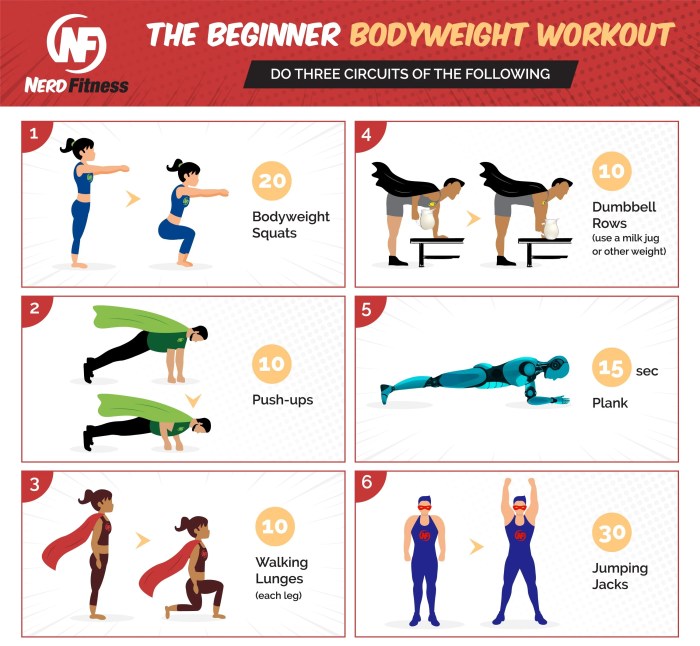
Start with bodyweight exercises like squats, lunges, push-ups (modified if needed), and planks. You can also incorporate walking, jogging in place, or jumping jacks.
How do I stay motivated to exercise regularly?
Set realistic goals, find an exercise buddy, track your progress, reward yourself for milestones, and listen to music or podcasts you enjoy while working out.
Can I lose weight without exercise?
While exercise is highly beneficial for weight loss, it’s possible to lose weight through diet alone. However, combining exercise with a healthy diet is the most effective and sustainable approach for long-term weight management.


More Stories