Introduction to Essential Oils for Holistic Wellness
How to use essential oils for holistic wellness – Essential oils are highly concentrated plant extracts that capture the natural aroma and therapeutic properties of plants. These oils have been used for centuries for their various health benefits and are a key component of holistic wellness practices.
Benefits of Essential Oils
- Improved Mood: Essential oils like lavender and bergamot can help reduce stress, anxiety, and promote relaxation.
- Boosted Immunity: Oils such as tea tree and eucalyptus have antimicrobial properties that can support the immune system.
- Enhanced Sleep: Oils like chamomile and cedarwood can aid in promoting restful sleep and combating insomnia.
- Natural Pain Relief: Peppermint and rosemary oils are known for their analgesic properties and can help alleviate pain and inflammation.
Popular Essential Oils and Health Benefits
| Essential Oil | Health Benefits |
|---|---|
| Lavender | Calming, promotes relaxation, and aids in sleep |
| Peppermint | Relieves headaches, muscle aches, and improves digestion |
| Tea Tree | Antibacterial, antifungal, and supports skin health |
| Lemon | Uplifting, detoxifying, and boosts energy |
Mental Wellness and Essential Oils
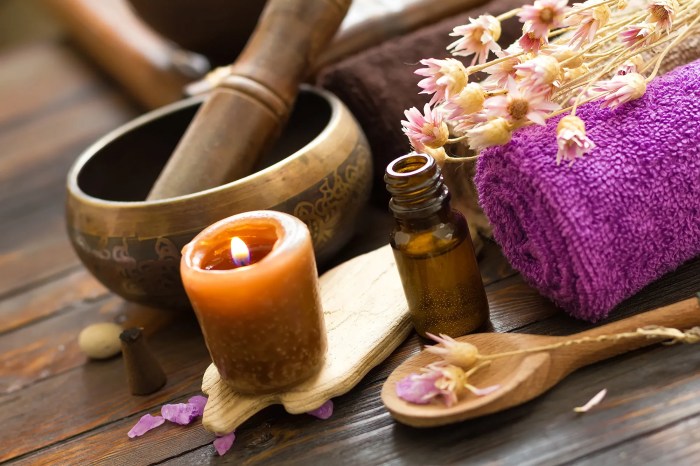
Using essential oils for mental wellness can have a profound impact on promoting overall well-being and reducing stress. These natural oils are known for their calming or uplifting effects on mood, making them a valuable tool for maintaining mental health.
Calming Essential Oils
- Lavender: Known for its soothing properties, lavender essential oil can help reduce anxiety and promote relaxation.
- Chamomile: Chamomile essential oil is often used to alleviate stress and promote a sense of calm.
- Bergamot: With its citrusy scent, bergamot essential oil can help uplift the mood and reduce feelings of tension.
Uplifting Essential Oils
- Peppermint: Peppermint essential oil is invigorating and can help boost energy levels and improve focus.
- Lemon: The fresh scent of lemon essential oil can help uplift the mood and promote feelings of positivity.
- Ylang Ylang: Known for its sweet and floral aroma, ylang ylang essential oil can help reduce feelings of stress and anxiety.
Methods of Using Essential Oils for Mental Health
- Diffusing: Adding a few drops of essential oil to a diffuser can fill the room with the aroma, providing a continuous source of mood-boosting benefits.
- Topical Application: Diluting essential oils with a carrier oil and applying them to pulse points or the bottoms of feet can help the oils absorb into the skin for a more immediate effect.
- Inhalation: Inhaling essential oils directly from the bottle or by adding a few drops to a tissue can provide quick relief from stress or anxiety.
Physical Fitness and Essential Oils
Essential oils can play a significant role in supporting physical fitness and aiding in workout recovery. These natural oils are known for their various properties that can help with muscle relaxation, pain relief, and boosting energy levels.
Essential Oils for Muscle Relaxation
- Lavender oil: Known for its calming and relaxing properties, lavender oil can help ease muscle tension and promote relaxation after a strenuous workout.
- Peppermint oil: With its cooling sensation, peppermint oil can provide a soothing effect on sore muscles, making it a great option for post-workout massages.
Essential Oils for Pain Relief
- Eucalyptus oil: Eucalyptus oil is commonly used to alleviate muscle and joint pain, making it a beneficial choice for addressing workout-related discomfort.
- Chamomile oil: Chamomile oil has anti-inflammatory properties that can help reduce pain and swelling, ideal for soothing tired muscles.
Essential Oils for Boosting Energy Levels
- Citrus oils (such as lemon or orange): Citrus oils are known for their invigorating and uplifting aroma, which can help increase focus and energy levels before a workout.
- Rosemary oil: Rosemary oil is believed to enhance mental clarity and concentration, making it a suitable choice for boosting energy during exercise.
Incorporating Essential Oils into Pre-Workout or Post-Workout Routines
- Pre-workout: Dilute a few drops of essential oil with a carrier oil and apply it to pulse points or diffuse it to help set the mood and boost energy levels before exercising.
- Post-workout: Mix essential oils with a carrier oil for a soothing massage to relax muscles and promote recovery. You can also add a few drops to a warm bath to unwind and alleviate muscle tension.
Healthy Eating and Essential Oils
Essential oils can be a great addition to your healthy eating routine, as they can enhance the flavor of your meals and beverages while providing additional health benefits. By incorporating essential oils into your cooking and baking, you can boost digestion, curb cravings, and promote metabolism naturally.
Enhancing Flavor and Health Benefits
- Peppermint oil: Add a drop of peppermint oil to your water or smoothies to aid digestion and freshen your breath.
- Lemon oil: Use lemon oil in salad dressings or marinades for a burst of citrus flavor and to support detoxification.
- Ginger oil: Incorporate ginger oil into stir-fries or teas to soothe digestive issues and reduce inflammation.
Using Essential Oils in Cooking and Baking
- Instead of using fresh herbs, add a drop of essential oil to your recipes for a concentrated flavor boost.
- Remember that essential oils are potent, so start with a small amount and adjust to taste.
- Choose high-quality, food-grade essential oils specifically labeled for culinary use.
Making Refreshing Drinks
- Infuse your water with a drop of citrus essential oil like grapefruit or lime for a refreshing twist.
- Create your own flavored sparkling water by adding a drop of essential oil to carbonated water.
- Experiment with different combinations of essential oils to find your favorite flavor profiles.
Preventive Care with Essential Oils
Essential oils can play a vital role in preventive care by supporting the immune system and helping to ward off illnesses before they occur. These natural oils have properties that can help fight off viruses, bacteria, and inflammation, making them valuable tools in maintaining overall health.
Antiviral Essential Oils
- Tea Tree oil: Known for its antiviral properties, tea tree oil can help boost the immune system and fight off infections.
- Lemon oil: Lemon oil is a powerful antiviral agent that can help prevent colds and flu viruses from taking hold.
Antibacterial Essential Oils
- Lavender oil: Lavender has antibacterial properties that can help prevent bacterial infections and promote healing.
- Peppermint oil: Peppermint oil can act as a natural antibiotic, inhibiting the growth of harmful bacteria.
Anti-Inflammatory Essential Oils, How to use essential oils for holistic wellness
- Frankincense oil: Frankincense is known for its anti-inflammatory properties, which can help reduce inflammation in the body and prevent chronic diseases.
- Chamomile oil: Chamomile oil has anti-inflammatory effects that can help soothe skin conditions and promote overall wellness.
By incorporating these essential oils into your daily routine through methods like diffusing, topical application, or inhalation, you can proactively support your health and prevent common ailments. Remember to always use high-quality, pure essential oils and consult with a holistic health practitioner for personalized recommendations.
Balanced Diet and Essential Oils: How To Use Essential Oils For Holistic Wellness

Essential oils can play a significant role in complementing a balanced diet for overall wellness. When used in conjunction with nutritious food choices, essential oils can enhance the body’s ability to absorb nutrients, support digestion, and promote overall health.
Appetite Control and Essential Oils
Essential oils like peppermint and grapefruit are known for their ability to help with appetite control. These oils can be diffused or inhaled to reduce cravings and promote a feeling of fullness, which can support weight management goals.
Cravings Management with Essential Oils
-
Lemon essential oil
can be beneficial in curbing sugar cravings and promoting detoxification.
-
Lavender essential oil
may help reduce stress-related cravings and promote relaxation.
-
Cinnamon essential oil
can support blood sugar balance and reduce cravings for sweet foods.
Nutrient Absorption and Essential Oils
Certain essential oils, such as ginger and black pepper, can aid in nutrient absorption by supporting digestive function. When incorporated into a healthy diet, these oils can help the body extract and utilize essential vitamins and minerals more efficiently.
Importance of Combining Essential Oils with a Nutritious Diet
It is essential to combine essential oils with a balanced and nutrient-dense diet to maximize their health benefits. A diet rich in whole foods, fruits, vegetables, lean proteins, and healthy fats, paired with the right essential oils, can promote overall wellness, boost immune function, and support the body’s natural healing processes.
Regular Exercise and Essential Oils
Regular exercise is a crucial component of a healthy lifestyle, and the use of essential oils can enhance your workout experience by supporting performance, endurance, and recovery. By incorporating specific essential oils, you can benefit from improved respiratory function, circulation, and muscle relaxation, ultimately helping you achieve your fitness goals more effectively.
Enhancing Exercise Performance
- Peppermint oil: Known for its invigorating scent, peppermint oil can help boost energy levels and mental focus before a workout.
- Lavender oil: With its calming properties, lavender oil can promote relaxation and reduce stress, aiding in better concentration during exercise.
- Eucalyptus oil: Ideal for supporting respiratory function, eucalyptus oil can help open up airways and improve breathing during physical activity.
Improving Endurance and Recovery
- Lemongrass oil: Lemongrass oil is often used to alleviate muscle pain and reduce inflammation, aiding in faster recovery post-exercise.
- Ginger oil: Known for its warming properties, ginger oil can help improve circulation and reduce muscle soreness, promoting quicker recovery time.
Incorporating Essential Oils into Workout Routines
- Pre-workout warm-up: Add a few drops of essential oil to a carrier oil and massage onto muscles to promote circulation and relaxation before exercising.
- Post-workout cooldown: Create a soothing blend of essential oils in a roller bottle to apply to areas of tension or soreness after a workout, aiding in muscle recovery.
Mental Health Support with Essential Oils
Essential oils have shown promising potential in supporting mental health by helping to manage conditions such as anxiety, depression, and stress.
Calming Essential Oils
Calming essential oils can help reduce feelings of anxiety and promote relaxation. Some examples of calming essential oils include:
- Lavender: Known for its soothing and calming properties, lavender oil can help reduce stress and improve sleep quality.
- Chamomile: Chamomile essential oil is often used to promote relaxation and ease feelings of tension.
- Bergamot: With its citrusy scent, bergamot oil can help uplift mood and reduce stress and anxiety.
Grounding Essential Oils
Grounding essential oils can help bring a sense of stability and balance, especially during times of emotional turmoil. Examples of grounding essential oils include:
- Vetiver: Vetiver essential oil is known for its earthy and grounding aroma, which can help calm the mind and promote relaxation.
- Patchouli: Patchouli oil is often used to center the mind and body, making it a great choice for promoting emotional balance.
- Sandalwood: Sandalwood essential oil has a woody and grounding scent that can help reduce feelings of anxiety and stress.
Mood-Balancing Essential Oils
Essential oils with mood-balancing properties can help regulate emotions and promote a sense of well-being. Some examples of mood-balancing essential oils include:
- Ylang Ylang: Ylang ylang oil is known for its floral and uplifting scent, which can help improve mood and reduce feelings of sadness.
- Frankincense: Frankincense essential oil has a calming and grounding effect, making it beneficial for managing stress and promoting emotional balance.
- Rose: Rose oil is often used to ease feelings of anxiety and promote emotional healing and self-love.
Creating a calming environment using these essential oils through methods like diffusing, inhalation, or topical application can help support mental well-being and provide a natural approach to managing mental health conditions.
Holistic Wellness Approach with Essential Oils
Essential oils can play a crucial role in a holistic wellness routine that encompasses the mind, body, and spirit. By incorporating these natural extracts into your daily life, you can promote overall well-being and balance.
Interconnectedness of Physical, Mental, and Emotional Health
Physical, mental, and emotional health are deeply interconnected in holistic wellness practices. When one aspect is out of balance, it can affect the others, leading to overall disharmony. Essential oils can help address these imbalances and promote harmony within the body.
- Essential oils like lavender can help calm the mind and reduce stress, promoting mental well-being.
- Peppermint essential oil can boost energy levels and aid in physical wellness by relieving muscle tension.
- Citrus oils like lemon or orange can uplift the spirit and improve emotional health by promoting positivity and optimism.
Creating a Holistic Wellness Plan with Essential Oils
When creating a holistic wellness plan that includes essential oils, it’s essential to consider your specific needs and goals for overall well-being. Here are some tips to help you get started:
- Identify areas of your life where you want to improve, whether it’s reducing stress, boosting energy, or enhancing mental clarity.
- Research different essential oils and their benefits to determine which ones align with your wellness goals.
- Incorporate essential oils into your daily routine through methods like diffusing, topical application, or inhalation.
- Create a holistic wellness routine that combines essential oils with other practices like mindfulness, exercise, and healthy eating for a comprehensive approach to well-being.
Managing Chronic Diseases with Essential Oils
When it comes to chronic diseases, managing symptoms and improving quality of life is crucial. Essential oils can play a significant role in providing relief and support for individuals dealing with conditions like arthritis, migraines, or autoimmune disorders.
Role of Essential Oils in Chronic Disease Management
Essential oils are known for their natural healing properties and therapeutic benefits. When used properly, they can help alleviate pain, reduce inflammation, and promote relaxation, contributing to an overall sense of well-being for those suffering from chronic diseases.
- Essential oils like lavender, peppermint, and eucalyptus have been shown to help manage pain and inflammation associated with conditions like arthritis.
- For migraines, oils such as peppermint, rosemary, and chamomile may offer relief from headaches and promote relaxation.
- When it comes to autoimmune disorders, oils like frankincense, turmeric, and ginger can help support the immune system and reduce inflammation.
Consulting Healthcare Professionals
It’s essential to consult healthcare professionals, such as doctors or aromatherapists, before incorporating essential oils into your chronic disease management plan. They can provide guidance on proper usage, potential interactions with medications, and ensure that essential oils complement your existing treatment regimen.
Immunity Boosters and Essential Oils
Essential oils are known for their immune-boosting properties and can be a valuable addition to your holistic wellness routine. These oils can help strengthen the immune system and promote overall health, making them a popular choice for preventive care.
Specific Essential Oils for Immunity
- Lemon: Known for its antibacterial and antiviral properties, lemon essential oil can help fight off infections and boost immunity.
- Tea Tree: With its powerful antimicrobial properties, tea tree oil can support the immune system and help prevent illnesses.
- Lavender: Not just calming, lavender oil also has immune-boosting properties that can help the body defend against pathogens.
Recipes for Immune Support
Creating blends with essential oils can provide a potent immune-boosting effect. Here is a simple recipe to support your immune system:
Mix 3 drops of lemon essential oil, 2 drops of tea tree oil, and 2 drops of lavender oil in a diffuser for a refreshing and immune-boosting blend.
Best Practices for Immune Support
- Diffuse essential oils: Using a diffuser can help spread the immune-boosting benefits of essential oils throughout the air, supporting overall wellness.
- Topical application: Diluting essential oils with a carrier oil and applying them to the skin can help boost immunity and provide additional benefits.
- Inhalation: Inhaling essential oils directly or through steam inhalation can help strengthen the respiratory system and support immune function.
Popular Questions
Can essential oils be ingested for holistic wellness?
It is not recommended to ingest essential oils as they are highly concentrated and can be harmful if consumed orally. They are best used aromatically or topically.
Are essential oils safe for children and pets?
Some essential oils can be harmful to children and pets. It’s important to research and consult with a healthcare professional or a veterinarian before using essential oils around them.
Can essential oils replace traditional medicine?
Essential oils can complement traditional medicine but should not be used as a substitute without consulting a healthcare provider.
How long do the effects of essential oils last?
The effects of essential oils can vary depending on the individual and the method of application. Generally, the effects can last from a few hours to a day.


More Stories
Mental health support for chronic disease patients – Strategies and Insights
Immune-boosting recipes for the whole family: Healthy and Delicious Meals
Best practices for chronic disease prevention: Strategies for a healthier life