Importance of Including All Food Groups in a Balanced Diet
How to include all food groups in a balanced diet – Ensuring that all food groups are included in a balanced diet is crucial for maintaining overall health and well-being. Each food group provides essential nutrients that our bodies need to function properly, and a balanced diet helps prevent nutrient deficiencies and chronic diseases.
The Benefits of a Balanced Diet in Preventing Chronic Diseases
A balanced diet rich in fruits, vegetables, whole grains, lean proteins, and healthy fats can help reduce the risk of chronic diseases such as heart disease, diabetes, and certain types of cancer. By incorporating a variety of foods from all food groups, individuals can ensure that they are getting a wide range of nutrients to support their overall health.
How Each Food Group Contributes to Different Aspects of Health
- Fruits and Vegetables: Rich in vitamins, minerals, and antioxidants that support immune function and reduce inflammation.
- Whole Grains: Good source of fiber, B vitamins, and minerals for digestive health and energy production.
- Proteins: Essential for building and repairing tissues, as well as supporting muscle growth and immune function.
- Dairy or Dairy Alternatives: Provide calcium and vitamin D for strong bones and teeth.
- Fats: Healthy fats like omega-3 fatty acids are important for brain function, heart health, and hormone regulation.
Strategies to Include All Food Groups in Your Diet
To maintain a balanced diet, it is essential to include foods from all food groups. Here are some strategies to help you achieve that:
Incorporate a Variety of Fruits:
- Apples
- Berries
- Oranges
- Bananas
Add a Variety of Vegetables to Your Meals:
- Spinach
- Broccoli
- Carrots
- Bell Peppers
Incorporate Whole Grains:
- Quinoa
- Brown Rice
- Whole Wheat Bread
- Oats
Include Lean Proteins:
- Chicken
- Salmon
- Beans
- Greek Yogurt
Incorporate Dairy Products:
- Milk
- Cheese
- Yogurt
- Cottage Cheese
Meal Planning Techniques:
Meal planning can help ensure that you are getting a balanced intake of all food groups. Try planning your meals ahead of time and including a variety of foods from each group in each meal.
Diversify Your Diet:
To cover all essential nutrients, make sure to diversify your diet by trying new foods regularly. Experiment with different fruits, vegetables, grains, proteins, and dairy products to ensure you are getting a wide range of nutrients.
Importance of Mental Wellness in Maintaining a Balanced Diet
Maintaining mental wellness is crucial for supporting a balanced diet as the mind and body are interconnected. Our mental health can significantly influence our eating habits, impacting the quality and quantity of food we consume.
Impact of Stress and Anxiety on Food Choices, How to include all food groups in a balanced diet
Stress, anxiety, and other mental health issues can lead to unhealthy eating patterns. In times of stress, people may turn to comfort foods that are high in sugar, fat, or salt, as these foods can trigger the release of dopamine, a feel-good hormone. This can result in overeating or making poor food choices, which can disrupt the balance of nutrients in the diet.
Strategies for Promoting Mental Wellness for Healthy Eating
- Practice mindfulness and stress-reducing techniques such as meditation, yoga, or deep breathing exercises to manage stress levels.
- Engage in regular physical activity, as exercise is known to improve mood and reduce symptoms of anxiety and depression.
- Get an adequate amount of sleep each night, as lack of sleep can affect mood and food cravings.
- Seek support from friends, family, or a mental health professional if you are struggling with your mental well-being.
- Limit the intake of caffeine and alcohol, as these substances can exacerbate feelings of anxiety and stress.
Relationship Between Physical Fitness and a Balanced Diet
Regular exercise plays a crucial role in complementing a balanced diet by enhancing overall health and well-being. Physical fitness not only aids in weight management but also improves digestion, nutrient absorption, and metabolism.
Exercises to Improve Digestion and Nutrient Absorption
- Cardiovascular exercises like jogging, cycling, or swimming can help increase blood flow to the digestive system, promoting better digestion and nutrient absorption.
- Yoga poses such as twists and forward bends can massage the internal organs, improving digestion and enhancing nutrient absorption.
- Strength training exercises can boost metabolism, leading to better nutrient utilization by the body.
Influence of Physical Fitness on Food Choices and Well-being
Regular physical activity can influence food choices by increasing awareness of the body’s nutritional needs. Individuals who exercise regularly are more likely to opt for nutrient-dense foods to support their active lifestyles. Moreover, physical fitness contributes to overall well-being by reducing stress, improving mood, and enhancing sleep quality, all of which are essential for maintaining a balanced diet and healthy lifestyle.
Preventive Care Practices for Maintaining a Balanced Diet
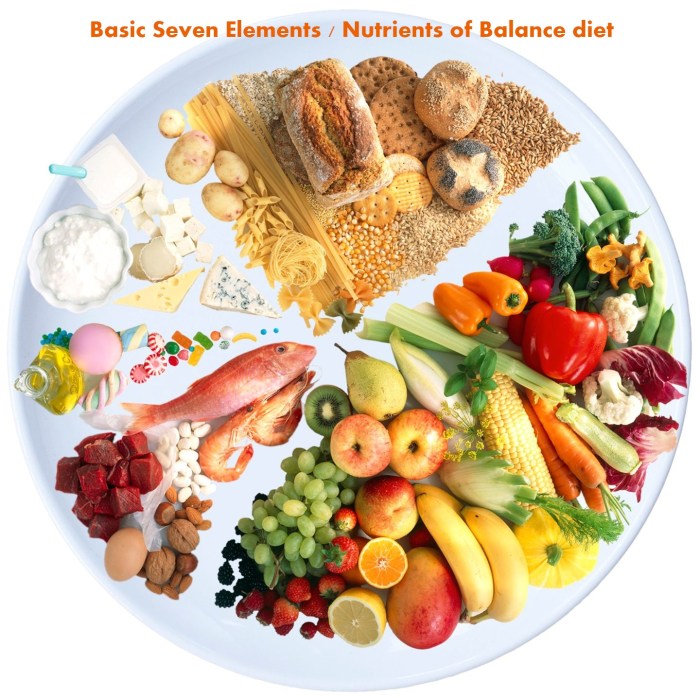
Maintaining a balanced diet is crucial for overall health and well-being. Preventive care practices play a significant role in ensuring optimal nutrition and preventing deficiencies or imbalances that can lead to health issues.
Regular health check-ups and screenings are essential for monitoring nutritional status and identifying any potential concerns early on. These assessments can help healthcare providers detect deficiencies in vitamins, minerals, or other essential nutrients before they manifest as serious health problems.
Importance of Regular Health Check-ups
Regular health check-ups, including blood tests and screenings, can provide valuable insights into your nutritional status. By monitoring key indicators such as cholesterol levels, blood sugar levels, and vitamin levels, healthcare providers can identify any deficiencies or imbalances in your diet.
- Annual physical exams can help track changes in weight, blood pressure, and other vital signs that may indicate nutritional issues.
- Blood tests can measure levels of essential nutrients like iron, vitamin D, and B vitamins to ensure adequate intake.
- Screenings for conditions like diabetes or heart disease can also uncover underlying nutritional deficiencies that may contribute to these health concerns.
Tips for Early Detection of Nutritional Deficiencies
Early detection of nutritional deficiencies is key to maintaining a balanced diet and preventing health complications. Here are some tips for identifying potential imbalances in your diet:
- Pay attention to changes in energy levels, mood, or overall well-being, as these can be signs of nutrient deficiencies.
- Keep a food diary to track your daily intake of different food groups and nutrients, allowing you to identify any gaps in your diet.
- Consult with a healthcare provider or nutritionist if you have concerns about your diet or suspect you may have a deficiency that requires further evaluation.
Immunity Boosters and Their Role in a Balanced Diet
Having a well-balanced diet plays a crucial role in supporting our immune system. By including key immunity-boosting foods in our daily meals, we can enhance our body’s ability to fight off infections and illnesses.
Key Immunity-Boosting Foods
Some of the key foods that can help boost our immune system include:
- Citrus fruits like oranges, lemons, and grapefruits, which are rich in vitamin C.
- Yogurt, kefir, and other fermented foods that contain probiotics to support gut health.
- Garlic, known for its immune-boosting properties due to its high sulfur content.
- Leafy greens such as spinach and kale, packed with vitamins and antioxidants.
Impact of a Well-Rounded Diet on Immune Function
A well-rounded diet that includes a variety of fruits, vegetables, whole grains, lean proteins, and healthy fats can provide the necessary nutrients to support our immune function. By nourishing our bodies with a diverse range of nutrients, we can strengthen our immune response and reduce the risk of falling ill.
Recipes Incorporating Immunity-Boosting Ingredients
Here are some meal ideas that incorporate immunity-boosting ingredients:
- Immune-Boosting Smoothie: Blend together oranges, yogurt, spinach, and a splash of honey for a refreshing and nutritious drink.
- Garlic-Infused Pasta: Sauté garlic in olive oil and toss it with whole grain pasta, cherry tomatoes, and fresh basil for a flavorful immune-boosting meal.
- Citrus Salad: Combine mixed greens with segments of oranges, grapefruit, and a sprinkle of almonds for a vitamin C-rich salad that supports immune health.
Holistic Wellness Approaches to Achieving a Balanced Diet
Holistic wellness involves looking at the whole person and how different aspects of their life are interconnected. When it comes to achieving a balanced diet, holistic wellness considers not only the food you eat but also other factors that can influence your dietary choices.
Sleep
Sleep plays a crucial role in maintaining a balanced diet. Lack of sleep can disrupt hormone levels that regulate appetite, leading to increased cravings for unhealthy foods. Aim for 7-9 hours of quality sleep each night to support your overall well-being and make better food choices.
Hydration
Staying hydrated is essential for proper digestion and nutrient absorption. Dehydration can sometimes be mistaken for hunger, leading to unnecessary snacking. Keep a water bottle handy throughout the day and drink at least 8-10 glasses of water to support your body’s functions.
Stress Management
Chronic stress can impact your food choices and eating habits. Stress eating or reaching for comfort foods high in sugar and fat is common when under stress. Practice stress management techniques such as deep breathing, meditation, or yoga to reduce stress levels and make healthier choices.
Tips for Achieving a Balanced Diet Holistically
- Listen to your body’s hunger and fullness cues to eat intuitively.
- Include a variety of colorful fruits and vegetables in your meals for essential nutrients.
- Engage in regular physical activity to support overall well-being and metabolism.
- Aim for a balanced combination of carbohydrates, proteins, and healthy fats in your meals.
- Practice mindful eating by savoring each bite and avoiding distractions while eating.
Understanding Chronic Diseases and the Role of Nutrition: How To Include All Food Groups In A Balanced Diet
Nutrition plays a crucial role in the development and management of chronic diseases. A balanced diet can significantly impact our overall health and well-being, especially when it comes to preventing conditions like diabetes, heart disease, and obesity.
Impact of Diet on Chronic Diseases
- Diabetes: Consuming a diet rich in whole grains, vegetables, fruits, lean proteins, and healthy fats can help regulate blood sugar levels and reduce the risk of developing type 2 diabetes. Limiting the intake of sugary beverages, processed foods, and refined carbohydrates is essential in managing diabetes.
- Heart Disease: A diet low in saturated fats, cholesterol, and sodium, while high in fiber, antioxidants, and omega-3 fatty acids, can help prevent heart disease. Incorporating foods like fish, nuts, seeds, and leafy greens can promote heart health and reduce the risk of cardiovascular issues.
- Obesity: Maintaining a healthy weight through a balanced diet and regular physical activity is key in preventing obesity. Eating mindfully, controlling portion sizes, and choosing nutrient-dense foods over empty calories can support weight management and reduce the risk of obesity-related complications.
Dietary Recommendations for Chronic Health Conditions
- Hypertension: Individuals with high blood pressure should focus on a diet rich in potassium, magnesium, and fiber while reducing sodium intake. Foods like bananas, sweet potatoes, spinach, and whole grains can help lower blood pressure and support overall heart health.
- Osteoporosis: Those with osteoporosis should prioritize calcium and vitamin D-rich foods to promote bone strength and density. Incorporating dairy products, leafy greens, fortified cereals, and sunlight exposure can aid in preventing fractures and maintaining bone health.
- Celiac Disease: Individuals with celiac disease must follow a strict gluten-free diet to manage symptoms and prevent intestinal damage. Consuming gluten-free grains, fruits, vegetables, and lean proteins while avoiding wheat, barley, and rye is essential for those with this autoimmune condition.
FAQ Guide
How can I ensure I include all necessary food groups in my diet?
To include all food groups, aim for variety by incorporating fruits, vegetables, grains, proteins, and dairy into your meals.
What are some meal planning techniques for a balanced diet?
Plan your meals in advance, include a variety of colors on your plate, and ensure each meal has a good mix of nutrients from different food groups.
How does mental wellness affect our eating habits?
Mental health issues like stress and anxiety can impact food choices, so it’s important to promote mental wellness to support healthy eating habits.
What exercises can complement a balanced diet?
Regular exercise improves digestion and nutrient absorption, making it an essential component of a balanced lifestyle.
What are some key immunity-boosting foods to include in a balanced diet?
Foods like citrus fruits, garlic, yogurt, and leafy greens are known to boost immunity and should be part of a well-rounded diet.



More Stories