How to boost immunity naturally with vitamins and minerals is a topic that has gained increasing attention in recent years. As we navigate a world filled with potential health challenges, understanding how to strengthen our natural defenses is crucial. This guide delves into the vital role of vitamins and minerals in bolstering our immune systems, exploring specific nutrients that can significantly contribute to our overall well-being.
From the well-known benefits of Vitamin C to the often overlooked importance of zinc and selenium, we will uncover a wealth of information about how these essential nutrients can help our bodies fight off infections, reduce the duration of illnesses, and enhance our overall resilience.
We’ll also explore how lifestyle factors, such as diet, exercise, and stress management, play a critical role in supporting a robust immune system.
The Importance of Vitamins and Minerals for Immunity
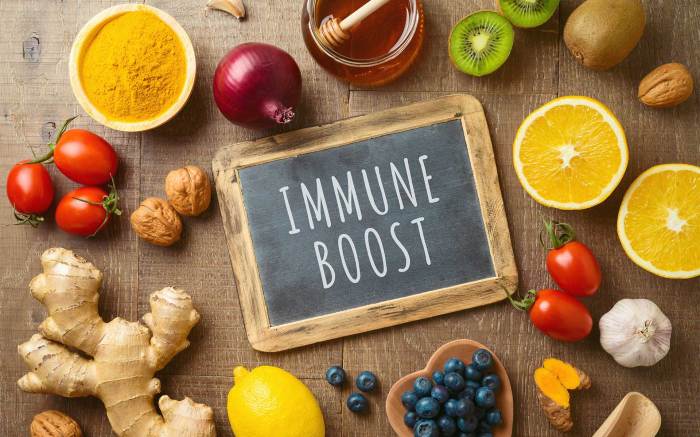
A robust immune system is your body’s natural defense against infections and diseases. While various factors contribute to a healthy immune response, vitamins and minerals play a crucial role in bolstering your body’s defenses.
Vitamins and Minerals Essential for Immune Function
These essential nutrients work together to support various aspects of immune function, from cell development and antibody production to inflammation regulation and overall immune cell activity.
- Vitamin C (Ascorbic Acid):A powerful antioxidant that helps protect cells from damage caused by free radicals, which can weaken the immune system. It also supports the production of white blood cells, which are crucial for fighting infections.
- Vitamin D (Calciferol):Plays a vital role in regulating immune responses, helping to reduce inflammation and support the development of immune cells.
- Vitamin E (Tocopherol):Another antioxidant that helps protect cells from damage and supports immune cell function.
- Vitamin A (Retinol):Essential for the development and maintenance of healthy mucous membranes, which act as a barrier against pathogens. It also supports the production of white blood cells.
- Zinc:Plays a crucial role in immune cell development and function, including the production of white blood cells and the regulation of immune responses.
- Selenium:A key component of antioxidant enzymes that protect cells from damage and support immune function.
- Iron:Essential for the production of red blood cells, which carry oxygen throughout the body, including to immune cells. Iron deficiency can weaken the immune system.
- Copper:Important for the production of white blood cells and the regulation of immune responses.
- Magnesium:Plays a role in immune cell function and helps regulate inflammation.
Food Sources of Essential Vitamins and Minerals
By incorporating these nutrient-rich foods into your diet, you can naturally boost your immune system and enhance your body’s ability to fight off infections.
- Vitamin C:Citrus fruits (oranges, lemons, grapefruits), berries (strawberries, blueberries, raspberries), bell peppers, broccoli, kale, spinach.
- Vitamin D:Fatty fish (salmon, tuna, mackerel), eggs, fortified milk and yogurt, mushrooms.
- Vitamin E:Nuts (almonds, hazelnuts, peanuts), seeds (sunflower seeds, pumpkin seeds), vegetable oils (sunflower oil, olive oil).
- Vitamin A:Sweet potatoes, carrots, spinach, kale, liver, eggs.
- Zinc:Oysters, red meat, poultry, beans, nuts, seeds.
- Selenium:Brazil nuts, tuna, sardines, eggs, mushrooms.
- Iron:Red meat, poultry, fish, beans, lentils, spinach, fortified cereals.
- Copper:Shellfish, nuts, seeds, whole grains, legumes.
- Magnesium:Leafy green vegetables (spinach, kale), almonds, avocado, black beans, dark chocolate.
Vitamin C for Immune Support
Vitamin C, also known as ascorbic acid, is a powerful antioxidant that plays a crucial role in maintaining a healthy immune system. It is a water-soluble vitamin that our bodies cannot produce, making it essential to obtain it through our diet or supplementation.
Benefits of Vitamin C for Immunity
Vitamin C contributes to several aspects of immune function. It helps in the production of white blood cells, which are the body’s primary defense against infections. It also enhances the activity of these cells, making them more effective at fighting off pathogens.
Additionally, Vitamin C plays a vital role in the production of collagen, a protein that helps maintain the integrity of tissues and acts as a barrier against infections.
How Vitamin C Fights Infections and Reduces Cold Duration
Vitamin C’s antioxidant properties help protect cells from damage caused by free radicals, which are unstable molecules that can contribute to inflammation and disease. This protective effect helps reduce the severity and duration of infections, including the common cold. Studies have shown that adequate Vitamin C intake can shorten the duration of colds and reduce the severity of symptoms.
Recommended Daily Intake of Vitamin C
The recommended daily intake of Vitamin C varies depending on age, gender, and overall health. For adults, the recommended daily intake is 75-90 mg. However, during times of illness or increased stress, it is often recommended to increase Vitamin C intake.
It is important to note that exceeding the recommended intake of Vitamin C can lead to digestive issues, such as diarrhea.
Vitamin D and Immune Function
Vitamin D, often referred to as the “sunshine vitamin,” plays a crucial role in maintaining a robust immune system. It’s not just about absorbing calcium for bone health; it acts as a powerful regulator of immune responses, influencing the activity of immune cells and helping to protect against infections.
Vitamin D Deficiency and Immune Health
A deficiency in Vitamin D can significantly compromise the immune system’s ability to function effectively. When Vitamin D levels are low, the body’s defenses are weakened, making it more susceptible to infections. Studies have shown a link between Vitamin D deficiency and increased risk of respiratory infections, including the common cold and influenza.
Vitamin D deficiency can also lead to:
- Increased inflammation:Vitamin D helps regulate inflammation, a natural immune response. A deficiency can lead to chronic inflammation, which can contribute to various health issues.
- Reduced production of antimicrobial peptides:These peptides are crucial for fighting off infections by directly killing bacteria and viruses. Vitamin D deficiency can impair their production.
- Impaired T cell function:T cells are a vital part of the immune system, responsible for recognizing and destroying infected cells. Vitamin D is essential for their proper functioning.
Getting Enough Vitamin D
Adequate Vitamin D levels are crucial for a healthy immune system. There are two primary ways to ensure sufficient intake:
- Sunlight exposure:The most natural and efficient way to get Vitamin D is through sun exposure. When your skin is exposed to sunlight, it produces Vitamin D. However, it’s essential to practice safe sun exposure by limiting time in the sun, especially during peak hours, and using sunscreen to protect your skin.
- Dietary sources:Some foods are good sources of Vitamin D, including fatty fish like salmon, tuna, and mackerel. Fortified foods like milk, yogurt, and orange juice can also contribute to your intake. However, these sources may not provide enough Vitamin D, so supplementation may be necessary.
It’s recommended to consult with your doctor to determine your Vitamin D levels and discuss appropriate supplementation if needed.
Zinc for Immune System Strengthening
Zinc is an essential mineral that plays a vital role in supporting a healthy immune system. It is involved in various immune processes, making it crucial for maintaining overall immune function.
Zinc’s Role in Immune Cell Development and Function
Zinc is essential for the development and function of immune cells, particularly white blood cells, which are responsible for fighting infections. It is involved in the production, maturation, and activation of these cells, enabling them to effectively combat pathogens.Zinc supports the production of immune cells in the bone marrow, where they are initially formed.
It also contributes to the maturation of these cells, allowing them to develop into specialized types, such as T cells and B cells, each with specific roles in immune responses.Moreover, zinc is crucial for the proper function of immune cells once they are activated.
It supports the production of cytokines, signaling molecules that coordinate immune responses, and helps regulate the activity of immune cells, ensuring a balanced and effective immune response.
Zinc’s Impact on Cold Duration and Infection Severity
Numerous studies have shown that zinc supplementation can help reduce the duration of colds and lessen the severity of infections. While more research is needed to fully understand the mechanisms, several possible explanations exist:* Reduced viral replication:Zinc may inhibit the replication of viruses, including the common cold virus, by interfering with their ability to multiply within cells.
This could lead to a faster recovery from colds.
Enhanced immune cell function
By supporting the function of immune cells, zinc may help them more effectively combat viral infections, reducing the duration and severity of symptoms.
Anti-inflammatory effects
Zinc has anti-inflammatory properties, which may help reduce inflammation associated with infections, leading to faster recovery and reduced discomfort.
Zinc-Rich Foods
Incorporating zinc-rich foods into your diet is a natural way to increase your zinc intake and support your immune system. Here are some examples:
- Oysters:Oysters are an excellent source of zinc, providing a significant amount per serving.
- Red meat:Beef, lamb, and pork are good sources of zinc, particularly lean cuts.
- Poultry:Chicken and turkey contain a moderate amount of zinc.
- Beans and lentils:These legumes are excellent vegetarian sources of zinc.
- Nuts and seeds:Almonds, cashews, pumpkin seeds, and sesame seeds are good sources of zinc.
- Dairy products:Milk, yogurt, and cheese contain a moderate amount of zinc.
- Fortified cereals:Some breakfast cereals are fortified with zinc, providing a convenient way to increase intake.
Selenium’s Role in Immune Health
Selenium is an essential trace mineral that plays a crucial role in immune function. It acts as a powerful antioxidant, protecting cells from damage caused by free radicals, which are unstable molecules that can harm healthy cells and contribute to inflammation.
Selenium also supports the production of antibodies, which are proteins that help the body fight off infections.
Selenium’s Antioxidant Properties
Selenium’s antioxidant properties are essential for immune function. Free radicals, which are byproducts of normal metabolic processes, can damage cells and contribute to inflammation. Selenium helps protect cells from this damage by acting as a cofactor for an enzyme called glutathione peroxidase.
This enzyme converts harmful hydrogen peroxide into water, neutralizing its damaging effects.
Selenium’s Role in Antibody Production
Selenium is also vital for the production of antibodies. Antibodies are proteins that bind to specific antigens, which are substances that trigger an immune response. When the body encounters an antigen, it produces antibodies to neutralize it. Selenium is essential for the proper functioning of immune cells that produce antibodies, including B lymphocytes.
Selenium Intake Through Food Sources
To ensure adequate selenium intake, it’s important to include selenium-rich foods in your diet. Some good sources of selenium include:
- Brazil nuts
- Tuna
- Salmon
- Eggs
- Chicken
- Beef
- Sunflower seeds
- Shiitake mushrooms
Other Essential Nutrients for Immunity
While vitamins C, D, zinc, and selenium are crucial for a robust immune system, other essential nutrients play a vital role in supporting immune function. These nutrients contribute to various aspects of immune health, from cell growth and development to the production of antibodies and the regulation of inflammation.
Vitamin E and Immune Function
Vitamin E, a powerful antioxidant, protects cells from damage caused by free radicals, which can weaken the immune system. It also supports the production of white blood cells, which are crucial for fighting infections. Vitamin E deficiency can lead to a compromised immune response, increasing susceptibility to infections.
- Food sources rich in Vitamin E:Almonds, sunflower seeds, spinach, avocado, and sweet potatoes.
Vitamin A and Immune Response
Vitamin A is essential for maintaining the integrity of the mucous membranes, which act as a barrier against pathogens. It also supports the development and function of immune cells, including T cells and B cells. Adequate vitamin A intake is vital for a healthy immune response, as deficiency can lead to increased susceptibility to infections.
- Food sources rich in Vitamin A:Sweet potatoes, carrots, spinach, kale, and cod liver oil.
Iron and Immune Function
Iron is a crucial component of hemoglobin, which carries oxygen to cells, including immune cells. It also plays a role in the production of white blood cells and antibodies. Iron deficiency, or anemia, can impair immune function, making individuals more susceptible to infections.
- Food sources rich in Iron:Red meat, beans, lentils, spinach, and fortified cereals.
Lifestyle Factors for Boosting Immunity
Beyond vitamins and minerals, your lifestyle plays a crucial role in supporting a robust immune system. It’s about adopting habits that promote overall well-being, which in turn strengthens your body’s natural defenses.
Physical Fitness and Immune Function
Regular physical activity has a profound impact on your immune system. Exercise stimulates the production of white blood cells, which are the body’s first line of defense against infections. It also improves circulation, allowing immune cells to travel more efficiently throughout the body, reaching areas where they are needed.
Benefits of Regular Exercise for Immune Health
Regular exercise offers a range of benefits for immune health:
- Reduced Risk of Infections:Studies show that physically active individuals have a lower risk of developing common infections like colds and flu.
- Improved Immune Cell Function:Exercise enhances the activity of immune cells, making them more effective at fighting off pathogens.
- Reduced Inflammation:Chronic inflammation is linked to a weakened immune system. Exercise helps regulate inflammation, promoting a healthier immune response.
Incorporating Physical Activity into Daily Routines
It’s not about intense workouts every day. Even moderate physical activity can make a significant difference:
- Aim for at least 30 minutes of moderate-intensity exercise most days of the week.This could include brisk walking, jogging, swimming, or cycling.
- Break up exercise into shorter sessions throughout the day.Even 10-minute bursts of activity can contribute to overall fitness.
- Find activities you enjoy.This will make it more likely that you’ll stick with them. Consider dancing, gardening, or playing a sport.
Healthy Eating for Immune Support: How To Boost Immunity Naturally With Vitamins And Minerals
A balanced diet is essential for a strong immune system. By providing your body with the necessary nutrients, you equip it to fight off infections and maintain overall health.
The Importance of a Balanced Diet
A balanced diet encompasses a variety of foods from different food groups, ensuring your body receives a wide range of essential vitamins, minerals, and antioxidants. These nutrients are crucial for immune cell function, antibody production, and overall immune system strength.
Benefits of Consuming Fruits, Vegetables, and Whole Grains
Fruits, vegetables, and whole grains are rich in vitamins, minerals, and fiber, which contribute significantly to immune health. They provide antioxidants that combat free radical damage, support healthy inflammation responses, and enhance immune cell function.
Tips for Creating a Healthy Eating Plan
Here are some tips for creating a healthy eating plan to support your immune system:
- Prioritize fruits and vegetables:Aim for at least five servings of fruits and vegetables daily. Choose a variety of colors, as each color offers unique nutrients.
- Include whole grains:Opt for whole grains over refined grains, as they are rich in fiber, vitamins, and minerals. Look for bread, pasta, and cereals made with whole grains.
- Choose lean protein sources:Include lean protein sources like fish, poultry, beans, and lentils in your diet. Protein is essential for building and repairing tissues, including immune cells.
- Limit processed foods:Processed foods are often high in unhealthy fats, sugar, and salt, which can weaken your immune system.
- Stay hydrated:Water is crucial for many bodily functions, including immune system function. Aim for at least eight glasses of water daily.
Preventive Care for Immune Health
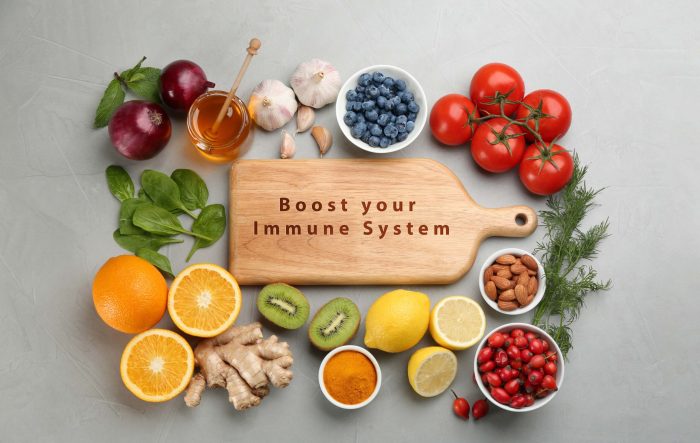
Beyond boosting your immune system with vitamins and minerals, proactive steps play a crucial role in safeguarding your health. Preventive care, including regular checkups and vaccinations, can significantly reduce your risk of infections and strengthen your overall well-being.
Importance of Regular Checkups and Vaccinations
Regular checkups with your doctor are essential for monitoring your health and identifying any potential issues early on. These visits allow your doctor to assess your overall health, recommend necessary vaccinations, and address any concerns you may have.
Vaccinations are a cornerstone of preventive healthcare, offering protection against serious and potentially life-threatening diseases. By stimulating your immune system to recognize and fight specific pathogens, vaccines prepare your body to combat future infections effectively.
Preventive Measures for Reducing Infection Risk
Maintaining good hygiene practices is paramount in preventing the spread of infections. Simple yet effective measures can significantly reduce your exposure to germs and protect you from falling ill.
- Wash your hands frequentlywith soap and water for at least 20 seconds, especially after using the restroom, before eating, and after contact with public surfaces.
- Avoid touching your eyes, nose, and mouth, as these areas are entry points for germs.
- Cover your mouth and nosewith a tissue or your elbow when coughing or sneezing.
- Clean and disinfect frequently touched surfaces, such as doorknobs, countertops, and phones, to eliminate germs.
- Get enough sleep, as sleep deprivation weakens your immune system and makes you more susceptible to infections.
- Manage stressthrough relaxation techniques like yoga, meditation, or deep breathing exercises.
Mental Health and Immunity
Your mental state plays a significant role in your overall health, including your immune system’s ability to function optimally. Stress, a common element of modern life, can have a detrimental impact on your immune response.
The Impact of Stress on Immune Function
Chronic stress can weaken your immune system, making you more susceptible to infections and illnesses. When you’re stressed, your body releases hormones like cortisol, which can suppress the activity of immune cells. This suppression can make it harder for your body to fight off infections effectively.
Studies have shown that prolonged stress can lead to an increase in the production of pro-inflammatory cytokines, which contribute to chronic inflammation and can weaken your immune system.
Stress Management Techniques for Immune Health
Managing stress is crucial for maintaining a robust immune system. Effective stress management techniques can help reduce the negative impact of stress on your body’s defenses.
Recommendations for Managing Stress and Promoting Mental Well-being
Here are some evidence-based strategies for managing stress and promoting mental well-being:
- Regular Exercise:Physical activity is a powerful stress reliever. Aim for at least 30 minutes of moderate-intensity exercise most days of the week. Exercise releases endorphins, which have mood-boosting effects.
- Mindfulness and Meditation:These practices can help you become more aware of your thoughts and feelings, allowing you to manage stress more effectively. Regular meditation can help reduce anxiety, improve sleep quality, and boost your immune function.
- Deep Breathing Exercises:Simple deep breathing exercises can help calm your nervous system and reduce stress. Take slow, deep breaths, focusing on your breath and allowing your body to relax.
- Adequate Sleep:Getting enough sleep is essential for both your physical and mental health. Aim for 7-8 hours of quality sleep each night.
- Social Connections:Strong social connections provide support and can help you cope with stress. Spend time with loved ones, join social groups, or volunteer in your community.
- Nature Exposure:Spending time in nature can have a calming effect on your mind and body. Take walks in the park, go for a hike, or simply sit in your backyard and enjoy the fresh air.
- Seek Professional Help:If you’re struggling to manage stress on your own, don’t hesitate to seek professional help from a therapist or counselor. They can provide you with personalized strategies and support.
Holistic Wellness for Immune Support
Boosting your immune system isn’t just about vitamins and minerals; it’s about a holistic approach to health and wellness. A holistic perspective considers all aspects of your well-being, recognizing that your immune system is influenced by factors beyond just what you eat.
The Importance of Sleep
Adequate sleep is crucial for a robust immune system. While you sleep, your body repairs and rejuvenates itself, including your immune cells. Chronic sleep deprivation can weaken your immune defenses, making you more susceptible to infections. Aim for 7-9 hours of quality sleep each night to support your immune function.
The Role of Hydration
Staying hydrated is essential for overall health and plays a significant role in immune function. Water helps transport nutrients and oxygen to your cells, including immune cells, and helps flush out toxins. Dehydration can impair immune function, making you more vulnerable to illness.
Aim to drink plenty of water throughout the day.
The Power of Social Connections, How to boost immunity naturally with vitamins and minerals
Strong social connections can positively impact your immune system. Feeling isolated or lonely can increase stress levels, which can suppress immune function. Spending time with loved ones, engaging in social activities, and maintaining meaningful relationships can boost your mood and strengthen your immune system.
Stress Management
Chronic stress can have a detrimental effect on your immune system. When you’re stressed, your body releases hormones that suppress immune function. Finding healthy ways to manage stress, such as exercise, meditation, or spending time in nature, can help strengthen your immune defenses.
The Benefits of Exercise
Regular physical activity can enhance your immune function. Exercise helps improve circulation, boosts your immune cell count, and reduces inflammation. Aim for at least 30 minutes of moderate-intensity exercise most days of the week.
Mindfulness and Meditation
Mindfulness and meditation practices can promote relaxation, reduce stress, and improve overall well-being, all of which contribute to a stronger immune system. Engaging in these practices can help you become more aware of your body and its signals, allowing you to respond to stress more effectively and support your immune health.
Incorporating Holistic Practices
- Prioritize sleep: Aim for 7-9 hours of quality sleep each night.
- Stay hydrated: Drink plenty of water throughout the day.
- Cultivate social connections: Spend time with loved ones, engage in social activities, and maintain meaningful relationships.
- Manage stress: Practice stress-reducing techniques such as exercise, meditation, or spending time in nature.
- Engage in regular physical activity: Aim for at least 30 minutes of moderate-intensity exercise most days of the week.
- Practice mindfulness and meditation: Engage in these practices to promote relaxation, reduce stress, and improve overall well-being.
Conclusive Thoughts
By incorporating a balanced diet rich in immune-boosting vitamins and minerals, adopting a healthy lifestyle, and prioritizing stress management, we can empower our bodies to fight off infections and maintain optimal health. Remember, consulting with a healthcare professional for personalized advice is always recommended, especially if you have any underlying health conditions.
Key Questions Answered
What are some good sources of Vitamin C?
Citrus fruits like oranges, lemons, and grapefruits are excellent sources of Vitamin C. You can also find it in berries, kiwi, broccoli, and bell peppers.
How can I get more Vitamin D naturally?
Sunlight exposure is the best way to get Vitamin D. Aim for 15-20 minutes of sun exposure on your skin a few times a week. You can also find Vitamin D in fatty fish like salmon, tuna, and mackerel, as well as fortified foods like milk and yogurt.
What are some signs of zinc deficiency?
Signs of zinc deficiency can include impaired immune function, delayed wound healing, hair loss, and taste and smell changes.
Is it safe to take immune-boosting supplements?
It’s always best to consult with your doctor before taking any supplements, especially if you have any underlying health conditions or are taking medications. They can advise you on the appropriate dosage and potential interactions.


More Stories
Mental Health: A Key to Managing Chronic Diseases
Early Cancer Detection: How Preventive Care Helps
Healthy Eating: Preventing Chronic Diseases