Best apps for tracking regular exercise and fitness goals are more than just digital logs; they’re your personal fitness coaches, packed with features to motivate, track, and analyze your journey. These apps offer a unique blend of technology and motivation, helping you stay on track, achieve your fitness goals, and unlock a healthier, more fulfilling lifestyle.
From tracking your daily steps and workouts to providing personalized workout plans and monitoring your sleep patterns, these apps offer a comprehensive approach to fitness. They provide valuable insights into your progress, empowering you to make informed decisions about your health and well-being.
The Importance of Fitness Tracking
In today’s fast-paced world, maintaining a healthy lifestyle is crucial for overall well-being. Regular exercise and fitness goals are essential components of a healthy lifestyle, and tracking progress can significantly enhance your journey towards a fitter you. Fitness tracking apps have emerged as powerful tools that can help individuals achieve their fitness aspirations by providing valuable insights, motivation, and accountability.
Benefits of Fitness Tracking
Fitness tracking apps offer a multitude of benefits that can contribute to a healthier lifestyle. These apps empower individuals to take control of their fitness journey by providing data-driven insights, enhancing motivation, and fostering accountability.
- Increased Motivation:Tracking progress allows individuals to visualize their achievements and witness the positive impact of their efforts. Seeing tangible results, such as increased steps, calories burned, or improved sleep patterns, can be incredibly motivating and encourage individuals to continue striving for their fitness goals.
- Enhanced Accountability:Fitness tracking apps provide a sense of accountability by recording and monitoring exercise sessions, dietary intake, and other fitness-related activities. This data serves as a reminder of commitments made and helps individuals stay on track with their goals.
- Improved Consistency:By tracking workouts and activity levels, individuals can identify patterns and areas for improvement. This data-driven approach allows for adjustments to exercise routines, ensuring consistency and maximizing results.
- Personalized Insights:Many fitness tracking apps offer personalized insights based on individual data and goals. These insights can provide tailored recommendations for exercise routines, nutrition plans, and sleep schedules, optimizing the fitness journey for each user.
Key Features of Fitness Tracking Apps
Fitness tracking apps have become increasingly popular, offering a wide range of features to help users monitor their progress, stay motivated, and achieve their fitness goals. These apps provide valuable insights into various aspects of physical activity and health, empowering users to make informed decisions about their fitness journey.
GPS Tracking
GPS tracking is a fundamental feature in many fitness apps, especially those designed for outdoor activities like running, cycling, or hiking. This feature utilizes the device’s GPS capabilities to record the user’s location and movement patterns. By analyzing this data, the app can calculate distance, pace, and route information.
- Route Tracking:GPS tracking allows apps to map the user’s route, providing a visual representation of their workout path. This feature is helpful for planning future workouts, exploring new areas, or sharing routes with friends.
- Distance and Pace Measurement:GPS data is used to calculate the total distance covered and the average pace during a workout. This information is crucial for monitoring progress, setting goals, and optimizing training plans.
- Elevation Gain:For activities involving elevation changes, GPS tracking can measure the total elevation gain, providing valuable information for assessing the intensity of a workout and understanding the physical demands of different terrains.
Heart Rate Monitoring, Best apps for tracking regular exercise and fitness goals
Heart rate monitoring is another crucial feature in fitness tracking apps, offering insights into the intensity of workouts and overall cardiovascular health. Apps can utilize various methods for heart rate tracking, including:
- Optical Heart Rate Sensors:These sensors use light to detect blood flow changes in the wrist or finger, providing a continuous heart rate reading.
- Chest Straps:Chest straps with integrated heart rate monitors provide more accurate readings compared to optical sensors, as they measure heart rate directly from the chest.
Heart rate data can be used to:
- Calculate Calories Burned:By combining heart rate data with other factors like activity type and body weight, apps can estimate the number of calories burned during a workout.
- Monitor Heart Rate Zones:Fitness tracking apps often display heart rate zones based on the user’s maximum heart rate. This helps users understand the intensity of their workouts and tailor their training to specific goals.
- Identify Workout Trends:Tracking heart rate over time allows users to identify trends in their fitness levels and understand how their heart rate responds to different types of exercise.
Activity Tracking
Activity tracking is a core feature of fitness tracking apps, allowing users to monitor their overall physical activity levels and identify areas for improvement. Apps typically track a wide range of activities, including:
- Steps Taken:Apps can utilize the device’s built-in accelerometer to count steps taken throughout the day, providing a measure of daily activity levels.
- Distance Walked or Run:Similar to GPS tracking, activity tracking apps can use motion sensors to estimate the distance covered during walks or runs, even without GPS data.
- Sleep Monitoring:Many apps offer sleep tracking features that monitor sleep patterns, including sleep duration, wake-up times, and sleep stages (light, deep, and REM sleep).
- Calorie Intake and Expenditure:Some apps allow users to log their food intake and estimate calorie expenditure based on activity levels, providing insights into their overall energy balance.
Activity tracking features can contribute to achieving fitness goals in several ways:
- Motivation and Accountability:Seeing their progress and activity levels can motivate users to stay active and make healthier choices.
- Setting Realistic Goals:Tracking activity levels allows users to set realistic goals based on their current capabilities and track their progress towards achieving them.
- Identifying Trends and Patterns:By tracking activity over time, users can identify patterns in their behavior and identify areas for improvement.
Popular Fitness Tracking Apps
With a plethora of fitness tracking apps available, choosing the right one can be a daunting task. Each app boasts unique features and caters to different user needs and preferences. This section will delve into some of the most popular fitness tracking apps, comparing their strengths and weaknesses, and providing insights into their user experiences.
Popular Fitness Tracking Apps
The following table Artikels key features, pricing, and user ratings for some of the most popular fitness tracking apps. It provides a comparative analysis of their strengths and weaknesses, offering insights to help you make an informed decision.
| App Name | Key Features | Pricing | User Rating (App Store/Google Play) |
|---|---|---|---|
| MyFitnessPal | Calorie tracking, macro tracking, food database, exercise logging, community features, integration with other fitness apps | Free (with premium subscription options) | 4.7/5 (App Store), 4.5/5 (Google Play) |
| Fitbit | Step tracking, activity tracking, sleep monitoring, heart rate monitoring, calorie tracking, social features | Free (with premium subscription options) | 4.6/5 (App Store), 4.4/5 (Google Play) |
| Nike Training Club | Guided workouts, personalized training plans, fitness challenges, expert-led classes | Free (with premium subscription options) | 4.8/5 (App Store), 4.6/5 (Google Play) |
| BetterMe | Personalized workout plans, nutrition coaching, habit tracking, progress tracking, motivational support | Free (with premium subscription options) | 4.7/5 (App Store), 4.6/5 (Google Play) |
| Peloton | Live and on-demand fitness classes, workout tracking, community features, integration with other fitness apps | Free (with premium subscription options) | 4.8/5 (App Store), 4.7/5 (Google Play) |
Comparison of Popular Fitness Tracking Apps
While each app offers a unique set of features, they share common strengths and weaknesses.
- MyFitnessPal:Strengths include its comprehensive food database, calorie and macro tracking capabilities, and social features. Weaknesses include its reliance on user-submitted data, which can lead to inaccuracies, and its lack of advanced workout tracking features.
- Fitbit:Strengths include its accurate step tracking, sleep monitoring, and heart rate monitoring. Weaknesses include its limited workout tracking features, its reliance on a dedicated Fitbit device, and its limited food tracking capabilities.
- Nike Training Club:Strengths include its guided workouts, personalized training plans, and expert-led classes. Weaknesses include its lack of comprehensive food tracking, its limited social features, and its focus on Nike-branded products.
- BetterMe:Strengths include its personalized workout plans, nutrition coaching, and motivational support. Weaknesses include its reliance on a subscription model, its lack of advanced workout tracking features, and its limited integration with other fitness apps.
- Peloton:Strengths include its live and on-demand fitness classes, its community features, and its integration with other fitness apps. Weaknesses include its high subscription cost, its limited workout tracking features, and its reliance on a dedicated Peloton device.
User Experience of Popular Fitness Tracking Apps
User experience varies significantly across these apps.
- MyFitnessPal:Known for its user-friendly interface, comprehensive food database, and social features. Many users find it easy to navigate and track their food intake. However, some users may find the app’s design outdated and its features limited compared to other options.
- Fitbit:Offers a clean and intuitive interface with a focus on simplicity. Users appreciate its step tracking, sleep monitoring, and heart rate monitoring features. However, the app’s limited workout tracking features and reliance on a dedicated device can be a drawback for some.
- Nike Training Club:Features a visually appealing and engaging interface with a focus on motivation. Users appreciate its guided workouts, personalized training plans, and expert-led classes. However, the app’s lack of comprehensive food tracking and limited social features may not appeal to all users.
- BetterMe:Offers a personalized and supportive experience with a focus on motivation and progress tracking. Users appreciate its personalized workout plans, nutrition coaching, and habit tracking features. However, the app’s reliance on a subscription model and its limited integration with other fitness apps can be a drawback for some.
- Peloton:Provides a high-energy and immersive experience with a focus on community and live fitness classes. Users appreciate its live and on-demand fitness classes, its community features, and its integration with other fitness apps. However, the app’s high subscription cost and limited workout tracking features can be a barrier for some.
Advanced Features for Fitness Tracking
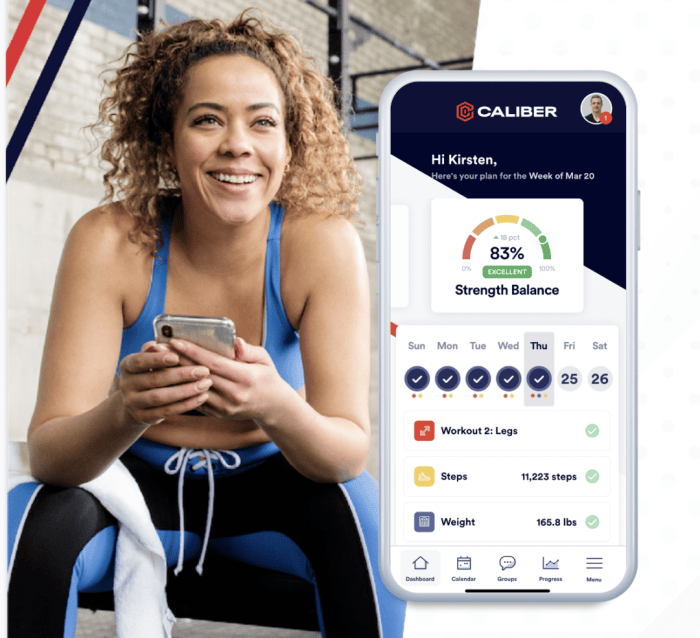
Beyond basic tracking, fitness apps are increasingly incorporating advanced features to personalize the user experience and enhance fitness outcomes. These features go beyond simply recording data, offering insights, and tailoring guidance to individual needs.
Personalized Workout Plans
Personalized workout plans are a valuable feature that takes the guesswork out of exercise routines. These plans are customized based on fitness levels, goals, and preferences, ensuring that workouts are effective and enjoyable.
- Algorithm-Driven Plans:Apps like Fitbitand MyFitnessPaluse algorithms to analyze user data and suggest personalized workout plans. These plans consider factors such as activity history, fitness level, and desired goals.
- Expert-Designed Plans:Some apps offer workout plans designed by certified trainers or fitness professionals. These plans provide structured guidance, often incorporating different exercise modalities, like strength training, cardio, and flexibility exercises.
- On-Demand Workouts:Many apps provide access to a library of on-demand workouts, covering various exercise types and intensities. Users can choose workouts based on their interests and time constraints, ensuring variety and engagement.
Personalized workout plans can significantly contribute to achieving fitness goals by providing structured guidance, optimizing workouts for individual needs, and enhancing motivation.
Nutrition Tracking
Nutrition tracking is another crucial aspect of fitness tracking, as diet plays a vital role in overall health and fitness. These apps provide tools to monitor calorie intake, macronutrient ratios, and food choices.
- Calorie Counting:Apps like MyFitnessPaland Lose It!allow users to log their food intake and track their calorie consumption. This helps users understand their dietary habits and make informed decisions about their food choices.
- Macronutrient Tracking:Advanced apps go beyond calorie counting and track macronutrients, including proteins, carbohydrates, and fats. This information is essential for optimizing dietary intake for specific fitness goals, such as building muscle or losing weight.
- Recipe Integration:Some apps integrate with recipe databases, providing nutritional information for various dishes. This feature simplifies the process of tracking meals and ensures that users are aware of the nutritional content of their food.
By tracking nutrition, users can identify areas for improvement, make healthier choices, and optimize their diet to support their fitness goals.
Sleep Monitoring
Sleep is a critical component of overall health and fitness, impacting energy levels, recovery, and performance. Advanced fitness tracking apps incorporate sleep monitoring features to provide insights into sleep patterns and promote better sleep hygiene.
- Sleep Stage Tracking:Some apps use sensors in smartwatches or fitness trackers to monitor sleep stages, including light sleep, deep sleep, and REM sleep. This data provides a detailed understanding of sleep quality and can identify potential sleep disruptions.
- Sleep Duration Tracking:Most fitness apps track sleep duration, providing information about the total amount of time spent sleeping. This data can be used to identify patterns in sleep habits and assess whether sufficient sleep is being obtained.
- Sleep Quality Insights:Advanced apps offer insights into sleep quality, identifying factors that may be affecting sleep, such as noise levels, room temperature, or caffeine intake. This information can help users optimize their sleep environment and improve sleep quality.
Sleep monitoring can help users prioritize sleep, identify areas for improvement, and develop healthy sleep habits, ultimately contributing to overall well-being and fitness success.
The Importance of Data Visualization
Fitness tracking apps leverage data visualization to transform raw data into meaningful insights, empowering users to understand their progress, identify patterns, and stay motivated. By presenting data in a visually appealing and easy-to-comprehend format, these apps help users make informed decisions about their fitness journey.
Types of Charts and Graphs
Data visualization techniques play a crucial role in fitness tracking apps. These apps utilize various charts and graphs to represent different aspects of user data. Here are some commonly used visualization methods:
- Line graphs: Line graphs are ideal for displaying trends over time. They can show the user’s progress in weight loss, distance covered, calories burned, or other metrics over a specified period. For example, a line graph can depict the user’s daily step count over a week, revealing any patterns or fluctuations.
- Bar charts: Bar charts are effective for comparing different data points. They can be used to visualize the user’s performance across different activities, such as running, swimming, or cycling. For instance, a bar chart can show the user’s total calories burned for each activity type in a given month.
- Pie charts: Pie charts are useful for representing proportions or percentages. They can illustrate the breakdown of the user’s daily calorie intake or the distribution of their exercise time across different activities. For example, a pie chart can show the percentage of calories consumed from carbohydrates, fats, and proteins.
- Scatter plots: Scatter plots are used to display the relationship between two variables. They can be used to analyze the correlation between exercise duration and calorie expenditure or between sleep duration and daily step count.
- Heatmaps: Heatmaps are used to visualize data density or intensity. They can be used to show the user’s activity levels throughout the day or week, highlighting periods of high or low activity. For instance, a heatmap can depict the user’s sleep patterns, indicating the hours of deep sleep, light sleep, and wakefulness.
Motivational Aspects of Data Visualization
Data visualization in fitness tracking apps serves as a powerful motivational tool. By providing users with visual representations of their progress, these apps encourage them to stay committed to their fitness goals. Here are some ways data visualization motivates users:
- Visualizing progress: Visualizing progress through charts and graphs provides users with a clear picture of their achievements. Seeing their weight loss journey depicted in a line graph or their daily step count increasing over time can be highly motivating.
- Identifying patterns: Data visualization can help users identify patterns in their behavior. For example, a user might notice a decrease in their step count on weekends, prompting them to make adjustments to their routine.
- Setting goals: Visualizing data can help users set realistic and achievable goals. By analyzing their past performance, they can set targets that are within reach and track their progress towards them.
- Celebrating milestones: Fitness tracking apps often incorporate features that highlight milestones achieved by users. These visual cues, such as badges or celebratory messages, can reinforce positive behavior and encourage users to continue their efforts.
Choosing the Right Fitness Tracking App
Finding the perfect fitness tracking app can be a bit like searching for the ideal workout buddyit needs to be compatible with your goals, motivations, and personality. With so many options available, choosing the right app can feel overwhelming. But fear not! By taking a strategic approach, you can find the perfect app to help you achieve your fitness goals.
Key Features to Consider
To make an informed decision, it’s crucial to consider what features are essential for your fitness journey. Not all apps are created equal, and some offer specialized features that might be particularly beneficial for your needs.
- Activity Tracking:This is the foundation of any fitness tracking app. Look for apps that track a wide range of activities, including running, cycling, swimming, walking, and strength training. Some apps even offer automatic activity detection, which eliminates the need to manually start and stop tracking.
- GPS Tracking:If you enjoy outdoor activities like running or cycling, GPS tracking is a must-have feature. It allows you to track your route, distance, pace, and elevation changes, providing valuable insights into your performance.
- Heart Rate Monitoring:Heart rate tracking is essential for understanding your workout intensity and optimizing your fitness plan. Some apps integrate with wearable devices like smartwatches or fitness trackers to provide real-time heart rate data.
- Sleep Tracking:Getting enough sleep is crucial for recovery and overall health. Apps that track your sleep patterns can help you identify areas for improvement, such as going to bed earlier or creating a more consistent sleep schedule.
- Nutrition Tracking:For those looking to manage their weight or improve their diet, nutrition tracking is a valuable feature. Apps allow you to log your meals, track your calorie intake, and monitor your macronutrients.
- Goal Setting and Progress Tracking:A good fitness tracking app should help you set realistic goals and track your progress over time. Look for apps that offer customizable goals, progress visualizations, and motivational features to keep you engaged.
- Social Integration:For some, the social aspect of fitness is motivating. Apps that allow you to connect with friends and family, share your progress, and participate in challenges can boost your motivation and accountability.
- Integrations:Consider whether the app integrates with other devices or services you use, such as wearable devices, smart scales, or music streaming platforms. Seamless integration can enhance your overall fitness experience.
User Reviews and Ratings
Before you commit to an app, it’s wise to consult user reviews and ratings. These provide valuable insights into the app’s strengths and weaknesses, helping you make an informed decision.
- App Store and Play Store Reviews:Check the app’s ratings and read through user reviews to understand the app’s pros and cons. Look for common themes and patterns in the reviews to get a sense of the overall user experience.
- Online Forums and Fitness Communities:Join online fitness forums or communities to see what other users are saying about different fitness tracking apps. You might find detailed reviews and comparisons that can help you narrow down your choices.
- Focus on Relevant Reviews:When reading reviews, pay attention to those from users with similar goals and fitness levels as yours. For example, if you’re a runner, look for reviews from runners who have used the app.
Free vs. Paid Apps
Many fitness tracking apps offer both free and paid versions. While free versions often provide basic features, paid versions usually unlock more advanced functionality and customization options.
- Consider Your Needs:If you’re just starting your fitness journey, a free app might be sufficient. However, if you’re looking for more advanced features, such as personalized training plans or detailed performance analytics, a paid subscription might be worth considering.
- Free Trial Periods:Many paid apps offer free trial periods, allowing you to try out the premium features before committing to a subscription. This is a great way to see if the app is right for you and if the paid features are worth the investment.
- Value for Money:Evaluate whether the paid features offer real value for your fitness goals. If the app provides features that can significantly enhance your workout routine and help you achieve your goals, the subscription might be a worthwhile investment.
Trial and Error
Remember, finding the right fitness tracking app is a personal journey. Don’t be afraid to try out a few different apps before settling on one that suits your needs and preferences.
“The best fitness tracking app is the one that you’ll actually use consistently.”
Fitness Tracking and Overall Wellness
Fitness tracking extends beyond just monitoring your exercise routine; it’s a powerful tool that can contribute to various aspects of your overall well-being. By understanding how your body responds to different activities and lifestyle choices, you can make informed decisions that lead to a healthier and more fulfilling life.
The Interplay of Fitness Tracking and Wellness
Fitness tracking can be a valuable asset in achieving a holistic approach to wellness, encompassing various aspects of your health and well-being. Let’s explore how fitness tracking can positively influence:
- Physical Fitness:Fitness trackers provide valuable insights into your physical activity levels, calories burned, and progress toward fitness goals. This data can motivate you to stay active, push yourself further, and track your improvements over time.
- Healthy Eating:Many fitness tracking apps integrate with food diaries, allowing you to log your meals and monitor your calorie intake. This awareness can help you make healthier food choices and maintain a balanced diet.
- Preventive Care:By monitoring your sleep patterns, heart rate variability, and stress levels, fitness trackers can alert you to potential health issues early on. This information can encourage you to seek medical advice or make necessary lifestyle changes to prevent complications.
- Balanced Diet:Fitness tracking apps often include nutritional information, allowing you to make informed decisions about your food choices. You can track your macronutrient intake, identify potential nutritional deficiencies, and adjust your diet accordingly.
- Regular Exercise:Fitness trackers can help you establish a regular exercise routine by setting goals, tracking progress, and providing motivation. The data they collect can also help you identify patterns in your activity levels and make adjustments to your workout schedule.
- Mental Health:Fitness tracking can contribute to improved mental health by promoting physical activity, which has been shown to reduce stress, anxiety, and depression. The positive feedback loop created by seeing your progress can also boost your self-esteem and confidence.
- Holistic Wellness:Fitness tracking provides a comprehensive view of your health and well-being, allowing you to identify areas where you can make improvements. By integrating different aspects of your lifestyle, such as exercise, nutrition, sleep, and stress management, you can create a more holistic approach to wellness.
- Chronic Diseases:By tracking your activity levels, sleep patterns, and other health metrics, fitness trackers can help you identify early signs of chronic diseases like diabetes, heart disease, and obesity. This information can empower you to take proactive steps to manage your health and prevent complications.
- Immunity Boosters:Regular exercise, which is often encouraged by fitness trackers, strengthens your immune system. This can help you fight off infections and maintain overall health.
Future of Fitness Tracking: Best Apps For Tracking Regular Exercise And Fitness Goals
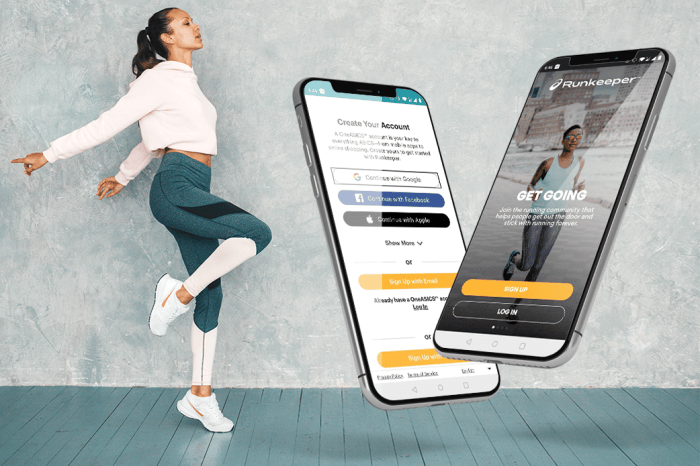
The fitness tracking landscape is constantly evolving, driven by advancements in technology and a growing emphasis on personalized health and wellness. The future of fitness tracking holds immense potential for empowering individuals to take control of their health and achieve their fitness goals with greater ease and effectiveness.
Impact of Wearable Technology
Wearable technology is playing a pivotal role in shaping the future of fitness tracking. Smartwatches, fitness trackers, and other wearable devices are becoming increasingly sophisticated, offering a wide range of features beyond basic step counting and calorie tracking. These devices can now monitor heart rate variability, sleep quality, stress levels, and even blood oxygen saturation, providing a comprehensive picture of an individual’s overall health and fitness.
- Enhanced Accuracy and Data Collection:Wearable devices are equipped with advanced sensors that collect more precise and detailed data, allowing for more accurate insights into fitness progress and health trends.
- Real-time Feedback and Motivation:Wearable devices provide real-time feedback on performance, progress, and health metrics, keeping individuals motivated and engaged in their fitness journey.
- Personalized Recommendations:By analyzing data from wearable devices, fitness tracking apps can generate personalized recommendations for workouts, nutrition, and other lifestyle choices.
The Role of Artificial Intelligence
Artificial intelligence (AI) is transforming the fitness tracking industry, enabling apps to analyze data, provide personalized insights, and offer more tailored guidance. AI algorithms can learn from individual data patterns, identify trends, and predict future outcomes, leading to more effective and efficient fitness programs.
- Predictive Analytics:AI algorithms can analyze data from wearable devices and other sources to predict potential health risks, identify areas for improvement, and recommend personalized interventions.
- Automated Coaching:AI-powered fitness tracking apps can provide personalized coaching and guidance, offering real-time feedback, workout adjustments, and motivational support.
- Virtual Fitness Communities:AI can facilitate the creation of virtual fitness communities, connecting individuals with similar goals and providing support and motivation.
Vision for the Future
The future of fitness tracking envisions a seamless integration of technology and personalized guidance, empowering individuals to achieve their fitness goals and live healthier lives.
- Holistic Health Tracking:Fitness tracking apps will expand beyond traditional metrics to encompass a wider range of health indicators, including mental well-being, sleep quality, and stress levels.
- Personalized Health Plans:AI-powered apps will create customized health plans tailored to individual needs, goals, and preferences, providing a truly personalized approach to fitness and wellness.
- Proactive Health Management:Fitness tracking apps will evolve into proactive health management tools, using data to identify potential health risks and recommend preventive measures.
Ending Remarks
In the ever-evolving world of fitness technology, these apps are not just tools but companions on your journey to a healthier you. They empower you to take control of your fitness, providing insights, motivation, and support every step of the way.
Whether you’re a seasoned athlete or just starting your fitness journey, these apps offer a powerful way to track your progress, stay motivated, and achieve your fitness goals.
FAQ Section
What are the best fitness apps for beginners?
Several apps are excellent for beginners, such as FitBit, MyFitnessPal, and Nike Training Club. These apps offer guided workouts, easy-to-follow plans, and a supportive community.
Do I need a smartwatch to use fitness tracking apps?
While a smartwatch can enhance your experience, most fitness apps are compatible with smartphones and don’t require a smartwatch.
How do I choose the right fitness app for me?
Consider your fitness goals, budget, and preferred features. Read reviews and compare apps before making a decision.


More Stories
Best Regular Exercise Routines for Weight Loss at Home