How preventive care helps in early detection of cancer takes center stage as we explore the crucial role it plays in safeguarding health and well-being. Regular checkups and screenings are not just routine appointments; they are proactive steps towards identifying potential health concerns at their earliest stages, significantly improving treatment outcomes and chances of survival.
This comprehensive guide delves into the importance of preventive care, its impact on early cancer detection, and the various strategies individuals can adopt to reduce their cancer risk.
Preventive care encompasses a range of measures designed to maintain overall health and identify potential health issues before they become serious. This includes regular checkups, screenings, and lifestyle modifications aimed at reducing risk factors for various diseases, including cancer. By proactively addressing health concerns, preventive care empowers individuals to take control of their well-being and potentially avoid the devastating consequences of late-stage diagnoses.
The Importance of Preventive Care
Preventive care is an essential aspect of maintaining overall health and well-being. It encompasses a range of measures designed to identify health risks early, prevent diseases, and promote a healthier lifestyle. This proactive approach to healthcare plays a crucial role in the early detection of cancer, allowing for timely interventions and improved outcomes.
Regular Checkups and Screenings
Regular checkups and screenings are vital components of preventive care. These appointments allow healthcare providers to monitor an individual’s overall health, identify any potential issues, and recommend appropriate interventions. Screenings, in particular, are designed to detect specific diseases or conditions in their early stages, often before symptoms even manifest.
Early detection is crucial for cancer, as it increases the likelihood of successful treatment and improves survival rates.
Common Preventive Care Measures for Different Types of Cancer
Preventive care measures vary depending on the type of cancer. Some common examples include:
- Breast Cancer:Mammograms are recommended for women starting at age 40 or earlier if they have a family history of breast cancer. Regular self-exams are also encouraged.
- Cervical Cancer:Pap smears and HPV tests are crucial for detecting cervical cancer early. The frequency of these tests depends on age and individual risk factors.
- Colorectal Cancer:Colonoscopies are recommended for individuals starting at age 50, or earlier if they have a family history of colorectal cancer. Stool tests are also available as a screening option.
- Prostate Cancer:Prostate-specific antigen (PSA) tests are used to screen for prostate cancer, although the effectiveness of PSA screening is debated. Digital rectal exams are also part of prostate cancer screening.
- Skin Cancer:Regular skin exams by a dermatologist are essential for early detection of skin cancer. Individuals should also perform self-exams at home to identify any suspicious moles or lesions.
- Lung Cancer:Low-dose CT scans are recommended for individuals at high risk for lung cancer, such as those with a history of smoking.
Cancer Screening Tests

Cancer screening tests play a crucial role in early detection and improving outcomes. They help identify cancer in its early stages when treatment is often more effective. These tests are designed to detect abnormalities that may indicate the presence of cancer, even before symptoms appear.
Types of Cancer Screening Tests
Cancer screening tests vary depending on the type of cancer and individual risk factors. Here are some commonly used tests:
- Mammography:A breast X-ray used to detect breast cancer. The American Cancer Society recommends annual mammograms for women aged 45 to 54, and every other year for women aged 55 and older. Women with a high risk of breast cancer may need more frequent screenings.
- Pap Test:A test to screen for cervical cancer. It involves collecting cells from the cervix and examining them under a microscope. The American Cancer Society recommends Pap tests every three years for women aged 21 to 65. Women who have had a hysterectomy for non-cancerous reasons may no longer need Pap tests.
- Colonoscopy:A procedure to examine the colon and rectum for polyps and cancer. A flexible tube with a camera is inserted into the rectum to view the lining of the colon. The American Cancer Society recommends colonoscopies every 10 years for people aged 45 to 75.
People with a family history of colorectal cancer may need more frequent screenings.
- PSA Test:A blood test to screen for prostate cancer. It measures the level of prostate-specific antigen (PSA) in the blood. The American Cancer Society recommends discussing the risks and benefits of PSA testing with a doctor. It is not recommended for all men due to the potential for overdiagnosis and unnecessary treatment.
- Skin Self-Examination:A visual examination of the skin to detect any suspicious moles or lesions. The American Cancer Society recommends regular skin self-examinations. People with fair skin, a family history of skin cancer, or other risk factors should see a dermatologist for regular skin checks.
Effectiveness of Cancer Screening Tests
Cancer screening tests are designed to detect cancer early, when it is more treatable. The effectiveness of these tests varies depending on the type of cancer and the individual.
- Mammography:Mammography can detect breast cancer in its early stages, when it is more treatable. Studies have shown that regular mammograms can reduce breast cancer mortality by 20-30%.
- Pap Test:The Pap test has been highly effective in reducing cervical cancer rates. It can detect precancerous cells, allowing for early treatment and prevention of cervical cancer.
- Colonoscopy:Colonoscopies are highly effective in detecting and removing precancerous polyps, reducing the risk of colorectal cancer. Studies have shown that regular colonoscopies can reduce colorectal cancer mortality by 50%.
- PSA Test:The effectiveness of the PSA test in detecting prostate cancer is controversial. While it can detect some cancers, it can also lead to overdiagnosis and unnecessary treatment. It is important to discuss the risks and benefits of PSA testing with a doctor.
- Skin Self-Examination:Regular skin self-examinations can help detect suspicious moles or lesions early, increasing the chances of successful treatment.
Benefits and Limitations of Cancer Screening Tests
Cancer screening tests offer numerous benefits, but they also have limitations.
- Benefits:
- Early detection of cancer, when it is more treatable.
- Increased chances of survival.
- Reduced risk of cancer-related complications.
- Peace of mind.
- Limitations:
- False Positives:Screening tests may sometimes show abnormal results even when cancer is not present. This can lead to anxiety and unnecessary follow-up tests.
- False Negatives:Screening tests may sometimes miss cancer, leading to delayed diagnosis and treatment.
- Overdiagnosis:Screening tests may detect cancers that would never have caused any symptoms or problems. This can lead to unnecessary treatment and potential side effects.
Early Detection and Treatment
Early detection plays a crucial role in improving cancer treatment outcomes. It allows for interventions at an earlier stage, when the disease is more manageable and less aggressive. This often translates to better treatment options, higher survival rates, and a reduced risk of complications.
Benefits of Early Detection
Early diagnosis empowers medical professionals to employ less invasive and more effective treatment options. This can include:
- Surgery:In early stages, surgery may be the only treatment required. This can involve removing the cancerous tumor and surrounding tissues before it spreads.
- Radiation Therapy:Early detection allows for targeted radiation therapy, minimizing damage to healthy tissues and enhancing effectiveness.
- Chemotherapy:When used in conjunction with surgery or radiation, chemotherapy can be more effective in preventing recurrence or spreading of the disease in its early stages.
“Early detection is key to improving cancer survival rates. The earlier a cancer is diagnosed, the more likely it is that treatment will be successful.”
American Cancer Society
Statistics and Case Studies
Numerous studies and case studies have demonstrated the significant impact of early detection on cancer treatment outcomes.
- Breast Cancer:Studies have shown that women diagnosed with breast cancer in the early stages have a five-year survival rate of over 90%. This rate drops significantly for those diagnosed in later stages.
- Colorectal Cancer:Regular colonoscopies, a preventive screening test, can detect colorectal cancer in its early stages, when it is most treatable. Early detection of colorectal cancer has been linked to a five-year survival rate of over 90%.
Lifestyle Factors and Cancer Risk
Lifestyle choices play a significant role in cancer development. While genetics and environmental factors contribute, adopting healthy habits can significantly reduce your risk.
Physical Fitness and Cancer Prevention
Regular physical activity is a cornerstone of cancer prevention. Studies have shown that maintaining a healthy weight and engaging in regular exercise can lower the risk of several cancers, including colorectal, breast, and endometrial cancers.
Regular physical activity can reduce the risk of developing several types of cancer.
- Reduces inflammation:Physical activity helps control inflammation, which is linked to cancer development.
- Boosts the immune system:Exercise strengthens the immune system, enabling it to better detect and fight cancer cells.
- Regulates hormones:Physical activity can help regulate hormone levels, which are implicated in certain cancers, such as breast cancer.
- Improves weight management:Maintaining a healthy weight through exercise is crucial, as obesity increases the risk of several cancers.
Healthy Eating and Balanced Diet
A balanced diet rich in fruits, vegetables, and whole grains is essential for cancer prevention.
A diet rich in fruits, vegetables, and whole grains is essential for cancer prevention.
- Antioxidant-rich foods:Fruits and vegetables are packed with antioxidants, which combat cell damage and reduce cancer risk.
- Fiber-rich foods:Whole grains, legumes, and fruits provide fiber, which helps regulate digestion and may reduce colorectal cancer risk.
- Limited processed foods:Processed foods, high in saturated fats, sugar, and salt, can increase the risk of some cancers.
- Moderation in red meat and alcohol:Red meat and alcohol consumption have been linked to an increased risk of certain cancers.
Incorporating Healthy Habits
Integrating healthy habits into your daily life is key to cancer prevention.
- Engage in regular physical activity:Aim for at least 150 minutes of moderate-intensity aerobic activity or 75 minutes of vigorous-intensity aerobic activity per week.
- Maintain a healthy weight:If you are overweight or obese, aim to lose weight gradually through a combination of diet and exercise.
- Eat a balanced diet:Focus on consuming plenty of fruits, vegetables, whole grains, and lean protein sources.
- Limit processed foods, red meat, and alcohol:Reduce your intake of these foods and beverages to minimize cancer risk.
- Get enough sleep:Aim for 7-8 hours of quality sleep per night.
- Manage stress:Chronic stress can weaken the immune system, so find healthy ways to manage stress, such as exercise, meditation, or yoga.
Understanding Cancer Risk Factors: How Preventive Care Helps In Early Detection Of Cancer
Knowing your risk factors for cancer can empower you to make informed decisions about your health. By understanding what factors contribute to cancer development, you can take proactive steps to reduce your risk and potentially detect the disease early.
Modifiable and Non-Modifiable Risk Factors
Cancer risk factors are categorized into modifiable and non-modifiable factors. Modifiable risk factors are those that you can control through lifestyle changes and preventive measures, while non-modifiable risk factors are those that you cannot change.
Modifiable Risk Factors, How preventive care helps in early detection of cancer
- Tobacco Use:Smoking is a major risk factor for many cancers, including lung, bladder, and colorectal cancer. Quitting smoking significantly reduces your risk of developing these cancers.
- Unhealthy Diet:A diet high in processed foods, red meat, and saturated fats increases your risk of certain cancers. A balanced diet rich in fruits, vegetables, and whole grains can help reduce your risk.
- Physical Inactivity:Lack of regular physical activity increases the risk of several cancers, including colon, breast, and endometrial cancer. Aim for at least 150 minutes of moderate-intensity aerobic activity or 75 minutes of vigorous-intensity aerobic activity per week.
- Excessive Alcohol Consumption:Excessive alcohol intake is linked to an increased risk of cancers of the mouth, throat, esophagus, liver, breast, and colon.
- Sun Exposure:Prolonged exposure to ultraviolet (UV) radiation from the sun can increase your risk of skin cancer. Protect your skin by wearing sunscreen, protective clothing, and limiting sun exposure during peak hours.
- Infections:Certain infections, such as human papillomavirus (HPV), hepatitis B and C, and Helicobacter pylori, can increase your risk of specific cancers. Vaccinations and early detection can help prevent these infections.
Non-Modifiable Risk Factors
- Age:The risk of most cancers increases with age. Older adults are more likely to develop cancer due to accumulated cellular damage over time.
- Genetics:Family history of cancer is a significant non-modifiable risk factor. If you have a close relative who has had cancer, you may have an increased risk of developing the same type of cancer.
- Race/Ethnicity:Certain racial and ethnic groups have higher risks for specific cancers. For example, African Americans have a higher risk of prostate cancer, while Asian Americans have a higher risk of liver cancer.
- Sex:Some cancers are more common in men, while others are more common in women. For example, prostate cancer is more common in men, while breast cancer is more common in women.
Holistic Wellness and Cancer Prevention
Taking a holistic approach to health and wellness is essential for cancer prevention. This means considering all aspects of your well-being, including physical, mental, emotional, and spiritual health. By focusing on these interconnected areas, you can create a strong foundation for overall health and reduce your risk of developing cancer.
Mental Health and Stress Management
Mental health plays a crucial role in overall well-being and cancer prevention. Chronic stress can weaken the immune system, making the body more susceptible to disease.
- Stress Management Techniques:Engage in stress-reducing activities such as yoga, meditation, deep breathing exercises, and spending time in nature. These practices help calm the mind and body, promoting relaxation and reducing stress levels.
- Seek Professional Help:If you are struggling with anxiety, depression, or other mental health challenges, seeking professional help from a therapist or counselor is vital. They can provide support, guidance, and coping strategies to manage your mental health and improve your overall well-being.
Emotional Well-being and Cancer Prevention
Emotional well-being is interconnected with physical health. Suppressing emotions or experiencing chronic negativity can negatively impact your immune system and increase your susceptibility to disease.
- Emotional Expression:Find healthy ways to express your emotions, such as journaling, talking to a trusted friend or family member, or engaging in creative activities. Suppressing emotions can lead to stress and negatively impact your health.
- Positive Mindset:Cultivating a positive mindset can boost your immune system and improve your overall health. Practice gratitude, focus on the good in your life, and engage in activities that bring you joy.
Strategies for Promoting Holistic Wellness
- Mindful Eating:Choose a balanced diet rich in fruits, vegetables, and whole grains, while limiting processed foods, sugary drinks, and unhealthy fats. Pay attention to your body’s hunger and fullness cues, and practice mindful eating to enhance your relationship with food.
- Regular Exercise:Aim for at least 150 minutes of moderate-intensity aerobic activity or 75 minutes of vigorous-intensity aerobic activity per week. Exercise strengthens the immune system, reduces inflammation, and promotes overall health.
- Quality Sleep:Aim for 7-8 hours of quality sleep each night. Sleep is essential for repairing and restoring the body, boosting the immune system, and maintaining overall health.
- Social Connections:Maintain strong social connections with friends, family, and community members. Social support can reduce stress, improve mood, and promote overall well-being.
- Spiritual Practices:Engage in activities that nourish your spiritual side, such as prayer, meditation, or spending time in nature. These practices can promote peace, purpose, and a sense of connection, contributing to overall well-being.
The Impact of Chronic Diseases
Chronic diseases, long-term health conditions that require ongoing management, can significantly increase the risk of developing cancer. These conditions often disrupt the body’s natural defenses, creating an environment more susceptible to cancerous growth.
The Link Between Chronic Diseases and Cancer
The connection between chronic diseases and cancer is multifaceted and complex. Some chronic conditions directly contribute to cancer development, while others indirectly increase the risk. For example, diabetes, obesity, and cardiovascular disease are closely linked to specific types of cancer.
Diabetes and Cancer
Diabetes, a metabolic disorder characterized by high blood sugar levels, is associated with an elevated risk of certain cancers, including:
- Liver cancer
- Pancreatic cancer
- Endometrial cancer
- Breast cancer
- Colorectal cancer
The exact mechanisms behind this link are still being investigated, but research suggests that chronic inflammation, insulin resistance, and hormonal imbalances associated with diabetes may play a role.
Obesity and Cancer
Obesity, a condition defined by excessive body fat, is another major risk factor for cancer. The increased risk of cancer associated with obesity is linked to:
- Chronic inflammation
- Hormonal changes
- Altered metabolism
- Changes in the immune system
Obesity has been linked to a higher risk of cancers of the esophagus, stomach, colon, rectum, liver, gallbladder, pancreas, kidney, breast, uterus, ovary, and thyroid.
Cardiovascular Disease and Cancer
Cardiovascular disease, a broad term encompassing conditions affecting the heart and blood vessels, is also associated with an increased risk of certain cancers.
- High blood pressure
- High cholesterol
- Heart disease
- Stroke
These conditions can contribute to cancer development by promoting inflammation, disrupting cell growth, and altering immune function.
Managing Chronic Diseases and Reducing Cancer Risk
While the link between chronic diseases and cancer is complex, individuals can take steps to manage their chronic conditions and reduce their risk of cancer.
Lifestyle Modifications
Lifestyle modifications are crucial for managing chronic diseases and reducing cancer risk. These include:
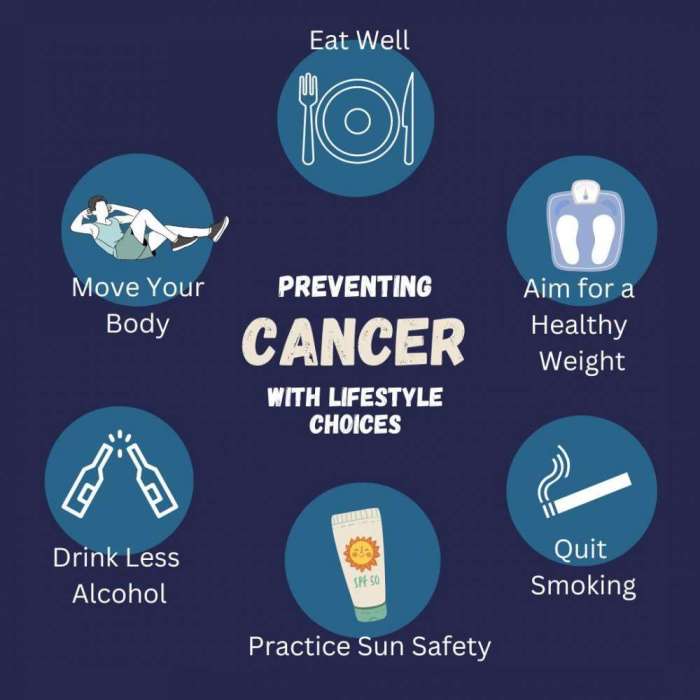
- Maintaining a healthy weight
- Engaging in regular physical activity
- Following a balanced diet rich in fruits, vegetables, and whole grains
- Limiting processed foods, red meat, and sugary drinks
- Quitting smoking
- Limiting alcohol consumption
Medical Management
Working closely with healthcare professionals is essential for managing chronic diseases and reducing cancer risk. This involves:
- Regular checkups and monitoring of blood sugar levels (for diabetes)
- Medication management (for diabetes, high blood pressure, and high cholesterol)
- Following prescribed treatment plans
- Discussing any concerns or potential cancer risks with your doctor
By adopting healthy habits and working closely with healthcare professionals, individuals can manage their chronic conditions and reduce their risk of developing cancer.
Immunity Boosters and Cancer Prevention
A robust immune system plays a vital role in protecting your body from various threats, including cancer. A strong immune system can detect and eliminate abnormal cells before they develop into tumors.
While we can’t completely eliminate cancer risk, we can bolster our immune system through lifestyle choices and natural methods.
Natural Immunity Boosters
Numerous natural approaches can enhance your immune system and contribute to cancer prevention.
- Consume a Balanced Diet Rich in Fruits and Vegetables:A diet rich in fruits and vegetables provides essential vitamins, minerals, and antioxidants that support immune function. Focus on colorful fruits and vegetables, including berries, leafy greens, and cruciferous vegetables like broccoli and cauliflower.
- Get Adequate Sleep:Sleep is crucial for immune function. Aim for 7-8 hours of quality sleep each night.
- Manage Stress:Chronic stress weakens the immune system. Engage in stress-reducing activities like yoga, meditation, or spending time in nature.
- Exercise Regularly:Regular physical activity boosts the immune system and reduces inflammation. Aim for at least 30 minutes of moderate-intensity exercise most days of the week.
- Stay Hydrated:Water is essential for optimal immune function. Drink plenty of water throughout the day.
- Limit Alcohol Consumption:Excessive alcohol consumption can weaken the immune system. Limit alcohol intake or abstain entirely.
- Avoid Smoking:Smoking damages the immune system and increases cancer risk. Quit smoking or avoid starting.
Incorporating Immunity-Boosting Practices into Daily Life
Integrating immunity-boosting practices into your daily routine can significantly enhance your overall health and contribute to cancer prevention.
- Prioritize a Balanced Diet:Fill your plate with a variety of colorful fruits, vegetables, whole grains, lean proteins, and healthy fats.
- Regular Exercise:Aim for at least 30 minutes of moderate-intensity exercise most days of the week. This could include brisk walking, jogging, swimming, or cycling.
- Stress Management:Practice stress-reducing techniques such as yoga, meditation, deep breathing exercises, or spending time in nature.
- Quality Sleep:Establish a regular sleep schedule and create a relaxing bedtime routine to promote restful sleep.
- Stay Hydrated:Drink plenty of water throughout the day to support optimal immune function.
- Supplements:Consult with your doctor about potential benefits and appropriate dosages of supplements like vitamin C, vitamin D, zinc, and probiotics.
Closure
In conclusion, the benefits of preventive care in early cancer detection are undeniable. By embracing regular checkups, screenings, and healthy lifestyle choices, individuals can significantly reduce their risk of developing cancer and improve their chances of survival if diagnosed. It is a powerful tool in the fight against cancer, empowering individuals to be proactive in safeguarding their health and well-being.
Remember, early detection is key, and preventive care is the first step towards a healthier future.
FAQs
What are some common preventive care measures for cancer?
Common preventive care measures include regular checkups, screenings for specific cancers based on age and risk factors, maintaining a healthy lifestyle with regular exercise and a balanced diet, avoiding smoking and excessive alcohol consumption, and getting vaccinated against certain cancer-related viruses like HPV.
How often should I get screened for cancer?
Screening recommendations vary depending on the type of cancer and individual risk factors. It’s crucial to discuss your specific needs and family history with your doctor to determine the appropriate screening schedule.
Can preventive care completely eliminate my risk of cancer?
While preventive care significantly reduces the risk of developing cancer, it cannot completely eliminate it. Some cancers are caused by genetic factors or environmental exposures that are beyond our control. However, adopting healthy habits and adhering to screening recommendations can significantly minimize your risk.


More Stories
Mental Health: A Key to Managing Chronic Diseases
Healthy Eating: Preventing Chronic Diseases
How to incorporate more vegetables into your diet