How regular exercise can act as a natural immunity booster is a concept backed by scientific evidence. It’s not just about feeling good; it’s about strengthening your body’s defenses against illness.
Our immune system, a complex network of cells and organs, is constantly working to protect us from harmful invaders. Regular exercise plays a crucial role in enhancing this defense mechanism. Through a variety of physiological processes, exercise stimulates the production of immune cells, improves their function, and reduces inflammation, ultimately boosting our resistance to infections and chronic diseases.
The Science Behind Exercise and Immunity
Regular exercise is not just about achieving a toned physique or improved cardiovascular health. It plays a crucial role in bolstering our immune system, making us less susceptible to infections and illnesses. This section delves into the scientific mechanisms by which exercise strengthens our immune defenses.
The Impact of Exercise on Immune Cells, How regular exercise can act as a natural immunity booster
Exercise triggers a cascade of physiological changes that enhance immune function. It stimulates the production and activity of immune cells, the body’s defense force against pathogens. These cells, including white blood cells like lymphocytes and macrophages, are responsible for identifying and eliminating harmful invaders.
Regular physical activity increases the number of circulating immune cells, making the body more equipped to fight off infections.
Types of Exercise for Immunity Boosting
Regular physical activity is a cornerstone of a healthy lifestyle, and its impact on the immune system is profound. Different types of exercise offer unique benefits for bolstering immune function. Understanding these benefits can help you design a personalized exercise program that optimizes your immune health.
Aerobic Exercise
Aerobic exercise, also known as cardio, is any activity that elevates your heart rate and increases your breathing. Examples include brisk walking, jogging, swimming, cycling, and dancing. Aerobic exercise has been consistently linked to enhanced immune function. Aerobic exercise helps boost immunity by:
- Increasing blood circulation:Aerobic exercise improves blood flow throughout the body, delivering oxygen and nutrients to cells, including immune cells. This enhances their ability to function effectively.
- Enhancing white blood cell activity:Aerobic exercise increases the production and activity of white blood cells, which are responsible for fighting off infections.
- Reducing inflammation:Chronic inflammation can suppress the immune system. Aerobic exercise helps reduce inflammation by promoting the release of anti-inflammatory cytokines.
Strength Training
Strength training involves using resistance to build muscle mass and strength. It can be done using weights, resistance bands, or your own body weight. Strength training benefits immunity by:
- Boosting muscle mass:Muscle tissue is a significant reservoir for immune cells. Strength training increases muscle mass, thereby increasing the pool of immune cells available to fight infections.
- Improving insulin sensitivity:Strength training enhances insulin sensitivity, which helps regulate blood sugar levels. Uncontrolled blood sugar can weaken the immune system.
- Reducing stress:Strength training can help manage stress, which is a known suppressor of immune function.
Interval Training
Interval training involves alternating between high-intensity bursts of exercise and periods of rest or low-intensity activity. Interval training enhances immunity by:
- Improving cardiovascular fitness:Interval training improves cardiovascular fitness, which is crucial for delivering oxygen and nutrients to immune cells.
- Boosting metabolism:Interval training boosts metabolism, helping the body burn calories and reduce inflammation.
- Enhancing stress response:Interval training helps the body adapt to stress, making it better equipped to handle challenges, including those posed by infections.
Sample Exercise Program
Here is a sample exercise program incorporating a mix of aerobic, strength training, and interval training to optimize immune health:
- Monday:30 minutes of brisk walking or jogging
- Tuesday:30 minutes of strength training (using weights or resistance bands)
- Wednesday:20 minutes of interval training (alternating between high-intensity bursts and rest or low-intensity activity)
- Thursday:Rest or light activity (yoga, stretching)
- Friday:30 minutes of swimming or cycling
- Saturday:30 minutes of strength training
- Sunday:Rest or light activity
It’s important to note that this is just a sample program. You should consult with your doctor or a qualified fitness professional to create a personalized exercise program that is safe and effective for you.
Exercise Intensity and Duration: How Regular Exercise Can Act As A Natural Immunity Booster
The intensity and duration of your exercise routine play a crucial role in maximizing its immune-boosting benefits. While moderate exercise is generally recommended, the optimal intensity and duration can vary depending on your fitness level, age, and health goals.
The Sweet Spot for Immune Benefits
Finding the right balance of intensity and duration is key to reaping the immune-boosting benefits of exercise. Here’s a breakdown:
- Intensity:Moderate-intensity exercise, which elevates your heart rate and makes you slightly out of breath, is ideal for immune enhancement. This could involve brisk walking, cycling, swimming, or jogging.
- Duration:Aim for at least 150 minutes of moderate-intensity exercise or 75 minutes of vigorous-intensity exercise per week. You can spread this out over several sessions throughout the week.
Potential Risks of Overtraining
While exercise is generally beneficial, overtraining can have the opposite effect, actually suppressing your immune system. Signs of overtraining include:
- Persistent fatigue: You feel exhausted even after a good night’s sleep.
- Increased risk of injury: Your body is more susceptible to muscle strains, sprains, and other injuries.
- Frequent illness: You experience more colds, flu, or other infections.
Avoiding Overtraining
To avoid overtraining, it’s essential to listen to your body and allow for adequate rest and recovery. Here are some tips:
- Gradual progression: Increase the intensity and duration of your workouts gradually, giving your body time to adapt.
- Rest days: Schedule at least one or two rest days per week to allow your body to recover.
- Cross-training: Vary your exercise routine to engage different muscle groups and prevent overuse injuries.
- Proper nutrition: Eat a healthy diet rich in fruits, vegetables, and whole grains to support your immune system.
- Hydration: Drink plenty of water before, during, and after exercise to stay hydrated.
Recommended Exercise Guidelines
Here’s a table outlining recommended exercise guidelines for different age groups and fitness levels:
| Age Group | Fitness Level | Recommended Exercise |
|---|---|---|
| 18-64 | Sedentary | At least 150 minutes of moderate-intensity aerobic activity or 75 minutes of vigorous-intensity aerobic activity per week. |
| 18-64 | Active | At least 300 minutes of moderate-intensity aerobic activity or 150 minutes of vigorous-intensity aerobic activity per week. |
| 65+ | Sedentary | At least 150 minutes of moderate-intensity aerobic activity or 75 minutes of vigorous-intensity aerobic activity per week, spread over at least 3 days. |
| 65+ | Active | At least 300 minutes of moderate-intensity aerobic activity or 150 minutes of vigorous-intensity aerobic activity per week, spread over at least 3 days. |
Exercise and Specific Immune Cells
Regular exercise doesn’t just make you stronger and fitter; it also plays a vital role in bolstering your immune system. One way it does this is by influencing the production and function of white blood cells, the body’s primary defense against infections and diseases.
Impact of Exercise on White Blood Cell Production and Function
Exercise stimulates the production of white blood cells, particularly lymphocytes and macrophages, which are crucial for immune responses. Lymphocytes are responsible for recognizing and destroying infected cells, while macrophages engulf and digest pathogens.
- During exercise, the body releases stress hormones like adrenaline and cortisol. These hormones stimulate the bone marrow, the site of white blood cell production, to increase the production of lymphocytes and macrophages.
- Exercise also improves the circulation of these immune cells, allowing them to reach areas of infection or inflammation more quickly and effectively.
Exercise and Cytokine Release
Cytokines are signaling molecules that play a critical role in immune responses. They act as messengers between immune cells, coordinating their activities to fight off infections. Exercise has been shown to increase the release of certain cytokines, such as interleukin-6 (IL-6) and tumor necrosis factor-alpha (TNF-α).
- IL-6 is a powerful anti-inflammatory cytokine that also plays a role in stimulating the production of white blood cells.
- TNF-α is a cytokine that is involved in both inflammation and immune responses. It helps to kill infected cells and activate other immune cells.
Studies Demonstrating Exercise’s Impact on Immune Cell Activity
Numerous studies have demonstrated the positive effects of exercise on immune cell activity.
- A study published in the journal “Medicine & Science in Sports & Exercise” found that moderate-intensity exercise for 30 minutes, three times a week, increased the number of natural killer (NK) cells in the blood. NK cells are a type of lymphocyte that can kill infected cells without prior sensitization.
- Another study published in the journal “Brain, Behavior, and Immunity” showed that regular exercise improved the function of T cells, a type of lymphocyte that plays a key role in adaptive immunity.
Exercise and Chronic Diseases
Regular exercise is not only a key to a healthier lifestyle but also a powerful tool in the fight against chronic diseases. By strengthening the immune system, exercise can significantly reduce the risk of developing conditions like heart disease, diabetes, and even some types of cancer.
The Link Between Exercise and Chronic Disease Prevention
Exercise plays a vital role in preventing chronic diseases by promoting overall health and well-being. Here’s how:
- Heart Health:Regular exercise strengthens the heart muscle, improves blood flow, and lowers blood pressure, all of which contribute to a reduced risk of heart disease, stroke, and other cardiovascular problems.
- Diabetes Management:Exercise helps regulate blood sugar levels, making it an essential component of diabetes management. It increases insulin sensitivity, allowing the body to use glucose more efficiently. This reduces the risk of developing type 2 diabetes and helps manage existing conditions.
- Cancer Prevention:While the exact mechanisms are still being studied, research suggests that exercise can reduce the risk of developing certain types of cancer, including colon, breast, and endometrial cancers. Regular physical activity helps maintain a healthy weight, reduces inflammation, and may boost the immune system’s ability to fight off cancerous cells.
Exercise and Chronic Disease Management
Exercise is not just about prevention; it’s also a powerful tool for managing existing chronic conditions. Here are some examples of how exercise can be incorporated into the management of chronic diseases:
- Heart Disease:For individuals with heart disease, exercise programs tailored to their specific needs can help improve cardiovascular function, reduce chest pain, and enhance overall quality of life.
- Diabetes:Regular exercise is crucial for managing blood sugar levels in individuals with diabetes. It helps improve insulin sensitivity and allows the body to use glucose more effectively.
- Arthritis:Exercise can help manage pain and stiffness associated with arthritis. It strengthens muscles supporting joints, improves flexibility, and reduces inflammation.
Exercise and Mental Health
Regular exercise isn’t just good for your physical health; it’s also a powerful tool for improving your mental well-being. When you engage in physical activity, your brain releases endorphins, which have mood-boosting effects. Exercise can help reduce stress, improve your mood, and alleviate anxiety.
This positive impact on mental health, in turn, strengthens your immune system.
The Positive Impact of Exercise on Mental Well-being
Exercise can have a profound effect on your mental health, leading to a range of benefits:
- Stress Reduction:Exercise helps your body release endorphins, which act as natural painkillers and mood elevators. This can help to reduce feelings of stress and anxiety. Studies have shown that regular exercise can be as effective as medication in reducing stress and anxiety.
- Improved Mood:Exercise has been shown to improve mood and reduce symptoms of depression. When you exercise, your brain releases dopamine, serotonin, and norepinephrine, which are neurotransmitters that play a role in regulating mood.
- Reduced Anxiety:Exercise can help to reduce anxiety by calming your nervous system and reducing the production of stress hormones. Regular physical activity can help you manage anxiety and develop coping mechanisms for stressful situations.
The Link Between Mental Health and Immunity
A healthy mind is essential for a robust immune system. When you’re stressed, your body releases cortisol, a hormone that can suppress your immune system. This makes you more susceptible to illness. By reducing stress and improving your mood, exercise can help to strengthen your immune system.
Strategies for Incorporating Exercise into a Holistic Approach to Mental Health
Here are some practical strategies for incorporating exercise into your mental health routine:
- Start Small:Don’t try to do too much too soon. Start with short, moderate-intensity workouts and gradually increase the duration and intensity as you get fitter.
- Find Activities You Enjoy:Choose activities that you find enjoyable and that fit into your lifestyle. This will make it more likely that you’ll stick with your exercise routine.
- Make Exercise a Social Activity:Exercise with friends or family, or join a fitness class. This can help to make exercise more enjoyable and provide motivation.
- Listen to Your Body:Don’t push yourself too hard. If you’re feeling pain, stop and rest.
Lifestyle Factors and Immunity
Your immune system is a complex network of cells and organs that work together to defend your body against disease. While exercise plays a crucial role in boosting immunity, it’s important to remember that it’s just one piece of the puzzle.
Several other lifestyle factors significantly influence your immune response, and optimizing these factors can create a robust defense against infections and illnesses.
Lifestyle Factors That Influence Immunity
Beyond exercise, several lifestyle choices can significantly impact your immune system’s strength and effectiveness. These factors work in tandem with exercise to create a holistic approach to immune health.
- Diet:A balanced diet rich in fruits, vegetables, whole grains, and lean protein provides essential nutrients like vitamins, minerals, and antioxidants that support immune function. These nutrients fuel immune cells, help repair damaged tissues, and protect against oxidative stress.
- Sleep:Adequate sleep is crucial for immune function. During sleep, your body produces cytokines, proteins that help regulate inflammation and immune responses. Sleep deprivation weakens the immune system, making you more susceptible to infections.
- Stress Management:Chronic stress can suppress the immune system. Techniques like meditation, yoga, deep breathing exercises, and spending time in nature can help manage stress levels and improve immune function.
- Social Connections:Strong social connections and a sense of belonging contribute to overall well-being and can positively impact the immune system. Social isolation, on the other hand, can weaken the immune response.
Interplay Between Exercise and Other Lifestyle Choices
Exercise, diet, sleep, stress management, and social connections are interconnected and work synergistically to support a strong immune system. For example, regular exercise can improve sleep quality, which in turn strengthens the immune system. Similarly, a healthy diet provides the necessary nutrients to fuel exercise and support immune function.
Recommendations for Optimizing Lifestyle Factors
| Lifestyle Factor | Recommendations |
|---|---|
| Diet | Consume a balanced diet rich in fruits, vegetables, whole grains, and lean protein. Limit processed foods, sugary drinks, and saturated fats. |
| Sleep | Aim for 7-9 hours of quality sleep per night. Establish a regular sleep schedule and create a relaxing bedtime routine. |
| Stress Management | Practice stress-reducing techniques like meditation, yoga, deep breathing exercises, or spending time in nature. |
| Social Connections | Cultivate strong social connections and engage in activities that foster a sense of belonging. |
Exercise and Disease Prevention
Regular exercise is not only crucial for maintaining physical fitness but also plays a vital role in preventing a wide range of infections and chronic diseases. By boosting the immune system, improving cardiovascular health, and regulating blood sugar levels, exercise acts as a powerful tool for promoting overall well-being and reducing the risk of health complications.
The Role of Exercise in Disease Prevention
Exercise has a profound impact on our bodies, extending beyond physical fitness to encompass our immune system and overall health. It strengthens our natural defenses against infections and chronic diseases, making us more resilient in the face of health challenges.
Exercise and Infections
Regular physical activity helps bolster our immune system, making us less susceptible to infections. Exercise stimulates the production of white blood cells, the body’s soldiers that fight off pathogens. It also enhances the circulation of these cells, allowing them to reach infected areas more effectively.
This heightened immune response helps us recover from infections faster and reduces the risk of developing complications.
Exercise and Chronic Diseases
Exercise plays a critical role in preventing chronic diseases, such as heart disease, stroke, type 2 diabetes, and some types of cancer. It helps maintain a healthy weight, lowers blood pressure, improves cholesterol levels, and increases insulin sensitivity. These benefits significantly reduce the risk of developing these chronic conditions, contributing to a longer and healthier life.
Exercise and Weight Management
Maintaining a healthy weight is crucial for preventing chronic diseases. Exercise helps us burn calories, which can lead to weight loss or weight maintenance. It also helps build muscle mass, which increases our metabolic rate, further contributing to calorie expenditure.
Tips for Incorporating Exercise into Daily Routines
Incorporating exercise into our daily routines can be challenging, but it is essential for our overall health. Here are some tips to make exercise a regular part of our lives:
- Start gradually: Begin with short, moderate-intensity workouts and gradually increase the duration and intensity as you get fitter.
- Find activities you enjoy: Choose exercises that you find enjoyable, as this will make it more likely that you’ll stick with them.
- Make exercise a social activity: Exercise with friends or family to make it more fun and motivating.
- Schedule exercise into your day: Treat exercise like any other important appointment and schedule it into your calendar.
- Be consistent: Aim for at least 30 minutes of moderate-intensity exercise most days of the week.
Exercise and Immunity in Specific Populations
Regular exercise is widely recognized for its positive effects on the immune system. However, it’s crucial to consider how exercise impacts different populations, as their needs and responses may vary. Understanding these variations allows for the development of tailored exercise programs that maximize benefits and minimize risks.
Exercise and Immunity in Older Adults
Older adults often experience a decline in immune function, making them more susceptible to infections and chronic diseases. Regular exercise can help mitigate these age-related changes and strengthen the immune system. Studies have shown that moderate-intensity exercise, such as brisk walking, cycling, or swimming, can enhance immune function in older adults.
These activities stimulate the production of immune cells, improve circulation, and reduce inflammation. However, it’s essential to consider the individual’s health status and physical limitations before starting any exercise program. Consulting a healthcare professional is crucial to ensure safety and effectiveness.
Exercise Recommendations for Older Adults
- Engage in at least 150 minutes of moderate-intensity aerobic activity or 75 minutes of vigorous-intensity aerobic activity per week.
- Incorporate strength training exercises that work all major muscle groups at least twice a week.
- Choose activities that are enjoyable and feasible, considering any underlying health conditions or limitations.
- Start gradually and increase intensity and duration progressively.
- Listen to your body and rest when needed.
Exercise and Immunity in Children
Children’s immune systems are still developing, making them more vulnerable to infections. Exercise plays a vital role in strengthening their immune defenses and reducing the risk of illness.Regular physical activity can enhance the immune system in children by boosting the production of immune cells, improving circulation, and reducing inflammation.
Exercise Recommendations for Children
- Children and adolescents should engage in at least 60 minutes of moderate-to-vigorous physical activity daily.
- Encourage participation in a variety of activities, including running, jumping, swimming, and dancing.
- Promote active play and limit sedentary screen time.
- Ensure children are adequately hydrated before, during, and after exercise.
Exercise and Immunity in Individuals with Chronic Conditions
Individuals with chronic conditions, such as diabetes, heart disease, or arthritis, often face challenges in maintaining a healthy immune system. Exercise can be a valuable tool in managing these conditions and improving immune function.
Exercise Recommendations for Individuals with Chronic Conditions
- Consult with a healthcare professional to develop a safe and effective exercise plan tailored to their specific condition.
- Start gradually and increase intensity and duration progressively.
- Choose activities that are enjoyable and manageable.
- Listen to their body and rest when needed.
- Monitor blood sugar levels carefully, especially for individuals with diabetes.
- Avoid strenuous exercise during periods of illness or flare-ups.
Conclusion
Regular exercise is not just about physical fitness; it’s a powerful tool for boosting your immune system and enhancing overall health. By incorporating physical activity into your daily routine, you can significantly strengthen your body’s natural defenses against infections and diseases.
The Power of Exercise for a Strong Immune System
The benefits of regular exercise for immunity are undeniable. Exercise helps to:
- Enhance immune cell function: Exercise stimulates the production of white blood cells, which are crucial for fighting off infections. It also improves the circulation of these cells throughout the body, allowing them to reach areas where they are needed quickly.
- Reduce inflammation: Chronic inflammation can weaken the immune system. Exercise helps to regulate inflammatory responses and reduce chronic inflammation, contributing to a stronger immune system.
- Promote healthy sleep: Adequate sleep is essential for a robust immune system. Regular exercise can improve sleep quality, leading to better immune function.
- Reduce stress: Stress can suppress the immune system. Exercise acts as a natural stress reliever, helping to maintain a healthy immune response.
Last Point
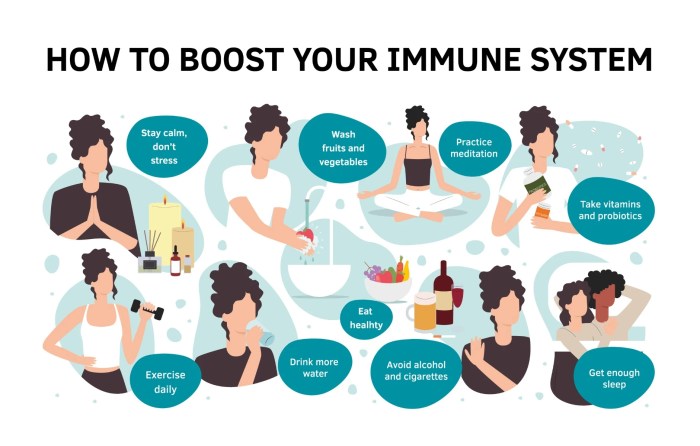
Incorporating regular exercise into your lifestyle is a powerful tool for boosting your immune system and promoting overall health. From reducing inflammation and improving immune cell function to enhancing mental well-being, the benefits of exercise extend far beyond physical fitness.
By understanding the science behind exercise and immunity, we can make informed choices to strengthen our bodies and build a resilient defense against illness.
FAQ Insights
Is it possible to over-exercise and weaken my immune system?
Yes, excessive exercise or overtraining can actually suppress your immune system. It’s important to find a balance and listen to your body.
What types of exercise are best for boosting immunity?
A combination of aerobic exercise, strength training, and interval training is ideal.
How much exercise do I need to benefit my immune system?
Aim for at least 150 minutes of moderate-intensity aerobic activity or 75 minutes of vigorous-intensity aerobic activity per week.
Can exercise help with chronic conditions?
Yes, regular exercise can help manage chronic conditions such as diabetes, heart disease, and obesity, all of which can impact the immune system.


More Stories
Boost Immunity Naturally: Vitamins & Minerals
Mental Health: A Key to Managing Chronic Diseases
Early Cancer Detection: How Preventive Care Helps