Best foods to include in a balanced diet for weight loss are essential for achieving sustainable and healthy weight management. This comprehensive guide delves into the principles of a balanced diet, highlighting key food groups and their benefits for weight loss.
We’ll explore the science behind calorie deficit and macro-nutrient balance, providing practical tips for incorporating these foods into your daily meals and snacks.
This guide aims to empower you with knowledge and strategies to make informed choices about your diet, ultimately supporting your weight loss goals and promoting overall well-being. We’ll also discuss the importance of hydration, physical activity, and sleep, emphasizing the interconnectedness of these factors in achieving lasting weight loss success.
Understanding Balanced Diets for Weight Loss
A balanced diet plays a crucial role in achieving and maintaining a healthy weight. It involves consuming a variety of nutrient-rich foods in appropriate proportions to meet your body’s needs while promoting weight loss.
Calorie Deficit and Macro-nutrient Balance
Weight loss is fundamentally about creating a calorie deficit, meaning you consume fewer calories than your body burns. However, simply reducing calories isn’t enough; maintaining a balanced intake of macronutrients (carbohydrates, proteins, and fats) is equally essential. Carbohydrates provide energy, proteins build and repair tissues, and fats support hormone production and cell function.
To achieve a healthy weight loss, aim for a gradual calorie deficit of 500-1000 calories per day.
Healthy Food Choices for Each Macro-nutrient Category
Carbohydrates
Choose complex carbohydrates over simple sugars. Complex carbohydrates are digested more slowly, providing sustained energy and preventing blood sugar spikes.
- Whole grains:Brown rice, quinoa, oats, whole-wheat bread, and pasta
- Fruits:Apples, bananas, berries, oranges, and pears
- Vegetables:Broccoli, carrots, spinach, sweet potatoes, and leafy greens
Proteins
Proteins are essential for building and repairing tissues, regulating hormones, and maintaining satiety.
- Lean meats:Chicken breast, turkey breast, fish, and lean beef
- Plant-based sources:Beans, lentils, tofu, tempeh, and nuts
- Eggs:A good source of protein and other nutrients
Fats
Healthy fats are crucial for hormone production, cell function, and absorption of vitamins. Choose unsaturated fats over saturated and trans fats.
- Unsaturated fats:Olive oil, avocado oil, nuts, seeds, and fatty fish like salmon and tuna
- Saturated fats:Coconut oil, butter, and full-fat dairy products (consume in moderation)
- Trans fats:Found in processed foods, margarine, and fried foods (avoid as much as possible)
Best Foods for Weight Loss
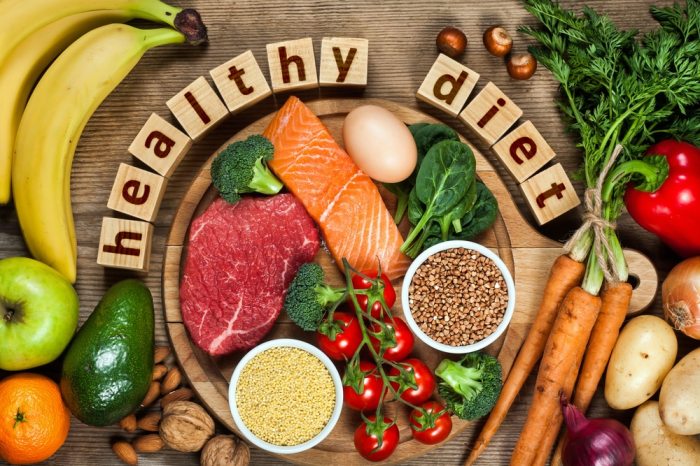
Choosing the right foods is crucial for successful weight loss. Focusing on nutrient-rich options that promote satiety and support a healthy metabolism can help you achieve your goals. This section will delve into specific food groups that are particularly beneficial for weight management, providing insights into their nutritional benefits and practical serving suggestions.
Foods High in Fiber
Fiber is an essential nutrient that plays a significant role in weight loss. It adds bulk to your meals, making you feel fuller for longer, reducing overall calorie intake. Additionally, soluble fiber can help lower cholesterol levels and regulate blood sugar, contributing to overall health.
| Food Group | Examples | Benefits | Serving Suggestions |
|---|---|---|---|
| Fruits | Berries, apples, pears, bananas, oranges | Rich in fiber, vitamins, and antioxidants. | Enjoy a cup of berries as a snack, add sliced apples or pears to your salad, or have a banana with your breakfast. |
| Vegetables | Broccoli, spinach, Brussels sprouts, carrots, sweet potatoes | High in fiber, vitamins, and minerals. | Include a variety of vegetables in your meals, such as a side of steamed broccoli or a spinach salad. |
| Legumes | Beans, lentils, chickpeas | Excellent source of fiber, protein, and iron. | Add beans to soups, stews, or salads, or enjoy a lentil curry for a satisfying meal. |
| Whole Grains | Brown rice, quinoa, oats | Provide complex carbohydrates, fiber, and essential nutrients. | Substitute white rice with brown rice, make quinoa salad, or enjoy a bowl of oatmeal for breakfast. |
Hydration and Weight Loss
Water plays a crucial role in weight management. It’s essential for various bodily functions, including metabolism, digestion, and appetite regulation. Drinking adequate water can contribute to a healthy weight by promoting satiety, reducing calorie intake, and boosting metabolism.
Benefits of Drinking Water
Drinking water throughout the day offers several benefits for weight loss.
- Increased Satiety: Water fills the stomach, providing a sense of fullness that can reduce cravings and overeating.
- Reduced Calorie Intake: Drinking water before meals can help you consume fewer calories. Research suggests that drinking water before meals can lead to a reduction in overall calorie intake, potentially aiding weight loss.
- Boosted Metabolism: Water helps your body function efficiently, including metabolic processes. Staying hydrated can help boost your metabolism, leading to more calories burned at rest.
- Improved Exercise Performance: Water is essential for maintaining hydration during exercise, preventing fatigue and dehydration. Adequate hydration is crucial for optimal performance and recovery.
Drinking Water Before Meals
Drinking water before meals can be a simple yet effective strategy for weight loss. Research suggests that drinking water before meals can increase satiety, leading to a reduction in calorie intake.
“Drinking 500 ml of water before meals can lead to a significant reduction in calorie intake and weight loss.”
[Insert Reference Here]
Drinking Water Throughout the Day
Staying hydrated throughout the day is essential for overall health and well-being. It’s recommended to drink water consistently, even when not feeling thirsty.
- Carry a Water Bottle: Having a reusable water bottle readily available encourages frequent hydration.
- Set Reminders: Use phone alarms or apps to remind yourself to drink water throughout the day.
- Drink Water Between Meals: Avoid waiting until you feel thirsty to drink water. Sip water between meals to maintain hydration levels.
Drinking Water After Exercise
After exercise, it’s essential to replenish fluids lost through sweat. Drinking water after exercise helps rehydrate your body and supports recovery.
“Drinking water after exercise helps replace lost fluids and promotes muscle recovery.”
[Insert Reference Here]
Staying Hydrated, Best foods to include in a balanced diet for weight loss
Staying hydrated is crucial for weight loss and overall health. Here are some tips for maintaining adequate hydration:
- Drink Water Regularly: Make water your primary beverage choice throughout the day.
- Carry a Water Bottle: Keep a reusable water bottle with you to encourage frequent hydration.
- Drink Water Before, During, and After Exercise: Hydration is crucial for optimal exercise performance and recovery.
- Eat Fruits and Vegetables: Many fruits and vegetables are high in water content, contributing to your daily hydration.
- Limit Sugary Drinks: Avoid sugary beverages, as they can contribute to dehydration and weight gain.
Signs of Dehydration
Dehydration can have several symptoms, including:
- Thirst: The most obvious sign of dehydration.
- Dry Mouth: A dry, sticky feeling in your mouth.
- Dark Urine: A concentrated urine color indicates dehydration.
- Fatigue: Dehydration can lead to tiredness and weakness.
- Headache: Dehydration can trigger headaches.
- Dizziness: A feeling of lightheadedness or faintness.
Physical Fitness and Weight Loss
Physical activity is a crucial component of a comprehensive weight loss strategy. It not only burns calories, but also helps build muscle mass, which in turn boosts metabolism and helps you burn more calories even at rest. Regular exercise also plays a significant role in improving cardiovascular health, reducing the risk of chronic diseases, and enhancing overall well-being.
Types of Exercises for Weight Management
Incorporating a variety of exercises into your routine is essential for achieving optimal results and preventing plateaus. Different types of exercises target different muscle groups and energy systems, contributing to a well-rounded fitness program.
- Cardiovascular Exercise: Cardio exercises, such as running, swimming, cycling, and dancing, elevate your heart rate and improve cardiovascular health. They are effective for burning calories and improving endurance. Aim for at least 150 minutes of moderate-intensity cardio or 75 minutes of vigorous-intensity cardio per week.
- Strength Training: Strength training exercises, like weightlifting, bodyweight exercises, and resistance band training, build muscle mass and increase metabolism. This helps you burn more calories even when you’re not exercising. Aim for at least two strength training sessions per week, targeting all major muscle groups.
- Flexibility Exercises: Flexibility exercises, such as yoga, Pilates, and stretching, improve range of motion, reduce muscle soreness, and enhance posture. They also help improve balance and coordination. Aim for at least 10 minutes of flexibility exercises most days of the week.
Sample Workout Routine
Here’s a sample workout routine that incorporates a variety of exercises:
- Warm-up: 5-10 minutes of light cardio, such as jogging in place or jumping jacks, followed by dynamic stretching, like arm circles and leg swings.
- Cardio: 30 minutes of moderate-intensity cardio, such as brisk walking, cycling, or swimming.
- Strength Training: 3 sets of 10-12 repetitions of each exercise, targeting major muscle groups, such as squats, push-ups, lunges, and rows.
- Cool-down: 5-10 minutes of static stretching, holding each stretch for 30 seconds.
Remember to consult with a healthcare professional before starting any new exercise program, especially if you have any underlying health conditions.
Healthy Eating Habits for Sustainable Weight Loss: Best Foods To Include In A Balanced Diet For Weight Loss
Sustainable weight loss isn’t just about cutting calories; it’s about making lasting changes to your eating habits. This involves developing a healthy relationship with food that promotes both physical and mental well-being.
Mindful Eating
Mindful eating is a technique that encourages paying full attention to the experience of eating. It involves savoring each bite, noticing the flavors, textures, and aromas of your food. This practice helps you become more aware of your hunger and fullness cues, leading to better portion control and reduced overeating.
- Slow down:Take your time to eat, chewing thoroughly and putting your fork down between bites.
- Eliminate distractions:Avoid eating while watching TV, working, or scrolling through your phone. Focus solely on your meal.
- Listen to your body:Pay attention to your hunger and fullness signals. Stop eating when you feel satisfied, not stuffed.
Portion Control
Portion control is essential for weight loss. It involves consuming the right amount of food to meet your body’s needs without overeating.
- Use smaller plates:This creates the illusion of a larger meal, making you feel more satisfied with less food.
- Measure your portions:Use measuring cups and spoons to ensure you’re consuming the recommended portion sizes.
- Read food labels:Pay attention to serving sizes and calories per serving to make informed choices.
Limiting Processed Foods
Processed foods are often high in calories, unhealthy fats, sugar, and sodium. Limiting your intake of these foods can significantly contribute to weight loss and overall health.
- Read ingredient lists:Choose foods with minimal ingredients and avoid those containing artificial flavors, colors, and preservatives.
- Focus on whole foods:Incorporate fruits, vegetables, whole grains, lean proteins, and healthy fats into your diet.
- Cook more meals at home:This allows you to control the ingredients and portion sizes of your meals.
Managing Cravings
Food cravings are a common challenge, especially during weight loss. However, there are strategies to manage them effectively.
- Identify triggers:Recognize what situations or emotions trigger your cravings, such as stress, boredom, or fatigue.
- Delay gratification:Wait for 15-20 minutes before giving in to a craving. This often allows the urge to pass.
- Find healthy alternatives:Satisfy your cravings with healthier options, such as fruits, vegetables, or a small handful of nuts.
Avoiding Unhealthy Snacking
Snacking can be a healthy part of a balanced diet, but it’s important to choose nutritious options.
- Plan your snacks:Include healthy snacks in your meal plan to avoid impulsive choices.
- Choose filling snacks:Opt for snacks that are high in protein, fiber, or healthy fats to keep you feeling full.
- Avoid mindless snacking:Be mindful of your snacking habits and avoid eating out of boredom or stress.
Regular Meal Times
Regular meal times help regulate your body’s hunger and fullness signals, preventing overeating and promoting healthy digestion.
- Eat breakfast daily:It jumpstarts your metabolism and helps you make healthier food choices throughout the day.
- Space meals evenly:Aim for 3-4 meals per day with 2-3 healthy snacks in between.
- Avoid skipping meals:Skipping meals can lead to overeating later in the day and can disrupt your metabolism.
The Role of Sleep in Weight Loss
You might be surprised to learn that getting enough sleep is a crucial component of a successful weight loss journey. While diet and exercise are often the primary focus, sleep plays a vital role in regulating hormones that control appetite and metabolism.
Impact of Sleep Deprivation on Appetite Hormones and Metabolism
When you’re sleep-deprived, your body produces more of the hunger hormone ghrelin and less of the satiety hormone leptin. This imbalance can lead to increased appetite and cravings for unhealthy foods, making it harder to stick to your weight loss goals.
Additionally, sleep deprivation can slow down your metabolism, making it more difficult to burn calories and lose weight.
Tips for Improving Sleep Quality
- Establish a Regular Sleep Schedule: Go to bed and wake up around the same time each day, even on weekends, to regulate your body’s natural sleep-wake cycle.
- Create a Relaxing Bedtime Routine: Wind down an hour or two before bed with activities like taking a warm bath, reading a book, or listening to calming music. Avoid screen time, as the blue light emitted from electronic devices can interfere with melatonin production, a hormone that regulates sleep.
- Avoid Caffeine and Alcohol Before Bed: Both caffeine and alcohol can disrupt sleep patterns. Avoid consuming them several hours before bedtime.
- Optimize Your Sleep Environment: Make sure your bedroom is dark, quiet, and cool. Invest in a comfortable mattress and pillows to ensure optimal sleep quality.
The Importance of Holistic Wellness for Weight Loss
Weight loss is not solely about shedding pounds; it’s about achieving overall well-being. A holistic approach considers the interconnectedness of physical health, mental health, and emotional well-being, recognizing that these aspects influence each other profoundly.
The Interplay of Physical, Mental, and Emotional Health
A healthy body supports a healthy mind, and vice versa. When you prioritize your physical health through exercise and a balanced diet, you’re likely to experience improved mood, reduced stress, and increased resilience. Conversely, neglecting your mental and emotional health can lead to unhealthy eating habits, decreased motivation for exercise, and ultimately, hinder your weight loss journey.
The Impact of Stress and Emotional Eating on Weight Loss
Stress, anxiety, and emotional eating can significantly derail weight loss efforts. When you’re stressed, your body releases cortisol, a hormone that can increase appetite and promote fat storage. Emotional eating, often driven by feelings of sadness, boredom, or loneliness, can lead to overconsumption of calorie-dense foods, further contributing to weight gain.
Strategies for Managing Stress and Promoting Mental Well-being
- Exercise:Physical activity releases endorphins, which have mood-boosting effects. Engaging in regular exercise can help manage stress, improve sleep quality, and boost self-esteem, all of which contribute to a positive mindset for weight loss.
- Mindfulness:Practicing mindfulness techniques, such as meditation or deep breathing exercises, can help you become more aware of your thoughts and feelings, allowing you to manage stress and emotional triggers effectively.
- Seek Professional Support:If you’re struggling with chronic stress, anxiety, or emotional eating, seeking professional support from a therapist or counselor can provide valuable tools and strategies for coping with these challenges.
Addressing Common Weight Loss Challenges
Embarking on a weight loss journey can be an exciting and rewarding experience, but it’s also common to encounter obstacles along the way. Understanding these challenges and developing effective strategies to overcome them is crucial for long-term success.
Weight Loss Plateaus
Weight loss plateaus are a common occurrence, where your progress slows down or even stops despite maintaining your diet and exercise routine. This can be frustrating, but it’s important to remember that it’s a natural part of the weight loss process.
- Causes of Weight Loss Plateaus:
- Decreased Metabolism: As you lose weight, your body becomes more efficient at using calories, which can lead to a slower metabolic rate.
- Muscle Loss: If you’re not lifting weights, you might lose muscle mass, which further reduces your metabolic rate.
- Hormonal Fluctuations: Hormones like thyroid hormone and insulin can influence metabolism and affect weight loss.
- Water Retention: Fluctuations in water weight can mask actual fat loss.
- Strategies to Overcome Plateaus:
- Increase Physical Activity: Adding new exercises or increasing the intensity of your workouts can boost your metabolism.
- Adjust Your Diet: Consider slightly reducing your calorie intake or focusing on more nutrient-dense foods.
- Be Patient: Plateaus are temporary. Don’t get discouraged; continue with your healthy habits, and you’ll eventually break through.
Food Cravings
Food cravings can be a significant challenge, particularly when trying to lose weight. These intense desires for specific foods can make it difficult to stick to your diet plan.
- Causes of Food Cravings:
- Hormonal Fluctuations: Hormones like ghrelin, which stimulates hunger, and leptin, which signals fullness, can play a role in cravings.
- Nutritional Deficiencies: Cravings for certain foods can sometimes be a sign of a lack of specific nutrients.
- Emotional Eating: Stress, boredom, or sadness can trigger cravings as a way to cope with emotions.
- Habitual Eating: If you’re used to eating certain foods at specific times, your body might crave them even if you’re not truly hungry.
- Strategies to Manage Cravings:
- Identify Triggers: Pay attention to what situations or emotions tend to trigger your cravings.
- Satisfy Cravings Healthily: If you’re craving something sweet, try a piece of fruit or a small serving of dark chocolate. For salty cravings, opt for a handful of nuts or a small bowl of popcorn.
- Distract Yourself: Engage in activities you enjoy, like reading, taking a walk, or spending time with loved ones, to divert your attention from cravings.
- Plan Ahead: Prepare healthy snacks and meals to avoid impulse choices when cravings hit.
Social Pressure
Social gatherings and events can often present challenges for weight loss. Navigating these situations while staying true to your goals requires careful planning and self-confidence.
- Strategies to Manage Social Pressure:
- Be Honest: If you’re trying to lose weight, it’s okay to be upfront with friends and family about your goals. They can be supportive and understanding.
- Choose Your Events Wisely: Don’t feel obligated to attend every social gathering. Prioritize events that are truly important to you.
- Make Healthy Choices: At events, focus on filling your plate with nutritious foods and limit your intake of unhealthy options.
- Bring Your Own Food: If you’re unsure about the menu at a social gathering, consider bringing a healthy dish to share.
- Focus on the Company: Remember that social events are about connecting with people. Enjoy the conversation and focus on the company, not the food.
The Importance of Consulting a Healthcare Professional
Embarking on a weight loss journey can be challenging, and seeking guidance from a healthcare professional can significantly enhance your success. Consulting a registered dietitian or a physician can provide invaluable support and ensure your approach is safe and effective.
Personalized Guidance and Support
Healthcare professionals can tailor weight loss plans to your individual needs and preferences. They consider your medical history, current health status, lifestyle, and dietary habits to create a personalized plan that is achievable and sustainable. They can help you identify areas for improvement, set realistic goals, and provide ongoing support and motivation.
Addressing Underlying Medical Conditions
Weight loss can be influenced by underlying medical conditions. A healthcare professional can diagnose and manage any health issues that may be contributing to weight gain or hindering your weight loss efforts. For instance, they can identify and treat hormonal imbalances, thyroid disorders, or other conditions that may require specific interventions.
Monitoring Progress and Making Adjustments
Regular check-ups with a healthcare professional allow them to monitor your progress and make adjustments to your weight loss plan as needed. They can assess your weight, body composition, and overall health, ensuring that you are on track and making safe and healthy progress.
If necessary, they can adjust your diet, exercise routine, or medication to optimize your results.
Addressing Specific Health Concerns
If you have specific health concerns, such as diabetes, high blood pressure, or heart disease, consulting a healthcare professional is crucial. They can provide guidance on safe and effective weight loss strategies that are tailored to your condition and minimize any potential risks.
Seeking Professional Support
If you are struggling with weight loss or have specific health concerns, do not hesitate to seek professional support. A registered dietitian or a physician can provide personalized advice, address any underlying medical conditions, and help you achieve your weight loss goals safely and effectively.
Closure
Embracing a balanced diet rich in nutrient-dense foods is a cornerstone of sustainable weight loss. By understanding the principles of calorie deficit and macro-nutrient balance, you can make informed choices that fuel your body, promote satiety, and support your weight management journey.
Remember, consistency is key. With patience, perseverance, and a focus on healthy habits, you can achieve your weight loss goals and experience a healthier, more vibrant you.
FAQ Resource
What are some common mistakes people make when trying to lose weight?
Common mistakes include drastically restricting calories, skipping meals, relying solely on fad diets, and not getting enough sleep. A balanced approach that includes a nutritious diet, regular exercise, and adequate sleep is crucial for sustainable weight loss.
How often should I eat when trying to lose weight?
It’s best to eat regular meals and snacks throughout the day to keep your metabolism going and prevent overeating. Aim for 3-5 meals per day, spaced about 3-4 hours apart.
Can I still eat my favorite foods when trying to lose weight?
Yes, you can still enjoy your favorite foods in moderation. The key is to make healthy choices most of the time and allow yourself occasional indulgences. This approach helps you stay on track and avoid feeling deprived.


More Stories