Mental Wellness
Maintaining mental wellness is crucial for senior citizens as it can significantly impact their overall health and quality of life. Engaging in activities that promote mental wellness can help prevent cognitive decline, reduce stress, and improve mood.
Activities for Promoting Mental Wellness
- Regular physical exercise, such as walking or yoga, to boost mood and cognitive function.
- Engaging in social activities, like joining a club or volunteering, to combat loneliness and stimulate the mind.
- Participating in hobbies or activities that challenge the brain, such as puzzles or learning a new skill, to maintain cognitive abilities.
- Practicing mindfulness and relaxation techniques, like meditation or deep breathing, to reduce stress and promote emotional well-being.
Impact on Overall Health
Maintaining mental wellness is closely linked to physical health in senior citizens. Chronic stress and negative emotions can weaken the immune system, increase the risk of heart disease, and impair cognitive function. By prioritizing mental wellness, seniors can improve their overall health and well-being.
Integration into Daily Routines
Seniors can integrate mental wellness practices into their daily routines by setting aside time for activities that promote emotional and cognitive well-being. Creating a schedule that includes physical exercise, social interactions, brain-stimulating activities, and relaxation techniques can help seniors maintain mental wellness as a regular part of their lives.
Physical Fitness: Preventive Care Strategies For Senior Citizens
Regular physical activity plays a crucial role in maintaining overall health and well-being, especially for senior citizens. Engaging in physical fitness not only helps improve physical strength, flexibility, and balance but also has numerous benefits for mental health and cognitive function.
Benefits of Physical Fitness for Senior Citizens:
- Improves cardiovascular health and reduces the risk of heart diseases.
- Enhances muscle strength and flexibility, reducing the risk of falls and fractures.
- Boosts mood, reduces stress, and improves overall mental well-being.
- Helps maintain a healthy weight and promotes better sleep patterns.
Examples of Low-Impact Exercises Suitable for Seniors:
- Walking or brisk walking
- Swimming or water aerobics
- Cycling on a stationary bike
- Yoga or Tai Chi for balance and flexibility
Role of Physical Fitness in Preventing Age-Related Health Issues:
Regular physical activity can significantly reduce the risk of chronic conditions such as diabetes, osteoporosis, and arthritis. It also helps in maintaining cognitive function and independence as seniors age.
Tips for Seniors to Stay Active and Fit:
- Consult with a healthcare provider before starting any exercise routine.
- Start slow and gradually increase the intensity of workouts.
- Stay hydrated and ensure proper nutrition to support physical activity.
- Find a workout buddy or join group fitness classes for motivation and social interaction.
Healthy Eating
Eating a nutritious diet is crucial for senior citizens as it plays a key role in maintaining overall health and well-being. Healthy eating habits can help prevent various health issues and improve quality of life in older adults.
Examples of Nutrient-Rich Foods for Seniors
- Leafy green vegetables like spinach and kale, rich in vitamins and minerals
- Fatty fish such as salmon or mackerel, high in omega-3 fatty acids for heart health
- Whole grains like quinoa and brown rice, providing fiber for digestive health
- Low-fat dairy products like yogurt and milk, good sources of calcium and vitamin D for bone health
- Lean proteins like chicken, turkey, and beans, essential for muscle strength
Impact of a Balanced Diet on Overall Health
A balanced diet that includes a variety of nutrient-rich foods can help seniors maintain a healthy weight, reduce the risk of chronic diseases such as diabetes and heart disease, improve energy levels, and support cognitive function.
Guidance on Meal Planning for Seniors
- Include a variety of fruits, vegetables, whole grains, lean proteins, and healthy fats in meals
- Aim for colorful plates to ensure a wide range of nutrients
- Limit processed foods, sugary drinks, and high-sodium foods
- Stay hydrated by drinking plenty of water throughout the day
- Consult with a healthcare provider or a nutritionist for personalized meal plans based on individual needs and health conditions
Preventive Care
Preventive care strategies for senior citizens – Preventive care plays a crucial role in maintaining the health and well-being of senior citizens. It involves taking proactive measures to prevent illnesses and complications before they occur, ultimately helping seniors live a healthier and more active life.
Preventive Care Strategies for Common Age-Related Conditions
As seniors age, they become more susceptible to certain health conditions. Here are some preventive care strategies for common age-related conditions:
- Regular exercise to maintain strength and flexibility.
- Healthy eating habits to support overall health.
- Regular health screenings for early detection of potential issues.
- Mental wellness activities to reduce stress and improve cognitive function.
- Staying socially active to prevent feelings of isolation and depression.
Importance of Regular Health Screenings for Seniors
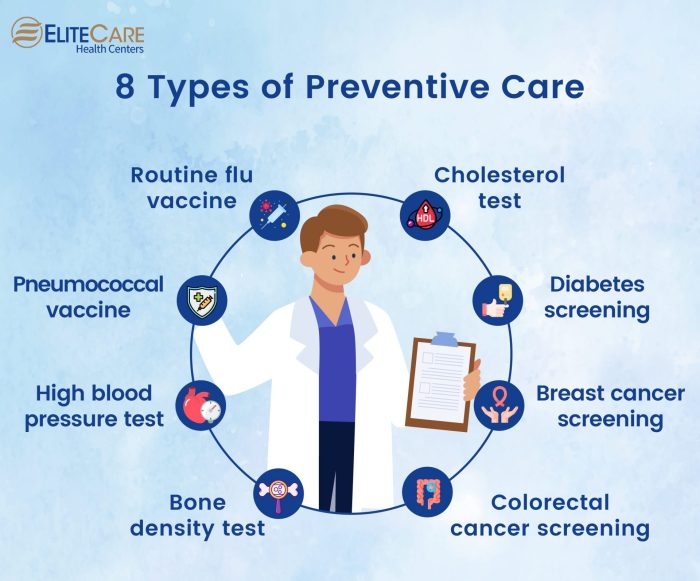
Regular health screenings are vital for seniors as they can help detect potential health problems early on, allowing for timely intervention and treatment. Some common screenings for seniors include:
- Blood pressure checks
- Blood sugar tests
- Cholesterol screenings
- Bone density tests
- Cancer screenings (e.g., mammograms, colonoscopies)
Tips for Seniors to Actively Engage in Preventive Care
Seniors can take an active role in their preventive care by following these tips:
- Attend regular check-ups with healthcare providers.
- Stay up to date with recommended vaccinations.
- Follow a healthy diet and exercise regularly.
- Stay mentally and socially active.
- Keep track of any changes in their health and report them to their doctor.
Balanced Diet
Eating a balanced diet is crucial for senior citizens to maintain optimal health and well-being. A balanced diet provides essential nutrients that help support overall bodily functions and prevent the onset of chronic diseases.
Food Groups in a Senior’s Diet
A balanced diet for seniors should include a variety of food groups to ensure they are getting all the necessary nutrients. Here are some examples of food groups that should be included in a senior’s diet:
- Fruits and Vegetables: These provide vitamins, minerals, and fiber essential for good health.
- Whole Grains: Include foods like whole wheat bread, brown rice, and oats for sustained energy.
- Protein Sources: Opt for lean proteins like poultry, fish, eggs, beans, and nuts for muscle maintenance and repair.
- Dairy or Dairy Alternatives: Calcium-rich foods like milk, yogurt, and cheese help maintain bone health.
- Healthy Fats: Incorporate sources of healthy fats like avocados, olive oil, and nuts for heart health.
Role of Balanced Diet in Promoting Longevity
A balanced diet plays a significant role in promoting longevity and well-being among seniors. By providing essential nutrients, a balanced diet can help prevent chronic diseases, maintain muscle mass, support cognitive function, and boost overall energy levels. It also aids in maintaining a healthy weight and reducing the risk of obesity-related conditions.
Tips for Seniors to Maintain a Balanced Diet
- Plan Meals: Create a weekly meal plan to ensure you are incorporating a variety of foods.
- Stay Hydrated: Drink plenty of water throughout the day to support digestion and overall health.
- Limit Processed Foods: Reduce consumption of processed foods high in added sugars, salt, and unhealthy fats.
- Listen to Your Body: Pay attention to hunger and fullness cues to avoid overeating or undereating.
- Seek Professional Advice: Consult a dietitian or nutritionist for personalized dietary recommendations based on your specific needs.
Regular Exercise
Regular exercise is crucial for seniors as it helps maintain their overall health and well-being. It can improve flexibility, strength, balance, and endurance, reducing the risk of falls and injuries. Additionally, exercise can enhance mood, cognitive function, and quality of life for seniors.
Types of Exercises for Seniors
- Walking: A low-impact exercise that can be easily incorporated into daily routine.
- Strength Training: Using light weights or resistance bands to improve muscle mass and bone density.
- Yoga: Helps improve flexibility, balance, and relaxation.
- Swimming: A great cardiovascular workout that is gentle on the joints.
Benefits of Regular Exercise for Seniors
Regular exercise can lead to improved cardiovascular health, increased mobility, better sleep quality, and reduced risk of chronic diseases such as diabetes and heart disease. It can also boost cognitive function and mental well-being, promoting independence and overall quality of life for seniors.
Tips for Seniors to Incorporate Exercise into Daily Routine
- Schedule exercise sessions at the same time each day to establish a routine.
- Start slowly and gradually increase intensity to prevent injury.
- Find a workout buddy to stay motivated and accountable.
- Choose activities that are enjoyable to make exercise a fun and sustainable habit.
Mental Health
Maintaining good mental health is crucial for the overall well-being of seniors. Mental health plays a significant role in their quality of life, affecting their emotional, psychological, and social functioning. It is essential to address mental health issues proactively to ensure a healthy and fulfilling life for older adults.
Strategies for Maintaining Good Mental Health
- Engage in regular social activities to prevent isolation and loneliness.
- Practice relaxation techniques such as meditation or deep breathing exercises.
- Stay physically active to promote the release of endorphins, the “feel-good” hormones.
- Seek professional help if experiencing symptoms of anxiety, depression, or other mental health disorders.
Common Mental Health Challenges Faced by Seniors
- Depression: Many seniors experience feelings of sadness or hopelessness, often due to life changes or health issues.
- Anxiety: Seniors may feel anxious about their health, finances, or the future, leading to excessive worry and stress.
- Cognitive Decline: Memory loss and cognitive decline are common challenges faced by older adults, impacting their daily functioning.
Resources for Seniors Seeking Mental Health Support
- Local mental health clinics or community centers offering counseling services.
- Helplines and hotlines for immediate assistance in times of crisis.
- Support groups for seniors dealing with similar mental health challenges.
- Online resources and websites providing information and tools for managing mental health issues.
Holistic Wellness
Holistic wellness is an approach that considers the whole person, focusing on the connection between mind, body, and spirit. For senior citizens, this approach is crucial as it takes into account all aspects of their well-being, not just physical health. By addressing mental, emotional, and spiritual needs along with physical health, holistic wellness can greatly benefit the overall health of seniors.
Benefits of Holistic Approach for Seniors
- Improves overall quality of life by promoting balance and harmony
- Reduces stress and anxiety, leading to better mental health
- Enhances emotional well-being and resilience
- Boosts immune system and promotes better physical health
Examples of Holistic Wellness Practices for Seniors
- Yoga and meditation for mental and emotional well-being
- Therapeutic massage for relaxation and stress relief
- Nutritional counseling for a balanced diet and improved physical health
- Nature walks or gardening for spiritual connection and physical activity
Tips for Seniors to Achieve Holistic Well-being
- Stay socially connected with friends and family
- Engage in activities that bring joy and fulfillment
- Practice mindfulness and deep breathing exercises
- Prioritize self-care and listen to your body’s needs
Chronic Diseases
Chronic diseases have a significant impact on senior citizens, affecting their quality of life and overall well-being. These conditions often require long-term management and can lead to complications if not properly addressed.
Preventive Measures for Common Chronic Conditions in Seniors
It is crucial for seniors to take proactive steps to prevent common chronic conditions. Here are some preventive measures they can follow:
- Regular medical check-ups and screenings to detect any potential issues early.
- Maintaining a healthy lifestyle with a balanced diet and regular exercise.
- Managing stress through relaxation techniques and mental wellness activities.
- Avoiding smoking and excessive alcohol consumption.
Importance of Disease Management and Follow-Up Care
Managing chronic diseases through proper treatment and follow-up care is essential for seniors to maintain their health and prevent complications. It ensures that their conditions are well-controlled and monitored by healthcare professionals.
Regular monitoring and adherence to treatment plans can help seniors live a better quality of life despite their chronic conditions.
Resources for Seniors Living with Chronic Diseases
Seniors living with chronic diseases can benefit from various resources and support services available to them. Some of these resources include:
- Support groups and counseling services for emotional and mental well-being.
- Home healthcare services for assistance with daily activities and medication management.
- Disease-specific education programs to help seniors better understand and manage their conditions.
- Community centers and senior centers offering social activities and resources for seniors.
Immunity Boosters
As seniors age, maintaining a strong immune system becomes crucial to overall health and well-being. Immunity boosters play a significant role in helping older adults fight off infections and stay healthy.
Natural Ways to Boost Immunity in Older Adults, Preventive care strategies for senior citizens
- A balanced diet rich in fruits, vegetables, whole grains, and lean proteins can provide essential vitamins and minerals to support the immune system.
- Regular exercise helps improve circulation and immune function, reducing the risk of chronic diseases.
- Getting an adequate amount of sleep is crucial for immune health, as rest allows the body to repair and regenerate cells.
- Staying hydrated by drinking plenty of water helps flush out toxins and supports immune function.
Benefits of a Strong Immune System for Seniors
- A strong immune system can help seniors recover faster from illnesses and infections.
- Reduced inflammation and improved overall health can result from a boosted immune system.
- Lower risk of developing chronic diseases such as heart disease, diabetes, and cancer with a well-functioning immune system.
Tips for Seniors to Strengthen Their Immune System
- Stay up to date on vaccinations to protect against preventable diseases.
- Manage stress through relaxation techniques like meditation, yoga, or deep breathing exercises.
- Avoid smoking and limit alcohol consumption to support immune function.
- Include immune-boosting foods like garlic, ginger, citrus fruits, and nuts in your diet.
Essential FAQs
How important is mental wellness for senior citizens?
Mental wellness is crucial for senior citizens as it impacts their overall health and quality of life. Engaging in activities that promote mental well-being can help seniors stay sharp and emotionally balanced.
What are some examples of low-impact exercises suitable for seniors?
Low-impact exercises like walking, swimming, and tai chi are great options for seniors to stay active without putting too much strain on their joints.
How can seniors maintain a balanced diet?
Seniors can maintain a balanced diet by including a variety of nutrient-rich foods in their meals, focusing on fruits, vegetables, whole grains, lean proteins, and healthy fats.
Why are immunity boosters important for seniors?
Immunity boosters are essential for seniors to help strengthen their immune system and protect them from illnesses, especially as they age and become more vulnerable to infections.


More Stories