Why Incorporating Vegetables is Important
How to incorporate more vegetables into your diet – Eating a variety of vegetables is crucial for maintaining good health and overall well-being. Vegetables are packed with essential nutrients that our bodies need to function properly and stay healthy.
Nutrient-Rich Powerhouses
Vegetables are rich in a wide range of essential nutrients, including:
- Vitamin C: Helps boost the immune system and promote healthy skin.
- Vitamin A: Essential for vision health and immune function.
- Potassium: Important for heart health and regulating blood pressure.
- Fiber: Aids in digestion and helps keep you feeling full and satisfied.
Overall Health Benefits
By incorporating more vegetables into your diet, you can:
- Lower your risk of chronic diseases like heart disease, diabetes, and certain types of cancer.
- Improve your digestion and regularity thanks to the fiber content in vegetables.
- Support healthy weight management as vegetables are typically low in calories and high in nutrients.
Ways to Add Vegetables to Your Meals
Adding vegetables to your meals is a great way to boost your nutrition and add variety to your diet. Here are some creative ideas for incorporating vegetables into your breakfast, lunch, and dinner.
Breakfast
- Add spinach, tomatoes, and peppers to your morning omelette for a nutrient-packed start to your day.
- Blend leafy greens like kale or spinach into your breakfast smoothie for an extra boost of vitamins and minerals.
- Top your avocado toast with sliced cucumbers or radishes for a refreshing twist.
Lunch
- Swap out your regular sandwich for a veggie wrap filled with roasted vegetables and hummus.
- Add a side salad with a variety of colorful vegetables like carrots, bell peppers, and cherry tomatoes.
- Mix steamed broccoli or cauliflower into your grain bowls for added texture and flavor.
Dinner
- Create zucchini noodles as a low-carb alternative to pasta and pair them with your favorite sauce and protein.
- Roast a medley of root vegetables like carrots, sweet potatoes, and parsnips for a hearty side dish.
- Stir-fry a mix of colorful vegetables like bell peppers, snap peas, and mushrooms for a quick and nutritious dinner option.
Cooking Methods
Experiment with different cooking methods to enhance the flavor of your vegetables:
- Roasting vegetables caramelizes their natural sugars, creating a rich and savory taste.
- Grilling vegetables adds a smoky flavor and charred texture that can elevate your dishes.
- Sautéing vegetables with herbs and spices can bring out their natural flavors and aromas.
Meal Planning Tips
Here are some tips to help you incorporate vegetables into every meal:
- Plan your meals in advance and include a variety of vegetables to ensure a balanced diet.
- Prep your vegetables ahead of time by washing, chopping, and storing them for easy access during meal preparation.
- Experiment with new vegetables and recipes to keep your meals exciting and diverse.
Snack Ideas with Vegetables
When it comes to snacking, incorporating vegetables is a great way to boost your nutrient intake and satisfy your hunger between meals. Opting for vegetable-based snacks over processed ones can help you manage your weight, improve digestion, and increase your energy levels. Here are some healthy snack options that include vegetables:
1. Veggie Sticks with Hummus
Enjoy crunchy cucumber, carrot, and bell pepper sticks with a side of creamy hummus for a satisfying and nutritious snack.
2. Roasted Chickpeas
Toss chickpeas with olive oil and your favorite seasonings, then bake until crispy for a delicious and protein-packed snack.
3. Zucchini Chips
Slice zucchini thinly, season with herbs and spices, then bake until crispy for a healthier alternative to potato chips.
4. Caprese Skewers
Thread cherry tomatoes, fresh basil leaves, and mozzarella balls onto skewers for a tasty and elegant snack option.
5. Vegetable Sushi Rolls
Roll up avocado, cucumber, and bell peppers in nori sheets with sushi rice for a fun and nutritious snack that’s easy to make at home.
Benefits of Different Vegetable Types
Consuming a variety of vegetables is essential for optimal health as different types offer unique nutritional benefits. Let’s delve into the benefits of various vegetable categories such as leafy greens, cruciferous vegetables, and root vegetables.
Leafy Greens
Leafy greens like spinach, kale, and Swiss chard are rich in vitamins A, C, and K, as well as minerals like iron and calcium. They are also packed with antioxidants that help reduce inflammation and support heart health.
Cruciferous Vegetables
Cruciferous vegetables such as broccoli, cauliflower, and Brussels sprouts are known for their cancer-fighting properties. They contain compounds like sulforaphane that help detoxify the body and reduce the risk of chronic diseases.
Root Vegetables
Root vegetables like sweet potatoes, carrots, and beets are high in fiber and essential nutrients like vitamin A and potassium. They provide sustained energy, support digestion, and promote healthy skin and vision.
Colorful Vegetables and Their Health Benefits, How to incorporate more vegetables into your diet
- Red vegetables like tomatoes and bell peppers are rich in lycopene, a powerful antioxidant that may reduce the risk of certain cancers.
- Orange vegetables like carrots and squash are high in beta-carotene, which is beneficial for eye health and immune function.
- Purple vegetables like eggplant and purple cabbage contain anthocyanins that help protect against heart disease and improve brain function.
- Yellow vegetables like yellow peppers and summer squash are loaded with vitamin C and may boost skin health and immunity.
Overcoming Barriers to Eating Vegetables
When trying to incorporate more vegetables into your diet, there are common barriers that people often face. These barriers can include lack of time, limited access to fresh produce, picky eaters in the family, and not knowing how to prepare vegetables in a tasty way. However, with some practical solutions and meal planning strategies, these barriers can be overcome.
Lack of Time
One of the most common barriers to eating vegetables is the lack of time to prepare them. To overcome this, consider prepping your vegetables in advance. Spend some time on the weekends washing, chopping, and storing vegetables in the fridge so they are ready to use during the week. You can also opt for pre-cut or frozen vegetables that require minimal preparation.
Limited Access to Fresh Produce
If you have limited access to fresh produce, try to explore local farmer’s markets, community-supported agriculture (CSA) programs, or even growing your own vegetables at home. Additionally, consider purchasing frozen vegetables, which are just as nutritious as fresh ones and have a longer shelf life.
Picky Eaters in the Family
When dealing with picky eaters in the family, try incorporating vegetables into dishes they already enjoy. For example, sneak finely chopped vegetables into sauces, soups, or casseroles. You can also involve the whole family in meal planning and preparation to make vegetables more appealing.
Not Knowing How to Prepare Vegetables
If you struggle with knowing how to prepare vegetables in a tasty way, consider experimenting with different cooking methods such as roasting, sautéing, grilling, or steaming. You can also try incorporating herbs, spices, and healthy dressings to enhance the flavor of vegetables. There are plenty of recipes and online resources available to help you get creative with vegetable preparation.
Meal Prepping and Planning
Meal prepping and planning can be a game-changer when it comes to making vegetable consumption easier. Set aside time each week to plan your meals, including incorporating a variety of vegetables. Prep your vegetables in advance, so they are readily available for quick and easy meals throughout the week. Having a plan in place can help you stay on track with your vegetable intake goals.
Children and Vegetables
Incorporating vegetables into children’s diets is crucial for their overall health and development. However, getting kids to eat their veggies can be a challenge. Here are some tips on how to encourage children to eat more vegetables and creative ways to sneak veggies into their meals.
Tips to Encourage Children to Eat More Vegetables:
- Lead by example by eating vegetables yourself and showing enthusiasm for them.
- Get children involved in meal preparation, such as letting them pick out vegetables at the store or help with cooking.
- Make vegetables fun by cutting them into different shapes or creating colorful vegetable platters.
- Offer a variety of vegetables to expose children to different flavors and textures.
Creative Ways to Sneak Vegetables into Children’s Meals:
- Blend vegetables into smoothies or sauces for pasta dishes.
- Add vegetables to dishes they already enjoy, such as hiding spinach in meatballs or grated carrots in muffins.
- Create vegetable-based snacks like zucchini chips or sweet potato fries.
- Sneak vegetables into sandwiches or wraps by adding lettuce, tomatoes, or cucumbers.
Guidance on Creating a Balanced Diet for Children:
- Include a variety of vegetables in different colors to ensure a range of nutrients.
- Pair vegetables with protein and whole grains for a well-rounded meal.
- Limit processed foods and sugary snacks to make room for more vegetables in the diet.
- Encourage children to try new vegetables and flavors to expand their palate.
Vegetables and Mental Wellness
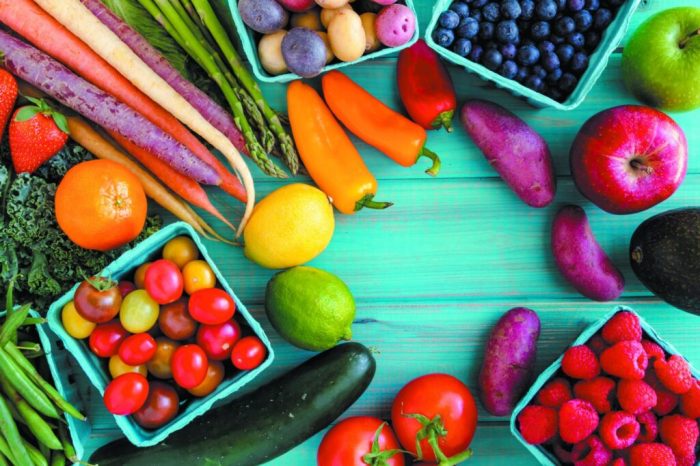
Vegetables play a crucial role not only in our physical health but also in our mental well-being. The connection between vegetable consumption and mental wellness is significant, as certain nutrients found in vegetables can support brain health.
Nutrients Supporting Brain Health
Certain nutrients in vegetables are known to support brain health and contribute to mental wellness. These include:
- Omega-3 fatty acids: Found in leafy greens like spinach and kale, as well as in Brussels sprouts and broccoli, omega-3 fatty acids are essential for brain function and can help improve mood.
- Antioxidants: Vegetables such as bell peppers, carrots, and sweet potatoes are rich in antioxidants like vitamin C and beta-carotene, which can protect brain cells from damage and reduce inflammation in the brain.
- B-vitamins: Vegetables like avocados, peas, and lentils contain B-vitamins such as folate and vitamin B6, which are important for cognitive function and can help reduce the risk of depression.
Vegetables Beneficial for Mental Wellness
When it comes to mental wellness, certain vegetables stand out for their specific benefits:
| Vegetable | Benefits for Mental Wellness |
|---|---|
| Spinach | Rich in magnesium and folate, which can help reduce anxiety and improve mood. |
| Broccoli | Contains vitamin K and choline, which support memory and brain development. |
| Tomatoes | High in lycopene, an antioxidant that may protect against cognitive decline. |
Physical Fitness and Vegetable Consumption
Eating vegetables plays a crucial role in enhancing physical fitness and overall well-being. The nutrients found in vegetables can help improve athletic performance, aid in muscle recovery, and support overall health. Here, we will explore the relationship between vegetable consumption and physical fitness, discussing how incorporating vegetables into your diet can benefit active individuals.
Vegetables for Athletic Performance and Recovery
A diet rich in vegetables can provide essential nutrients that are beneficial for athletic performance and recovery. Here are some examples of vegetables that can help boost your physical fitness:
- Leafy greens like spinach and kale are rich in iron and antioxidants, which can improve oxygen delivery to muscles and reduce inflammation.
- Bell peppers are high in vitamin C, which can help support the immune system and reduce muscle soreness after intense workouts.
- Sweet potatoes are a great source of complex carbohydrates and potassium, which can replenish glycogen stores and aid in muscle recovery.
Vegetable-Rich Meals for Active Individuals
Incorporating vegetables into your meals can be easy and delicious. Here are some vegetable-rich meal ideas for active individuals:
- Grilled chicken and vegetable stir-fry with a variety of colorful veggies like bell peppers, broccoli, and carrots.
- Quinoa salad with mixed greens, cherry tomatoes, cucumbers, and avocado for a nutritious and filling meal.
- Veggie-packed omelette with spinach, mushrooms, tomatoes, and onions for a protein-rich breakfast or post-workout meal.
Preventive Care Through Vegetable-Rich Diet

Incorporating more vegetables into your diet can significantly contribute to preventive care and overall health. Vegetables are packed with essential nutrients, vitamins, and minerals that support a strong immune system and help prevent various diseases.
Role of Antioxidants and Phytonutrients
Antioxidants and phytonutrients found in vegetables play a crucial role in preventing diseases by combating oxidative stress and reducing inflammation in the body. These powerful compounds help protect cells from damage and lower the risk of chronic conditions such as heart disease, cancer, and diabetes.
- Cruciferous vegetables like broccoli, Brussels sprouts, and kale are rich in antioxidants such as vitamin C, E, and beta-carotene, which help reduce the risk of cancer.
- Tomatoes contain lycopene, a potent antioxidant known for its role in reducing the risk of prostate cancer.
- Leafy greens like spinach and Swiss chard are packed with phytonutrients that support eye health and reduce the risk of age-related macular degeneration.
Examples of Vegetables with Preventive Health Benefits
Vegetables such as garlic, onions, and leeks are known for their immune-boosting properties and ability to fight off infections. Bell peppers, rich in vitamin C, help strengthen the immune system and promote healthy skin. Carrots, loaded with beta-carotene, support eye health and reduce the risk of cataracts.
Balancing Diet with Vegetables
Incorporating a variety of vegetables into your diet is crucial for maintaining a balanced and healthy eating plan. Vegetables provide essential nutrients, fiber, and antioxidants that can help support overall well-being.
Guidance on Portion Sizes and Ratios
- Fill half your plate with vegetables: Aim to make vegetables the star of your meal by filling half your plate with a colorful variety.
- Include a variety of colors: Different colored vegetables offer unique health benefits, so try to include a mix of colors in your meals.
- Watch portion sizes: While vegetables are nutritious, it’s important to balance your intake with other food groups to ensure you’re getting a well-rounded diet.
Tips for Creating Well-Rounded Meals
- Pair vegetables with lean proteins: Incorporate vegetables into dishes with lean proteins like chicken, fish, or tofu for a balanced meal.
- Add vegetables to whole grains: Mix vegetables into whole grain dishes like quinoa, brown rice, or whole wheat pasta to boost your fiber intake.
- Experiment with different cooking methods: Roasting, steaming, sautéing, or grilling vegetables can add variety and flavor to your meals.
Regular Exercise and Vegetable Consumption: How To Incorporate More Vegetables Into Your Diet
Regular exercise and a diet rich in vegetables go hand in hand when it comes to maintaining a healthy lifestyle. Vegetables provide essential nutrients that support energy levels for physical activity, making them an excellent addition to pre and post-workout meals.
Supporting Energy Levels for Physical Activity
Vegetables are packed with vitamins, minerals, and antioxidants that help support energy levels needed for exercise. They provide carbohydrates for fuel and aid in muscle recovery and repair, essential for an active lifestyle.
- Leafy greens like spinach and kale are rich in iron, which helps transport oxygen to muscles during exercise, improving endurance.
- Root vegetables such as sweet potatoes are high in complex carbohydrates, providing sustained energy for longer workouts.
- Bell peppers and broccoli are excellent sources of vitamin C, essential for collagen production and muscle repair post-exercise.
Pre and Post-Workout Meals with Vegetables
Including vegetables in your pre and post-workout meals can enhance performance and aid in recovery. Here are examples of balanced meals incorporating vegetables:
- Pre-workout: A smoothie with spinach, banana, and almond milk for a boost of energy, or a quinoa salad with roasted vegetables for sustained energy.
- Post-workout: Grilled chicken with a side of roasted sweet potatoes and steamed broccoli for protein and replenishing glycogen stores.
- Snack: Carrot sticks with hummus or cucumber slices with guacamole for a quick and nutritious energy boost.
The Role of Vegetables in Holistic Wellness
Incorporating vegetables into your diet not only benefits your physical health but also plays a crucial role in promoting holistic wellness. Vegetables are packed with essential nutrients that support overall well-being, including mental and emotional health.
Nutritional Benefits of Vegetables
- Vegetables are rich in vitamins, minerals, and antioxidants that help boost immunity and protect against various diseases.
- Leafy greens like spinach and kale are excellent sources of folate, which is essential for brain health and mood regulation.
- Colorful vegetables like bell peppers and carrots provide phytonutrients that have anti-inflammatory properties, benefiting both physical and mental wellness.
Incorporating Vegetables into Self-Care Routines
- Start your day with a vegetable-packed smoothie or omelette to kickstart your morning with a nutrient boost.
- Include a variety of vegetables in your meals, such as salads, stir-fries, and soups, to ensure you get a diverse range of nutrients.
- Snack on raw veggies with hummus or nut butter for a satisfying and nutritious pick-me-up during the day.
Vegetables for Chronic Disease Management
When it comes to managing chronic diseases, incorporating certain vegetables into your diet can make a significant difference. Vegetables are packed with essential nutrients, antioxidants, and fiber that can help in preventing and managing various health conditions.
Impact of Vegetable-Rich Diets on Chronic Diseases
A diet rich in vegetables has been shown to have a positive impact on chronic diseases such as diabetes, heart disease, and obesity. Vegetables can help regulate blood sugar levels, reduce cholesterol, and support weight management, all of which are crucial for managing these conditions.
Examples of Vegetables for Managing Chronic Diseases
- Leafy greens like spinach and kale are rich in vitamins, minerals, and antioxidants that can help lower the risk of heart disease and improve blood sugar control in diabetes.
- Cruciferous vegetables such as broccoli, Brussels sprouts, and cauliflower contain compounds that have been linked to a reduced risk of cancer and inflammation, which are common in chronic diseases.
- Tomatoes are known for their high lycopene content, which has been associated with a lower risk of heart disease and certain types of cancer.
- Legumes like lentils, chickpeas, and beans are excellent sources of protein, fiber, and complex carbohydrates that can aid in blood sugar management and weight control.
Immunity Boosters Among Vegetables
Vegetables play a crucial role in boosting our immune system by providing essential nutrients that support overall health and well-being.
Vegetables Known for Immune-Boosting Properties
- Spinach: Rich in vitamin C, antioxidants, and beta carotene, spinach helps strengthen the immune system.
- Broccoli: Packed with vitamins A, C, and E, as well as antioxidants, broccoli aids in immune function.
- Bell Peppers: High in vitamin C, bell peppers help protect cells and support immune health.
- Garlic: Known for its antimicrobial properties, garlic can help fight infections and boost immunity.
Nutrients in Vegetables for Immune Function
- Vitamin C: Found in citrus fruits, bell peppers, and leafy greens, vitamin C supports immune cell function and helps fight off infections.
- Vitamin E: Present in spinach, broccoli, and nuts, vitamin E acts as an antioxidant and boosts immune response.
- Beta Carotene: Found in carrots, sweet potatoes, and squash, beta carotene enhances immune function and helps reduce inflammation.
Vegetable-Rich Recipes for Immune Health
- Spinach and Berry Smoothie: Blend spinach, mixed berries, Greek yogurt, and a splash of orange juice for a vitamin-packed immune-boosting drink.
- Garlic Roasted Broccoli: Toss broccoli florets with minced garlic, olive oil, and a sprinkle of Parmesan cheese before roasting for a flavorful immune-boosting side dish.
- Stuffed Bell Peppers: Fill bell peppers with a mixture of quinoa, black beans, tomatoes, and spices for a nutrient-dense meal that supports immune health.
Question Bank
How can I make vegetables more appealing to picky eaters?
Try incorporating vegetables into dishes they already enjoy or experiment with different seasoning and cooking techniques to enhance the flavors.
What are some easy ways to add vegetables to my daily meals?
You can start your day with a vegetable-packed smoothie, add extra veggies to sandwiches or wraps, and include a side salad or roasted vegetables with your main meals.
Are frozen vegetables as nutritious as fresh ones?
Frozen vegetables can be just as nutritious as fresh ones since they are typically frozen at peak freshness, retaining their nutrients.
Can I get enough protein from a plant-based diet rich in vegetables?
Yes, you can meet your protein needs through a plant-based diet by incorporating sources like legumes, tofu, tempeh, and quinoa along with a variety of vegetables.
How can I store vegetables properly to keep them fresh longer?
Store vegetables in the refrigerator in perforated plastic bags or airtight containers to maintain freshness. Some vegetables like onions, potatoes, and tomatoes should be stored in a cool, dark place.


More Stories
Mental Health: A Key to Managing Chronic Diseases
Early Cancer Detection: How Preventive Care Helps
Healthy Eating: Preventing Chronic Diseases