Understanding the Impact of Social Media on Mental Health
Excessive social media use has been shown to have a significant impact on mental health. Constant exposure to social media platforms can lead to feelings of inadequacy, anxiety, and even depression. The curated and often unrealistic portrayals of people’s lives on social media can create a sense of comparison and FOMO (fear of missing out) among users.
Common Mental Health Issues Linked to Social Media Usage
- Social media addiction: Excessive use of social media can lead to addictive behaviors and a decrease in real-life social interactions.
- Body image issues: Constant exposure to edited and filtered images on social media can contribute to negative body image perceptions and low self-esteem.
- Cyberbullying: Social media platforms can be breeding grounds for cyberbullying, leading to increased stress, anxiety, and even suicidal thoughts among victims.
Relationship Between Social Media and Anxiety, Depression, or Self-Esteem
- Anxiety: The constant need for validation and comparison on social media can trigger feelings of anxiety and overwhelm in users.
- Depression: Negative social comparisons and unrealistic portrayals of life on social media can contribute to feelings of depression and loneliness.
- Self-esteem: Social media metrics such as likes and followers can impact users’ self-esteem and self-worth, leading to a constant need for external validation.
Strategies to Limit Social Media’s Impact on Mental Health
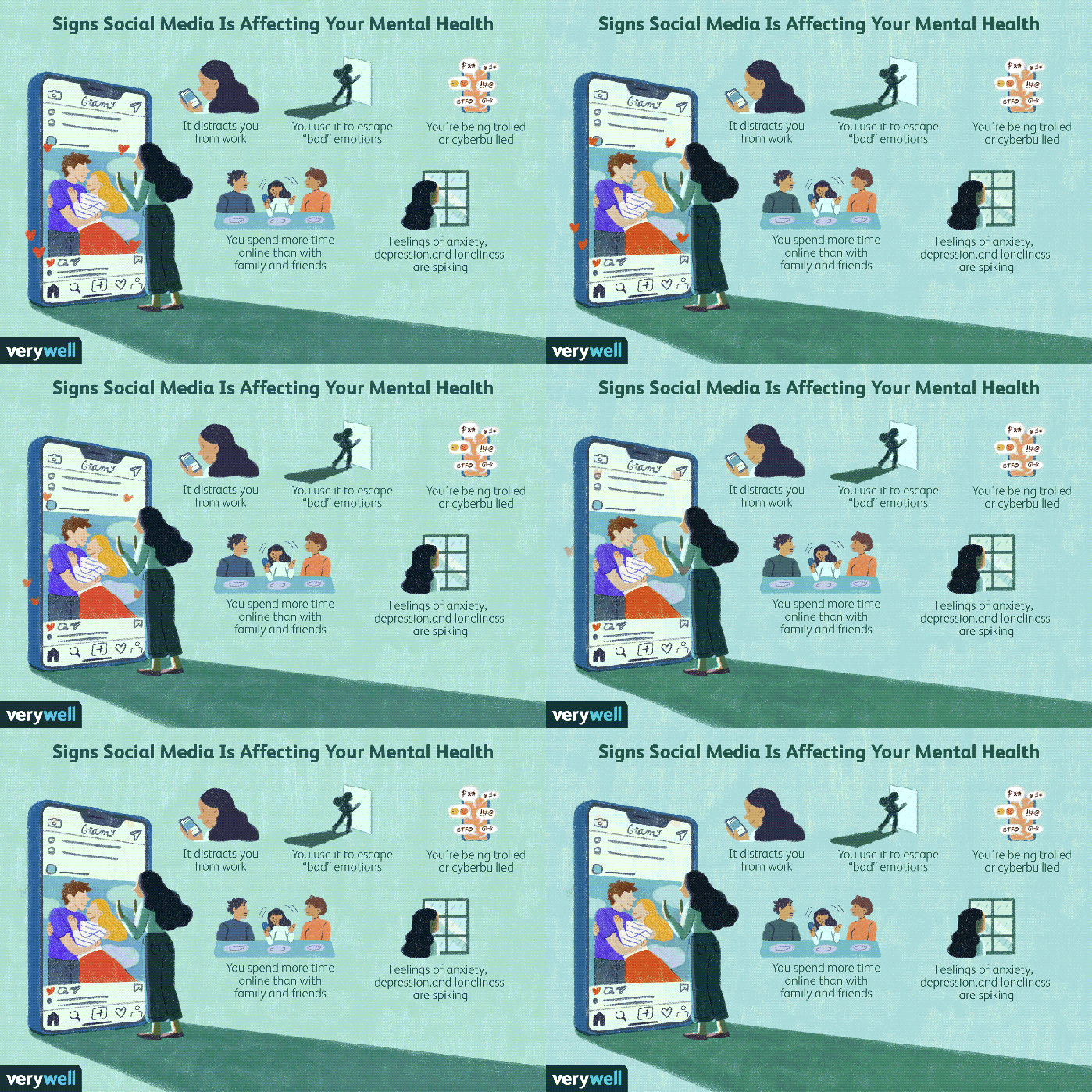
How to reduce social media’s impact on mental health – In today’s digital age, it is crucial to establish boundaries and take proactive steps to reduce the negative impact of social media on mental health.
Tips on Setting Boundaries for Social Media Usage
- Avoid using social media first thing in the morning or right before bed to maintain a healthy balance.
- Set specific time limits for social media usage each day to prevent overindulgence.
- Turn off notifications to minimize distractions and create designated “no-phone zones” in your daily routine.
Ways to Reduce Screen Time and Digital Overload
- Engage in offline activities such as reading, exercising, or spending time with loved ones to reduce screen time.
- Use apps or tools that track and limit your screen time to promote healthier digital habits.
- Practice mindfulness and be present in the moment instead of constantly checking social media feeds.
The Importance of Taking Breaks from Social Media for Mental Well-being
It is essential to prioritize self-care and mental well-being by taking regular breaks from social media.
- Schedule social media detox days where you disconnect completely to recharge and focus on other aspects of your life.
- Engage in activities that promote relaxation and mindfulness, such as meditation, yoga, or spending time in nature.
- Seek support from friends, family, or mental health professionals if you feel overwhelmed by social media’s impact on your mental health.
Promoting Mental Wellness Through Physical Fitness
Regular physical exercise has been proven to have numerous positive effects on mental health. Physical activity helps to reduce symptoms of anxiety and depression, improve mood, boost self-esteem, and enhance cognitive function. The connection between physical fitness and mental well-being is undeniable, making it an essential component of promoting overall mental wellness.
Examples of Physical Activities for Stress and Anxiety Reduction
- Yoga: Combining physical postures, breathing techniques, and meditation, yoga helps to calm the mind and reduce stress levels.
- Running or Jogging: Aerobic exercises like running release endorphins, which are known as “feel-good” hormones that can alleviate symptoms of anxiety.
- Swimming: Engaging in swimming exercises not only provides a full-body workout but also helps to relax the mind and reduce stress.
Connection Between Physical Fitness and Improved Mood/Cognitive Function
Regular physical activity has been linked to improved mood and cognitive function. Exercise increases blood flow to the brain, which helps in the growth of new brain cells and improves overall brain function. Additionally, physical fitness can enhance cognitive abilities such as memory, attention, and problem-solving skills. This demonstrates the significant impact that staying active can have on mental well-being.
Enhancing Mental Health with Healthy Eating Habits
Our diet plays a crucial role in our overall well-being, including our mental health. The food we consume can directly impact our mood, energy levels, and cognitive function.
The Link Between Nutrition and Mental Well-being
Research has shown that certain nutrients can have a significant impact on our mental health. For example, omega-3 fatty acids found in fish can help reduce symptoms of depression and anxiety. Similarly, foods rich in antioxidants, such as fruits and vegetables, can help protect the brain from oxidative stress and inflammation.
Incorporating Mood-Boosting Foods into a Balanced Diet, How to reduce social media’s impact on mental health
- Include whole grains, lean proteins, and healthy fats in your meals to support brain function and stabilize mood.
- Consume foods rich in B vitamins, like leafy greens and legumes, which are essential for neurotransmitter production.
- Add probiotic-rich foods like yogurt and kefir to promote gut health, which is linked to improved mental well-being.
- Stay hydrated by drinking plenty of water throughout the day, as dehydration can affect cognitive function and mood.
Impact of Unhealthy Eating Habits on Mental Health
Poor dietary choices, such as consuming high amounts of processed foods, sugar, and unhealthy fats, can have a negative impact on mental health. These foods can lead to inflammation in the body, disrupt neurotransmitter function, and contribute to mood disorders like depression and anxiety.
Preventive Care for Mental Health
Preventive care in mental health involves taking proactive measures to maintain good mental well-being and prevent the onset of mental health issues.
Early Intervention Strategies
Early intervention strategies are crucial in addressing mental health issues before they escalate. Some effective strategies include:
- Regular mental health check-ups with a therapist or counselor
- Engaging in stress-reducing activities like mindfulness meditation
- Building a strong support system of friends and family
- Seeking help at the first sign of distress or changes in behavior
Preventive Measures for Better Mental Well-being
There are various preventive measures individuals can take to promote better mental well-being. Some examples include:
- Establishing a routine for sleep, exercise, and relaxation
- Limiting exposure to negative news and social media content
- Practicing gratitude and positive affirmations daily
- Eating a balanced diet rich in fruits, vegetables, and whole grains
Boosting Immunity for Holistic Wellness: How To Reduce Social Media’s Impact On Mental Health
Having a strong immune system is not only important for fighting off illnesses but also plays a crucial role in maintaining good mental health. The relationship between immunity and mental wellness is interconnected, as a healthy immune system can help reduce inflammation in the body and support brain function.
Immunity-Boosting Foods and Supplements
- Eat a variety of fruits and vegetables rich in vitamins and antioxidants, such as berries, citrus fruits, leafy greens, and bell peppers.
- Incorporate probiotic-rich foods like yogurt, kefir, and sauerkraut to support gut health, which is linked to immune function.
- Include sources of omega-3 fatty acids, like fatty fish, flaxseeds, and walnuts, to reduce inflammation and support brain health.
- Consider taking vitamin D supplements, especially in the winter months when sunlight exposure is limited, to boost immunity and mood.
Benefits of a Strong Immune System
A strong immune system not only helps the body fight off infections but also plays a key role in overall holistic wellness:
- Reduces the risk of chronic diseases like heart disease, diabetes, and cancer, which can impact mental health.
- Promotes faster recovery from illnesses, reducing stress on the body and mind.
- Supports energy levels and overall vitality, contributing to a positive outlook on life.
FAQ Guide
How can I effectively set boundaries for social media usage?
To set boundaries for social media usage, consider establishing specific time limits for daily usage, turning off notifications, and designating tech-free zones or times during the day.
What are some mood-boosting foods that can enhance mental well-being?
Foods rich in omega-3 fatty acids like salmon, nuts, seeds, and leafy greens can help boost mood and support mental health.
Why is physical exercise important for mental wellness?
Physical exercise releases endorphins, reduces stress hormones, and improves sleep quality, all of which contribute to better mental well-being.


More Stories
Holistic Wellness: A Plan for Mind, Body, & Spirit