Introduction to Planning a Balanced Diet for Athletes
How to plan a balanced diet for athletes – Ensuring athletes maintain a balanced diet is crucial for their overall performance and well-being. The nutrients they consume play a significant role in fueling their bodies for intense physical activities and aiding in recovery.
Importance of a Balanced Diet for Athletes
A balanced diet provides athletes with the necessary nutrients to support their training, optimize performance, and enhance recovery. It helps in maintaining energy levels, building muscle mass, and reducing the risk of injuries.
Nutrition Impact on Athletic Performance
- Proper nutrition enhances endurance, strength, speed, and overall athletic performance.
- Consuming adequate carbohydrates, proteins, healthy fats, vitamins, and minerals can improve stamina and recovery.
- Hydration is also a key factor in maintaining peak performance levels during training and competitions.
Key Components of a Balanced Diet for Athletes
- Adequate carbohydrates for energy production and glycogen replenishment.
- High-quality proteins for muscle repair and growth.
- Healthy fats for hormone production and overall health.
- A variety of fruits and vegetables for essential vitamins, minerals, and antioxidants.
- Adequate hydration to support bodily functions and prevent dehydration.
Nutritional Requirements for Athletes
Proper nutrition is essential for athletes to perform at their best and support their training. Athletes have specific macronutrient needs that differ from those of the general population.
Macronutrient Needs of Athletes
- Athletes require a higher intake of carbohydrates to fuel their training and performance. Carbohydrates are the body’s primary source of energy and are crucial for endurance and high-intensity activities.
- Protein is essential for muscle repair and growth in athletes. It helps in recovery after intense workouts and supports overall muscle health.
- Fats are also important for athletes as they provide a concentrated source of energy. Healthy fats support hormone production and aid in the absorption of fat-soluble vitamins.
Role of Carbohydrates, Proteins, and Fats in an Athlete’s Diet
- Carbohydrates: Provide energy for workouts and replenish glycogen stores in muscles. They are essential for endurance and optimal performance.
- Proteins: Aid in muscle repair and growth, especially after strength training sessions. Athletes should include high-quality protein sources in their diet.
- Fats: Serve as a secondary source of energy, especially during long-duration activities. Healthy fats like omega-3 fatty acids are important for reducing inflammation and supporting overall health.
Importance of Micronutrients and Hydration for Athletes
- Micronutrients, such as vitamins and minerals, play a crucial role in various metabolic processes and overall health. Athletes require adequate intake of micronutrients to support their performance and recovery.
- Hydration is key for athletes to maintain optimal performance and prevent dehydration. Proper fluid intake before, during, and after exercise is essential for regulating body temperature and nutrient transport.
Designing a Meal Plan for Athletes

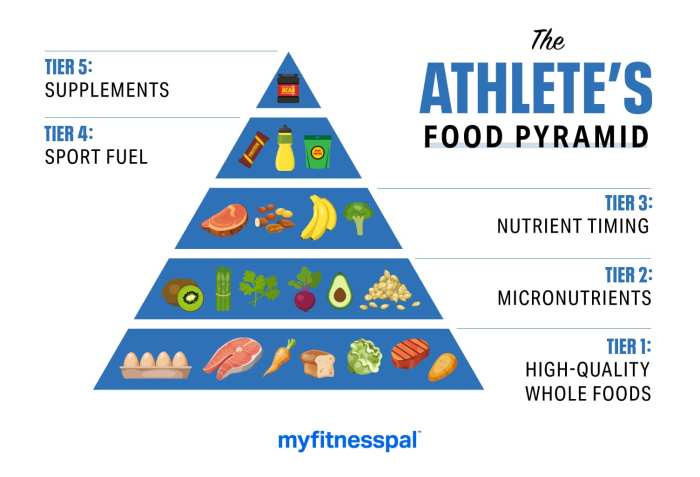
When it comes to designing a meal plan for athletes, it’s crucial to focus on providing the right balance of nutrients to support optimal performance and recovery. This includes choosing the right foods, timing meals appropriately, and ensuring proper meal prep to meet the demands of training and competition.
Pre-Workout and Post-Workout Meals
Before a workout, athletes should aim to consume a meal that is rich in carbohydrates for energy, moderate in protein to support muscle function, and low in fat to aid digestion. Examples of pre-workout meals include oatmeal with fruit, a turkey sandwich on whole grain bread, or a smoothie with yogurt and berries.
After a workout, athletes should focus on replenishing glycogen stores and promoting muscle repair and recovery. A post-workout meal should include a combination of carbohydrates and protein. Examples of post-workout meals include grilled chicken with sweet potatoes and vegetables, a quinoa salad with chickpeas, or a protein shake with banana and almond milk.
Significance of Timing Meals around Training Sessions
Timing meals around training sessions is crucial for optimizing performance and recovery. Eating a balanced meal or snack 2-3 hours before a workout provides the necessary fuel for energy and endurance. Consuming a meal rich in carbohydrates and protein within 30 minutes to an hour after exercise helps to replenish glycogen stores and support muscle recovery.
Tips for Meal Prep and Planning
– Plan ahead: Take the time to plan your meals and snacks for the week to ensure you have the right foods on hand.
– Batch cook: Prepare large batches of grains, proteins, and vegetables to easily assemble balanced meals throughout the week.
– Use containers: Invest in meal prep containers to portion out meals and snacks for easy grab-and-go options.
– Stay hydrated: Don’t forget the importance of staying hydrated by drinking water throughout the day to support performance and recovery.
Supplements for Athletes
Supplements play a crucial role in an athlete’s diet by providing additional nutrients that may be lacking in their regular meals. These supplements are designed to enhance performance, support recovery, and optimize overall health.
Common Supplements for Athletes and Their Benefits
When it comes to supplements for athletes, there are a few key ones that are often recommended due to their proven benefits:
- Protein Powder: Protein is essential for muscle repair and growth, making protein powder a popular choice for athletes looking to increase their protein intake conveniently.
- Creatine: Known for improving strength and power, creatine is commonly used by athletes engaged in high-intensity sports or activities.
- Omega-3 Fatty Acids: These healthy fats support cardiovascular health, reduce inflammation, and aid in recovery, making them beneficial for athletes with rigorous training schedules.
- Vitamin D: Essential for bone health and immune function, vitamin D supplementation is often recommended for athletes who may have limited sun exposure or inadequate dietary intake.
Importance of Consulting a Healthcare Professional
While supplements can offer various benefits, it is crucial for athletes to consult a healthcare professional before incorporating them into their diet. A healthcare provider can assess individual needs, recommend appropriate supplements, and ensure they do not interact with any medications or existing health conditions.
Mental Wellness and Physical Fitness
Maintaining mental wellness is crucial for athletes as it directly impacts their physical performance. A healthy mind contributes to better focus, motivation, and overall well-being, all of which are essential for achieving peak athletic goals.
Connection between Mental Wellness and Physical Performance
There is a strong connection between mental wellness and physical performance in athletes. Stress, anxiety, and other mental health issues can hinder an athlete’s ability to perform at their best. It is important to address these issues to ensure optimal performance.
Strategies for Maintaining Mental Health
- Practice mindfulness techniques such as meditation, deep breathing, and visualization to reduce stress and improve focus.
- Seek support from a mental health professional or counselor to address any underlying issues affecting mental wellness.
- Stay connected with friends, family, and teammates for emotional support and a sense of community.
- Ensure proper rest and recovery to prevent burnout and maintain a healthy balance between training and personal life.
Mindfulness Techniques for Athletes
- Body Scan: Focus on different parts of your body to release tension and improve body awareness.
- Visualization: Imagine yourself achieving your athletic goals to boost confidence and motivation.
- Breath Awareness: Pay attention to your breath to stay present and calm during training or competition.
- Gratitude Practice: Reflect on the things you are grateful for to cultivate a positive mindset and enhance overall well-being.
- A balanced diet rich in essential nutrients such as proteins, carbohydrates, fats, vitamins, and minerals can support the immune system and enhance recovery.
- Proper hydration and adequate intake of antioxidants can help reduce inflammation and oxidative stress, lowering the risk of injuries.
- Consuming foods high in omega-3 fatty acids can promote joint health and reduce the likelihood of joint-related injuries.
- Stay up to date with regular medical check-ups and screenings to monitor overall health status.
- Work closely with nutritionists to design a personalized meal plan that meets your specific dietary needs as an athlete.
- Include a variety of colorful fruits and vegetables in your diet to ensure a broad spectrum of vitamins and minerals intake.
- Get an adequate amount of sleep to support recovery and immune function.
- Engage in regular physical activity and maintain a healthy weight to reduce the risk of chronic diseases.
- Regular Exercise: Engaging in a variety of physical activities helps maintain a healthy weight, strengthen the immune system, and improve cardiovascular health.
- Stress Management: Techniques such as mindfulness, meditation, and yoga can help athletes cope with stress, reducing the risk of developing stress-related diseases.
- Quality Sleep: Adequate rest is essential for recovery, immune function, and overall well-being. Establishing good sleep hygiene practices can prevent a range of chronic conditions.
- Healthy Nutrition: Eating a balanced diet rich in nutrients supports optimal health and reduces the risk of nutritional deficiencies that can lead to chronic diseases.
- Acupuncture: This traditional Chinese therapy can help manage pain, reduce inflammation, and improve recovery.
- Chiropractic Care: Adjustments can enhance joint mobility, alleviate discomfort, and promote better alignment for improved performance.
- Mind-Body Therapies: Practices like tai chi, qigong, and biofeedback can enhance mental focus, reduce stress, and promote relaxation.
- Naturopathic Medicine: Utilizing natural remedies and lifestyle modifications to support the body’s innate healing abilities and prevent disease.
- Citrus fruits like oranges, lemons, and grapefruits, which are high in vitamin C, known for its immune-boosting properties.
- Leafy green vegetables such as spinach, kale, and broccoli, rich in vitamins A, C, and E, as well as antioxidants that support the immune system.
- Probiotic-rich foods like yogurt, kefir, and kimchi, which promote a healthy gut microbiome and strengthen immunity.
- Garlic, ginger, and turmeric, which have anti-inflammatory and antimicrobial properties that can help fight infections.
- Stay hydrated by drinking plenty of water throughout the day to support immune function.
- Get enough quality sleep to allow the body to repair and regenerate, enhancing immune response.
- Manage stress through relaxation techniques like meditation, yoga, or deep breathing exercises to reduce the impact of stress on immunity.
- Engage in regular physical activity to boost circulation, improve immune surveillance, and reduce inflammation.
- Avoid excessive alcohol consumption and smoking, as these habits can weaken the immune system.
Preventive Care and Balanced Diet
Preventive care plays a crucial role in maintaining the overall health of athletes. By taking proactive measures, athletes can reduce the risk of injuries and illnesses, allowing them to perform at their best.
Importance of Preventive Care
It is essential for athletes to prioritize preventive care as it can help in identifying potential health issues early on and taking necessary actions to prevent them from escalating. Regular check-ups, screenings, and consultations with healthcare professionals are key components of preventive care.
Role of Balanced Diet in Preventing Injuries and Illnesses
Tips for Incorporating Preventive Healthcare Practices
Importance of Regular Exercise and Healthy Eating
Regular exercise and healthy eating play a crucial role in the overall well-being and performance of athletes. Let’s delve into the benefits of regular exercise for athletes and how healthy eating complements physical activity for optimal performance.
Benefits of Regular Exercise for Athletes
Regular exercise offers a myriad of benefits for athletes. It helps improve cardiovascular health, build strength and endurance, enhance flexibility, and boost overall performance. Additionally, exercise aids in weight management, reduces the risk of injuries, and promotes mental wellness by reducing stress and anxiety. Some examples of workout routines that athletes can incorporate include strength training, cardio workouts, flexibility exercises, and sports-specific training.
Healthy Eating to Complement Physical Activity
Healthy eating is essential to fuel the body for optimal performance during exercise. Athletes should focus on consuming a balanced diet rich in lean proteins, complex carbohydrates, healthy fats, vitamins, and minerals. Proper nutrition supports muscle recovery, enhances energy levels, improves concentration, and boosts immune function. Meal plans for athletes should include a combination of pre-workout and post-workout meals to maximize performance and recovery.
Examples of Workout Routines and Meal Plans
Athletes can benefit from a combination of aerobic exercises like running, swimming, or cycling, along with strength training exercises such as weightlifting or bodyweight workouts. A sample workout routine may include a mix of cardio and strength training sessions throughout the week. In terms of meal plans, athletes can focus on consuming a variety of nutrient-dense foods such as grilled chicken with quinoa and roasted vegetables for lunch, or a smoothie bowl with fruits, nuts, and seeds for breakfast.
Holistic Wellness and Chronic Diseases: How To Plan A Balanced Diet For Athletes
Holistic wellness in the context of athlete’s health encompasses the interconnectedness of physical, mental, emotional, and spiritual well-being. It focuses on treating the whole person rather than just the symptoms. This approach acknowledges that all aspects of a person’s life are interconnected and affect overall health.
Preventing Chronic Diseases in Athletes, How to plan a balanced diet for athletes
Holistic approaches play a crucial role in preventing chronic diseases in athletes by addressing underlying issues that may contribute to health problems. By promoting balance in all aspects of life, athletes can reduce the risk of developing conditions such as heart disease, diabetes, and obesity.
Examples of Holistic Practices
Holistic practices that support overall well-being in athletes include:
Immunity Boosters for Athletes
Having a strong immune system is crucial for athletes to maintain peak performance and avoid illnesses that can disrupt their training and competition schedules. Incorporating immune-boosting foods into their diets can help athletes stay healthy and resilient.
Identify Immune-Boosting Foods
Some key immune-boosting foods that athletes can include in their diets are:
Impact of Balanced Diet on Immune System
A balanced diet that includes a variety of nutrient-dense foods is essential for maintaining a robust immune system. Nutrients like vitamins A, C, D, E, and zinc play a key role in supporting immune function and reducing the risk of infections. Inadequate nutrition can weaken the immune system and make athletes more susceptible to illnesses.
Tips for Strengthening Immune System
Apart from incorporating immune-boosting foods, athletes can strengthen their immune system through the following nutrition and lifestyle choices:
User Queries
What are some common supplements recommended for athletes?
Common supplements for athletes include protein powders, BCAAs, creatine, and vitamins and minerals.
How important is hydration for athletes?
Hydration is crucial for athletes as it helps regulate body temperature, transport nutrients, and maintain performance during exercise.
Why is mental wellness important for athletic performance?
Mental wellness plays a significant role in athletic performance by influencing focus, motivation, and resilience.
How can athletes strengthen their immune system through nutrition?
Athletes can boost their immune system by consuming immune-boosting foods rich in vitamins and minerals, staying hydrated, and getting adequate rest.


More Stories