How to create a holistic wellness plan for mind, body, and spirit is a journey that empowers you to live a life filled with vitality, purpose, and balance. It’s about recognizing the interconnectedness of your physical, mental, and spiritual well-being, and nurturing each aspect to achieve true harmony.
This plan is not a one-size-fits-all approach, but a personalized roadmap tailored to your unique needs and goals. It’s about embracing practices that align with your values and preferences, setting realistic goals, and celebrating the progress you make along the way.
Understanding Holistic Wellness
Holistic wellness is a comprehensive approach to health and well-being that considers the interconnectedness of the mind, body, and spirit. It recognizes that these three aspects are inseparable and that optimal health is achieved when they are in balance and harmony.
This approach emphasizes a proactive and preventative mindset, aiming to optimize overall well-being rather than just addressing individual symptoms or issues.
The Interconnectedness of Mind, Body, and Spirit
Holistic wellness acknowledges that the mind, body, and spirit are intricately linked and influence each other. When one aspect is out of balance, it can affect the others, creating a ripple effect that impacts overall well-being. For instance, chronic stress can manifest physically as headaches, muscle tension, or digestive problems.
Conversely, physical discomfort can lead to negative thoughts and emotions, creating a vicious cycle. Similarly, spiritual neglect can lead to feelings of emptiness and lack of purpose, impacting both mental and physical health.
Examples of Imbalances and Their Effects
- Stress and Physical Health:Prolonged stress can weaken the immune system, making individuals more susceptible to illnesses. It can also contribute to cardiovascular problems, digestive issues, and sleep disturbances.
- Physical Pain and Mental Health:Chronic pain can lead to depression, anxiety, and feelings of isolation. It can also interfere with sleep, appetite, and daily activities, further impacting mental well-being.
- Spiritual Neglect and Emotional Well-being:Lack of connection to a sense of purpose or meaning can lead to feelings of emptiness, apathy, and lack of motivation. This can negatively impact emotional well-being and lead to feelings of dissatisfaction with life.
Creating a Personalized Plan: How To Create A Holistic Wellness Plan For Mind, Body, And Spirit
A holistic wellness plan is not a one-size-fits-all approach. It is essential to create a plan that aligns with your unique needs, goals, and preferences. This personalized approach ensures that the plan is sustainable and effective in promoting your overall well-being.
Identifying Your Individual Needs and Goals
Understanding your current state and desired future is crucial for creating a personalized plan. This involves introspection and self-assessment to identify areas where you want to improve and establish clear goals for each area of wellness.
- Physical Wellness:Identify your current fitness level, dietary habits, and sleep patterns. Set realistic goals for exercise, nutrition, and sleep. For example, if you are currently inactive, aim for 30 minutes of moderate-intensity exercise most days of the week. If you struggle with sleep, consider establishing a regular sleep schedule and creating a relaxing bedtime routine.
- Mental Wellness:Reflect on your stress levels, mood, and coping mechanisms. Set goals for stress management, mindfulness, and emotional regulation. For example, consider incorporating mindfulness practices like meditation or yoga into your routine. If you are prone to anxiety, explore relaxation techniques such as deep breathing or progressive muscle relaxation.
- Spiritual Wellness:Consider your values, beliefs, and purpose in life. Set goals for connecting with your spirituality, finding meaning, and fostering a sense of purpose. This could involve engaging in practices such as prayer, meditation, or spending time in nature. You might also explore different spiritual traditions or philosophies that resonate with you.
Designing a Plan That Aligns With Your Values and Preferences
Once you have identified your needs and goals, you can start designing a plan that incorporates activities and practices that align with your values and preferences. This ensures that the plan is enjoyable and sustainable.
- Consider your interests and hobbies:If you enjoy dancing, incorporate dance classes into your exercise routine. If you love cooking, explore healthy recipes and experiment with new ingredients. Find ways to integrate your passions into your wellness plan.
- Set realistic expectations:Avoid overwhelming yourself with too many changes at once. Start with small, achievable goals and gradually increase the intensity or frequency as you progress. Celebrate your successes along the way to stay motivated.
- Be flexible and adaptable:Life is unpredictable, and your wellness plan should be adaptable to your changing needs and circumstances. Don’t be afraid to adjust your plan as needed to ensure it remains relevant and effective.
Setting Realistic and Achievable Goals
Setting realistic and achievable goals is essential for success. Avoid setting goals that are too ambitious or difficult to achieve, as this can lead to frustration and discouragement. Instead, focus on making small, incremental changes over time.
“It is not the mountain we conquer but ourselves.”
Edmund Hillary
- Start with small, manageable goals:Instead of aiming to exercise for an hour every day, start with 15 minutes a few times a week. Gradually increase the duration and frequency as you build stamina and motivation.
- Break down large goals into smaller steps:If you want to lose weight, set a goal of losing 1-2 pounds per week. This is a healthy and sustainable rate of weight loss. Break down the goal into smaller steps, such as reducing your calorie intake by 500 calories per day or incorporating 30 minutes of exercise most days of the week.
- Track your progress and celebrate your achievements:Keep a journal or use a fitness tracker to monitor your progress. Celebrate your successes, no matter how small they may seem. This will help you stay motivated and on track.
Physical Wellness
Physical wellness is a crucial component of holistic well-being, encompassing your physical health, fitness, and overall body function. It’s about taking care of your body through regular exercise, a balanced diet, and preventative measures to ensure optimal health and prevent chronic diseases.
The Importance of Exercise
Regular physical activity offers numerous benefits for your physical and mental health.
- Improved cardiovascular health:Exercise strengthens your heart and lungs, lowering your risk of heart disease, stroke, and other cardiovascular problems.
- Weight management:Exercise burns calories and helps you maintain a healthy weight, reducing the risk of obesity-related conditions.
- Increased muscle mass and strength:Exercise builds and maintains muscle mass, improving your strength, balance, and mobility.
- Enhanced bone density:Weight-bearing exercises, such as walking, running, and weightlifting, can help increase bone density, reducing the risk of osteoporosis.
- Improved mood and cognitive function:Exercise releases endorphins, which have mood-boosting effects and can improve cognitive function, memory, and concentration.
- Reduced risk of chronic diseases:Regular physical activity can lower your risk of developing chronic diseases such as type 2 diabetes, certain types of cancer, and arthritis.
Healthy Eating Habits
A balanced diet provides your body with the essential nutrients it needs to function optimally.
- Focus on fruits, vegetables, and whole grains:These foods are rich in vitamins, minerals, and fiber, which are crucial for overall health.
- Choose lean protein sources:Opt for lean meats, poultry, fish, beans, and lentils as sources of protein.
- Limit processed foods, sugary drinks, and unhealthy fats:These foods are high in calories and low in nutrients, and can contribute to weight gain and chronic diseases.
- Stay hydrated:Drink plenty of water throughout the day to keep your body hydrated and functioning properly.
- Cook at home more often:This allows you to control the ingredients and portion sizes of your meals.
Preventive Care
Preventive care plays a vital role in maintaining your physical health and preventing chronic diseases.
- Regular checkups:Schedule regular checkups with your doctor to monitor your overall health and catch any potential problems early.
- Immunizations:Get vaccinated against preventable diseases such as flu, measles, mumps, and rubella.
- Screenings:Participate in recommended screenings for conditions such as high blood pressure, high cholesterol, diabetes, and cancer.
- Lifestyle modifications:Make healthy lifestyle choices, such as quitting smoking, limiting alcohol consumption, and managing stress, to reduce your risk of chronic diseases.
Mental Wellness
Mental wellness is an essential component of holistic well-being, encompassing our emotional, psychological, and social health. It’s about feeling good about yourself, having a positive outlook on life, and being able to cope with the ups and downs of daily life.
Just as we prioritize our physical health, nurturing our mental well-being is crucial for a fulfilling and balanced life.
Mental Health Challenges
Mental health challenges are common and can affect anyone, regardless of age, gender, or background. These challenges can range from mild to severe and can significantly impact a person’s daily life, relationships, and overall well-being. Recognizing and addressing these challenges is essential for promoting mental wellness.
- Anxiety: A feeling of worry, nervousness, or unease, often accompanied by physical symptoms such as rapid heartbeat, sweating, and difficulty breathing.
- Depression: A mood disorder characterized by persistent sadness, loss of interest, and feelings of hopelessness.
- Stress: A state of mental or emotional strain or tension resulting from demanding circumstances.
- Trauma: A deeply distressing or disturbing experience that can have long-lasting psychological effects.
- Insomnia: Difficulty falling asleep or staying asleep.
- Attention-Deficit/Hyperactivity Disorder (ADHD): A neurodevelopmental disorder characterized by inattention, hyperactivity, and impulsivity.
- Obsessive-Compulsive Disorder (OCD): An anxiety disorder characterized by intrusive thoughts and repetitive behaviors.
- Post-Traumatic Stress Disorder (PTSD): A mental health condition that develops after a traumatic event.
Managing Stress, Anxiety, and Depression
Effective stress management is crucial for maintaining mental well-being. Stress can lead to anxiety, depression, and other health problems. Fortunately, there are numerous strategies that can help us manage stress and promote mental resilience.
- Exercise: Regular physical activity releases endorphins, which have mood-boosting effects. It can also help reduce stress hormones.
- Relaxation Techniques: Techniques such as deep breathing, progressive muscle relaxation, and yoga can help calm the mind and body.
- Mindfulness: Paying attention to the present moment without judgment can help reduce stress and anxiety.
- Time Management: Effective time management can reduce feelings of overwhelm and stress.
- Healthy Diet: A balanced diet can provide the nutrients your body needs to function optimally, including mental health.
- Sleep: Getting enough sleep is essential for both physical and mental health.
- Social Connection: Strong social connections can provide support and reduce feelings of loneliness.
- Professional Help: If you’re struggling with stress, anxiety, or depression, seeking professional help from a therapist or counselor can be beneficial.
Mindfulness and Meditation
Mindfulness and meditation practices have gained significant popularity in recent years, and for good reason. These practices have been shown to have numerous benefits for mental well-being.
- Reduced Stress and Anxiety: Mindfulness and meditation help us become more aware of our thoughts and feelings without judgment, allowing us to manage stress and anxiety more effectively.
- Improved Focus and Concentration: These practices can enhance our ability to focus and concentrate, improving our cognitive function.
- Increased Self-Awareness: Mindfulness and meditation help us become more aware of our thoughts, emotions, and bodily sensations, leading to greater self-understanding.
- Enhanced Emotional Regulation: These practices can help us regulate our emotions more effectively, reducing impulsivity and improving our ability to respond to challenging situations in a more balanced way.
Spiritual Wellness
Spiritual wellness is a vital component of holistic well-being, encompassing a sense of purpose, meaning, and connection to something greater than oneself. It involves exploring your values, beliefs, and spirituality, fostering a sense of inner peace and harmony.
Practices and Beliefs for Spiritual Growth
Spiritual practices and beliefs can be diverse and personal, tailored to individual needs and preferences. They often involve activities that promote reflection, connection, and a sense of purpose.
- Meditation and Mindfulness:These practices cultivate awareness, focus, and inner peace, allowing individuals to connect with their inner selves and find a sense of tranquility.
- Prayer and Rituals:Engaging in prayer, rituals, or ceremonies can provide a sense of connection to a higher power or spiritual force, fostering feelings of gratitude, hope, and guidance.
- Nature Connection:Spending time in nature can evoke a sense of awe and wonder, fostering a sense of interconnectedness with the world and promoting feelings of peace and tranquility.
- Creative Expression:Engaging in activities like art, music, or writing can be a powerful means of exploring and expressing spiritual insights, fostering a sense of self-discovery and connection.
- Service to Others:Acts of kindness and compassion towards others can cultivate a sense of purpose and meaning, fostering a sense of connection and belonging.
Integrating Wellness Practices
The true power of a holistic wellness plan lies in its implementation. Integrating these practices into your daily life is crucial to achieving sustainable well-being. Consistency is key, so finding ways to make these practices enjoyable and part of your routine is essential.
Creating a Personalized Schedule
A personalized schedule can help you prioritize and integrate wellness practices into your day. This schedule should be flexible and adaptable to your lifestyle, ensuring that you can maintain it long-term.
- Start by identifying your current daily routine and identifying areas where you can incorporate wellness practices.
- Schedule time for physical activity, mindful moments, healthy meals, and spiritual practices.
- Be realistic and start with small changes, gradually increasing the duration and frequency of your practices.
- Consider using a planner, calendar, or app to help you stay organized and track your progress.
Adapting Your Plan
A successful wellness plan is one that you can maintain. This means being flexible and adapting your plan as needed.
- Life is unpredictable, so be prepared to adjust your schedule as needed.
- If you’re feeling overwhelmed, don’t be afraid to take a break or simplify your plan.
- Listen to your body and mind. If something isn’t working for you, try something else.
- Celebrate your successes and acknowledge your efforts, no matter how small.
Monitoring Progress and Making Adjustments
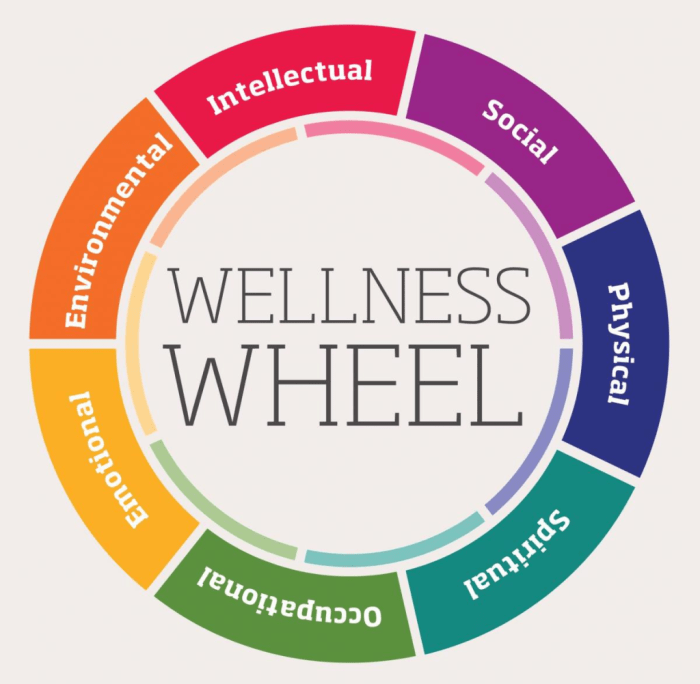
Your holistic wellness plan is a dynamic roadmap, and it’s essential to track your progress and make adjustments along the way. Regularly assessing your plan’s effectiveness allows you to identify what’s working, what needs improvement, and where you might need additional support.
Tracking Your Progress
Tracking your progress helps you stay motivated, identify areas for improvement, and ensure your plan remains aligned with your goals. Here are some methods for tracking your progress:
- Journals and Logs:Keeping a wellness journal allows you to document your daily activities, moods, energy levels, and any challenges you face. This provides valuable insights into your overall well-being.
- Apps and Trackers:Numerous apps and wearable devices are available to track your physical activity, sleep patterns, nutrition, and even mindfulness practices. These tools can provide data-driven insights and encourage consistency.
- Checklists and Goals:Creating checklists for specific goals, such as completing a certain number of workouts per week or meditating for a set amount of time, can help you stay organized and measure your progress.
- Regular Check-ins:Schedule regular check-ins with yourself, perhaps weekly or monthly, to reflect on your progress, identify areas for improvement, and adjust your plan accordingly.
Assessing the Effectiveness of Your Plan
Regularly assessing the effectiveness of your plan is crucial for making necessary adjustments and ensuring it continues to support your holistic well-being. Here’s how you can assess your plan:
- Reflect on Your Goals:Are you making progress toward your goals? If not, consider why and what adjustments you can make.
- Evaluate Your Energy Levels:How do you feel physically, mentally, and emotionally? Are you experiencing more energy, focus, and overall well-being? Or do you feel drained and stressed?
- Observe Your Habits:Have your healthy habits become ingrained in your daily routine? Or are you struggling to maintain consistency?
- Consider External Factors:Are there any external factors, such as work stress or relationship issues, that are impacting your well-being? Addressing these factors may be necessary to optimize your plan.
Making Adjustments and Seeking Guidance
Based on your progress tracking and assessment, you may need to make adjustments to your plan. Here are some common areas for adjustments:
- Intensity and Frequency:You may need to increase or decrease the intensity or frequency of your activities, depending on your progress and energy levels.
- Activities and Practices:Experiment with different activities and practices to find what works best for you. Some activities may be more enjoyable or effective than others.
- Time Management:Adjust your schedule to ensure you have enough time to dedicate to your wellness practices.
- Support Systems:If you’re struggling to maintain your plan, consider seeking support from friends, family, or professionals.
Continuous Learning and Growth, How to create a holistic wellness plan for mind, body, and spirit
Your wellness journey is a lifelong process of continuous learning and growth. Embrace the opportunity to learn about new wellness practices, explore different approaches, and adapt your plan as needed. Stay open to new information, seek guidance from professionals when necessary, and remember that your wellness journey is unique and constantly evolving.
Epilogue
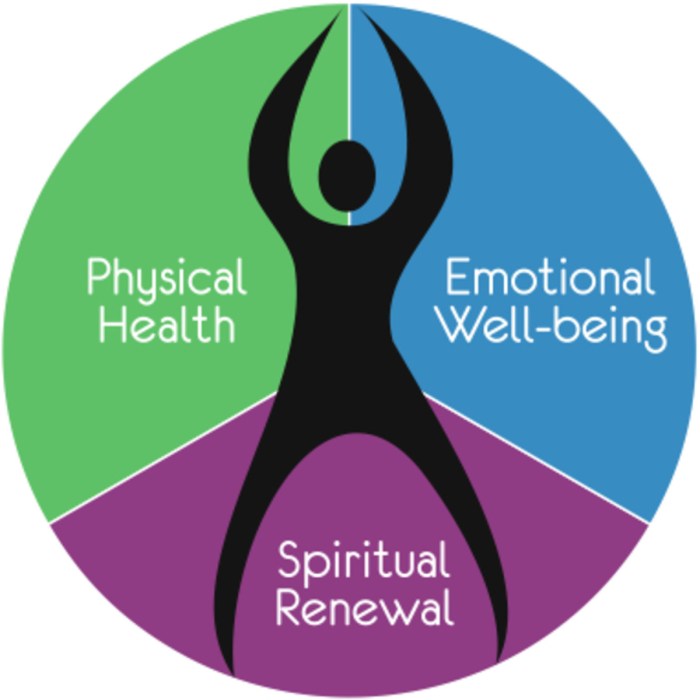
By integrating physical, mental, and spiritual wellness practices into your daily life, you create a foundation for a fulfilling and vibrant existence. Remember, holistic wellness is an ongoing journey of self-discovery and growth, and the rewards of this path are immeasurable.
Commonly Asked Questions
What are some examples of holistic wellness practices?
Holistic wellness practices encompass a wide range of activities, including yoga, meditation, mindfulness, journaling, spending time in nature, healthy eating, regular exercise, and engaging in meaningful relationships.
How often should I review and adjust my wellness plan?
It’s recommended to review and adjust your wellness plan at least every 3-6 months, or whenever you feel like your needs or priorities have shifted.
What if I struggle to maintain a consistent wellness routine?
Start small and gradually incorporate new practices. Be patient with yourself and celebrate even small wins. Don’t be afraid to seek support from friends, family, or professionals.


More Stories
How to reduce social medias impact on mental health by setting boundaries, taking breaks, and incorporating physical fitness and healthy eating habits