Balanced diet guidelines for optimal fitness and muscle gain are crucial for anyone seeking to enhance their athletic performance and build a sculpted physique. A well-structured dietary plan provides the essential nutrients to fuel your workouts, promote muscle growth, and optimize your overall health.
This guide delves into the fundamentals of nutrition, emphasizing the importance of macronutrients, micronutrients, and hydration. We’ll explore calorie intake, protein requirements, and the role of carbohydrates and healthy fats in achieving your fitness goals.
Beyond simply meeting your nutritional needs, we’ll discuss the significance of meal timing, the potential benefits and risks of supplements, and how to tailor your diet for specific fitness objectives. Ultimately, understanding the principles of a balanced diet empowers you to make informed choices that support your journey toward optimal fitness and muscle gain.
Understanding the Fundamentals of a Balanced Diet
A balanced diet is crucial for achieving optimal fitness and muscle gain. It provides your body with the necessary nutrients to fuel your workouts, repair muscle tissue, and support overall health. Understanding the role of macronutrients and micronutrients is essential for creating a diet plan that meets your individual needs.
Macronutrients: The Building Blocks of Fitness
Macronutrients are the energy-providing components of your diet. They include carbohydrates, proteins, and fats. Each plays a vital role in supporting your fitness goals.
- Carbohydratesare your body’s primary energy source. They provide the fuel needed for high-intensity workouts and help replenish glycogen stores in your muscles. Good sources of carbohydrates include whole grains, fruits, vegetables, and legumes.
- Proteinsare essential for building and repairing muscle tissue. They also play a role in hormone production and immune function. Excellent protein sources include lean meats, poultry, fish, eggs, dairy products, and plant-based options like tofu and beans.
- Fatsare crucial for hormone production, cell function, and energy storage. Healthy fats, like those found in avocados, nuts, seeds, and fatty fish, support heart health and can improve athletic performance.
Micronutrients: The Essential Support System
Micronutrients, including vitamins and minerals, are vital for overall health and athletic performance. They support various bodily functions, including energy production, immune function, and muscle recovery.
- Vitaminsare organic compounds that perform specific functions in the body. For example, Vitamin D is essential for calcium absorption, which is crucial for bone health and muscle function. Vitamin C is an antioxidant that helps protect cells from damage and supports immune function.
- Mineralsare inorganic elements that play a role in various bodily processes. Iron is vital for red blood cell production, which carries oxygen to muscles. Magnesium is involved in muscle contraction and relaxation, and potassium is essential for maintaining fluid balance and nerve function.
Food Sources Rich in Macronutrients and Micronutrients
A balanced diet should include a variety of foods from all food groups to ensure you’re getting the necessary nutrients. Here are some examples of foods rich in macronutrients and micronutrients:
- High-Protein Foods:Chicken breast, salmon, Greek yogurt, lentils, quinoa
- High-Carbohydrate Foods:Brown rice, sweet potatoes, oats, bananas, berries
- Healthy Fat Sources:Avocados, nuts (almonds, walnuts), olive oil, fatty fish (salmon, tuna)
- Vitamin-Rich Foods:Citrus fruits (oranges, grapefruits), leafy green vegetables (spinach, kale), bell peppers
- Mineral-Rich Foods:Dairy products (milk, yogurt), leafy green vegetables, beans, nuts, seeds
Calorie Intake and Energy Balance

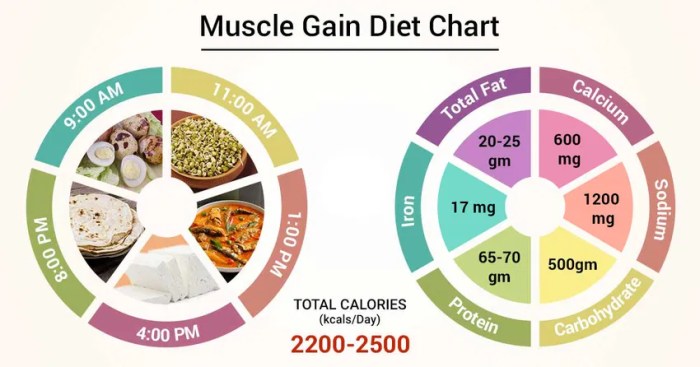
Understanding the relationship between calorie intake and energy expenditure is crucial for achieving optimal fitness and muscle growth. This section explores the concept of calorie balance, its role in weight management and muscle growth, and provides guidelines for calculating individual calorie needs.
Calorie Balance for Weight Management and Muscle Growth
Calorie balance refers to the equilibrium between the calories consumed through food and the calories burned through physical activity and daily living. When calorie intake exceeds energy expenditure, the body stores excess energy as fat, leading to weight gain. Conversely, when energy expenditure surpasses calorie intake, the body utilizes stored energy, leading to weight loss.For muscle growth, a slight calorie surplus is necessary to provide the building blocks for muscle protein synthesis.
This surplus should be moderate to avoid excessive fat storage. Maintaining a calorie balance is crucial for achieving sustainable weight management and supporting muscle growth.
Holistic Wellness and Balanced Diet
A balanced diet is not just about fueling your body for physical activity; it’s a cornerstone of holistic wellness, encompassing your physical, mental, and emotional well-being.
The Interplay of Nutrition and Wellness
A balanced diet plays a crucial role in supporting various aspects of your health. It provides your body with the essential nutrients it needs to function optimally, impacting your physical fitness, mental clarity, and overall well-being.
Nutrition’s Impact on Physical Health, Balanced diet guidelines for optimal fitness and muscle gain
Immune Function
A well-balanced diet rich in fruits, vegetables, and whole grains provides your body with the vitamins, minerals, and antioxidants it needs to maintain a strong immune system. These nutrients help your body fight off infections and maintain a healthy defense against illness.
Chronic Disease Prevention
Studies have consistently shown a strong correlation between a balanced diet and a reduced risk of chronic diseases such as heart disease, stroke, type 2 diabetes, and certain types of cancer. By consuming a diet rich in fruits, vegetables, whole grains, and lean protein, you can lower your risk of developing these conditions.
Healthy Aging
A balanced diet is essential for healthy aging. Adequate intake of protein, calcium, and vitamin D helps maintain bone density, reducing the risk of osteoporosis. Antioxidants found in fruits and vegetables can protect against age-related cell damage, contributing to a healthier and more vibrant later life.
Beyond Nutrition: A Holistic Approach
While a balanced diet is fundamental, a holistic approach to wellness encompasses other essential elements.
- Regular Exercise: Physical activity is crucial for maintaining a healthy weight, improving cardiovascular health, and boosting mood.
- Stress Management: Chronic stress can negatively impact your health. Finding healthy ways to manage stress, such as meditation, yoga, or spending time in nature, is essential for overall well-being.
- Adequate Sleep: Getting enough sleep is vital for physical and mental recovery, hormone regulation, and cognitive function.
Wrap-Up: Balanced Diet Guidelines For Optimal Fitness And Muscle Gain
By embracing the principles Artikeld in this guide, you can embark on a path toward achieving your fitness goals and unlocking your full potential. Remember, a balanced diet is not a temporary fix but a sustainable lifestyle choice that contributes to a healthier and more fulfilling life.
From fueling your workouts to supporting muscle growth and recovery, the right nutrition is your key to unlocking peak performance and achieving your fitness aspirations. Embrace the power of a balanced diet and witness the transformative impact it has on your body and mind.
Essential Questionnaire
What are the best foods for muscle growth?
Lean protein sources like chicken breast, fish, and tofu are excellent for muscle building. Include complex carbohydrates like brown rice, quinoa, and sweet potatoes for sustained energy. Don’t forget healthy fats from avocados, nuts, and seeds.
How much water should I drink daily?
Aim for 8 glasses of water per day, but adjust based on your activity level and climate. During intense workouts, you may need to drink more.
Can I gain muscle without supplements?
Absolutely! A balanced diet with sufficient protein is the foundation for muscle growth. Supplements can be helpful, but they’re not necessary for everyone.
What about cheat meals?
Occasional cheat meals are fine as long as they don’t derail your overall progress. Choose healthy options and enjoy them in moderation.


More Stories